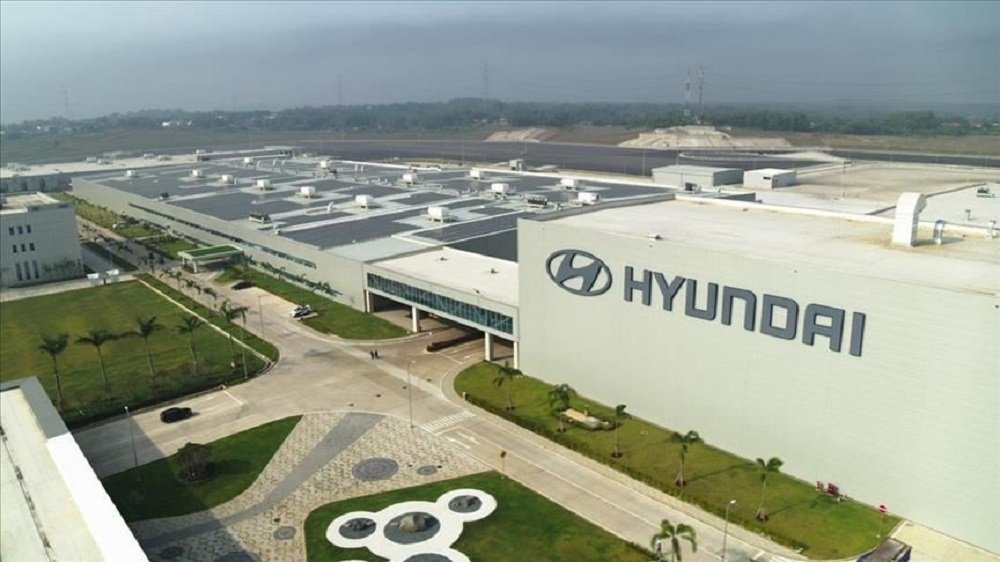
Nigeria, with a GDP of $377.23 billion, the third largest in Africa was ignored by Hyundai, South Korea’s automotive manufacturing company, which has chosen Ghana with a GDP size of $113.5 billion, and placed 10th on the continent, to host its West African factory as the Asian industrial giant deepens its African economic footprint, a move that would strengthen Ghana’s industrial ambitions, positioning it as a regional manufacturing hub.
Ghana is also to host a new university to be built by South Korea as part of a new wave of cooperation between the West African country and the Asian counterpart.
The agreements for the two multi-million-dollar investments were announced after the 2026 Korea-Africa Foreign Ministers’ meeting in Seoul.
Both countries are also pursuing partnerships in artificial intelligence, energy, critical minerals, and agricultural technology.
Economic analysts say the initiatives are set to strengthen Ghana’s industrialisation agenda, create jobs, and position the country as a regional manufacturing hub.
While Nigeria was left out of the South Korea factory investment, the country’s automotive sector will receive marginal boost from Aliko Dangote’s Peugeot venture, in which he is seeking to revive local vehicle manufacturing in the country after years of industry decline.
The announcement was made by Ghana’s foreign affairs minister, Samuel Okudzeto Ablakwa, following the 2026 Korea-Africa foreign ministers’ meeting in Seoul, which he co-chaired with South Korean foreign minister Cho Hyun.
The planned Hyundai facility is expected to service the West African market, potentially boosting local vehicle production, creating jobs, and attracting new investment into Ghana’s growing industrial sector.
Ablakwa, the Ghanaian foreign affairs minister said in a statement after the meeting: “This year, our two countries will open a new university in Ghana; establish a West Africa Hyundai Automotive Manufacturing Plant in Ghana, and launch new solar irrigation systems”.
These headline projects are coming at a time most African governments are increasingly sourcing foreign partnerships that produce
manufacturing capacity, technology transfer, and employment opportunities rather than relying solely on raw commodity exports.
The Ghanaian foreign affairs minister also announced that his country and South Korea have agreed to extend cooperation in such sectors as artificial intelligence, energy, critical minerals, and industries that are becoming increasingly important in the global race for technological and green-energy leadership.
According to Ablakwa, discussions centred on building a partnership focused on industrialisation, value addition, job creation, and improving Africa’s returns from international economic engagement.
He noted that African leaders are under growing pressure to create jobs for the continent’s rapidly expanding youth population, making industrial development a top policy priority across many countries.
South Korea rose from a developing economy in the 1960s to one of the world’s leading manufacturing and technology powers, posting today a GDP size of $1.8 trillion, ranking it as the 13th largest economy in the world. The Asian giant has become increasingly attractive to African nations seeking to accelerate economic transformation.
Development economists say the Hyundai project and new university could become for Ghana early tests of how deeper partnerships with Asian economies like South Korea can help transform industrial ambitions into tangible long-term economic growth, jobs, and skills development.
For now, the two countries are extending bilateral talks on a broader visa waiver agreement, with arrangements for diplomatic and service passport holders already secured. Also, discussions are continuing to extend visa-free travel to all passport categories.
Next year, Ghana and South Korea will celebrate 50 years of diplomatic relations, with the latest agreements adding impetus to a relationship that is set to reach an important milestone.