Indomie maker Dufil rides packaged food boom to N528.8bn H1 revenue

Onome Amuge

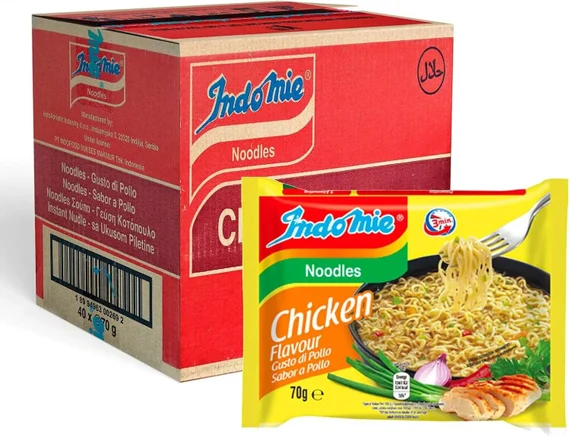
Dufil Prima Foods Limited, Nigeria’s dominant noodles manufacturer and producer of the Indomie brand, has reported revenues of N528.8 billion for the six months to 30 June 2025, as rebounding volumes and wider market reach drove growth across its packaged foods portfolio.

The result underscores the resilience of one of Nigeria’s largest consumer goods companies, which has continued to expand despite inflationary pressures and volatility in foreign exchange markets. In the 2024 financial year, the company grew revenues by 61.7 per cent to N810 billion, consolidating its position as the country’s largest noodles producer with a market share above 60 per cent.

Analysts say Dufil’s growth reflects a combination of entrenched customer loyalty, aggressive promotional strategies, and an extensive distribution network that has expanded its footprint beyond Nigeria into the wider West African market. The company’s portfolio remains heavily weighted towards instant noodles (Indomie), which account for over 60 per cent of gross revenue, though management has signalled plans to broaden income streams through diversification and backward integration.

Dufil also stated that it is nearing completion of a soya oil processing plant, while also investing in additional capacity at its flour and noodles facilities. These projects are intended to strengthen supply chain security, reduce reliance on imports, and improve the group’s revenue mix over the medium term.
Despite the healthy top-line performance, profitability has come under pressure. The company’s earnings before interest, tax, depreciation and amortisation (EBITDA) margin narrowed to 11.4 per cent in 2024 and fell further to 10.4 per cent in the first half of 2025. Rising input costs, driven by naira weakness and persistent inflation, have eroded operating margins even as sales volumes recover.

Leverage has also increased. Gross debt stood at N163.6bn in 2024 following new credit drawdowns, with foreign currency obligations making up 50 per cent of borrowings as of June 2025, up from 34 per cent at the end of last year. The shift has heightened exposure to exchange rate swings at a time when the naira remains under pressure.

The company held N38.2 billion in cash at mid-year, though this included N23.2 billion in restricted balances, leaving it with less flexibility to manage funding needs.

Founded in 2001 in Port Harcourt, Rivers State, and restructured in 2008 into a holding company, Dufil has grown into a cornerstone of Nigeria’s fast-moving consumer goods sector. Its dominance in noodles, coupled with growing presence in other food segments, has given it a strong base from which to expand regionally.

Industry observers note that while Dufil’s scale, brand equity and distribution muscle remain formidable strengths, its medium-term performance will hinge on its ability to manage input cost volatility, execute diversification plans, and reduce reliance on foreign currency debt.

For now, the company continues to ride strong demand from Nigerian households for affordable packaged foods, a trend that has helped offset economic headwinds and kept Indomie a household name across the region.


Leave a Comment

Indomie maker Dufil rides packaged food boom to N528.8bn H1 revenue

Onome Amuge

Dufil Prima Foods Limited, Nigeria’s dominant noodles manufacturer and producer of the Indomie brand, has reported revenues of N528.8 billion for the six months to 30 June 2025, as rebounding volumes and wider market reach drove growth across its packaged foods portfolio.

The result underscores the resilience of one of Nigeria’s largest consumer goods companies, which has continued to expand despite inflationary pressures and volatility in foreign exchange markets. In the 2024 financial year, the company grew revenues by 61.7 per cent to N810 billion, consolidating its position as the country’s largest noodles producer with a market share above 60 per cent.

Analysts say Dufil’s growth reflects a combination of entrenched customer loyalty, aggressive promotional strategies, and an extensive distribution network that has expanded its footprint beyond Nigeria into the wider West African market. The company’s portfolio remains heavily weighted towards instant noodles (Indomie), which account for over 60 per cent of gross revenue, though management has signalled plans to broaden income streams through diversification and backward integration.

Dufil also stated that it is nearing completion of a soya oil processing plant, while also investing in additional capacity at its flour and noodles facilities. These projects are intended to strengthen supply chain security, reduce reliance on imports, and improve the group’s revenue mix over the medium term.

Despite the healthy top-line performance, profitability has come under pressure. The company’s earnings before interest, tax, depreciation and amortisation (EBITDA) margin narrowed to 11.4 per cent in 2024 and fell further to 10.4 per cent in the first half of 2025. Rising input costs, driven by naira weakness and persistent inflation, have eroded operating margins even as sales volumes recover.

Leverage has also increased. Gross debt stood at N163.6bn in 2024 following new credit drawdowns, with foreign currency obligations making up 50 per cent of borrowings as of June 2025, up from 34 per cent at the end of last year. The shift has heightened exposure to exchange rate swings at a time when the naira remains under pressure.

The company held N38.2 billion in cash at mid-year, though this included N23.2 billion in restricted balances, leaving it with less flexibility to manage funding needs.

Founded in 2001 in Port Harcourt, Rivers State, and restructured in 2008 into a holding company, Dufil has grown into a cornerstone of Nigeria’s fast-moving consumer goods sector. Its dominance in noodles, coupled with growing presence in other food segments, has given it a strong base from which to expand regionally.

Industry observers note that while Dufil’s scale, brand equity and distribution muscle remain formidable strengths, its medium-term performance will hinge on its ability to manage input cost volatility, execute diversification plans, and reduce reliance on foreign currency debt.

For now, the company continues to ride strong demand from Nigerian households for affordable packaged foods, a trend that has helped offset economic headwinds and kept Indomie a household name across the region.

[quads id=1]

Get Copy

Leave a Comment