Nigeria’s insurance regulator has renewed calls for stronger public awareness and wider adoption of insurance products, arguing that deeper insurance penetration is essential for protecting livelihoods, strengthening businesses, and supporting sustainable economic growth.
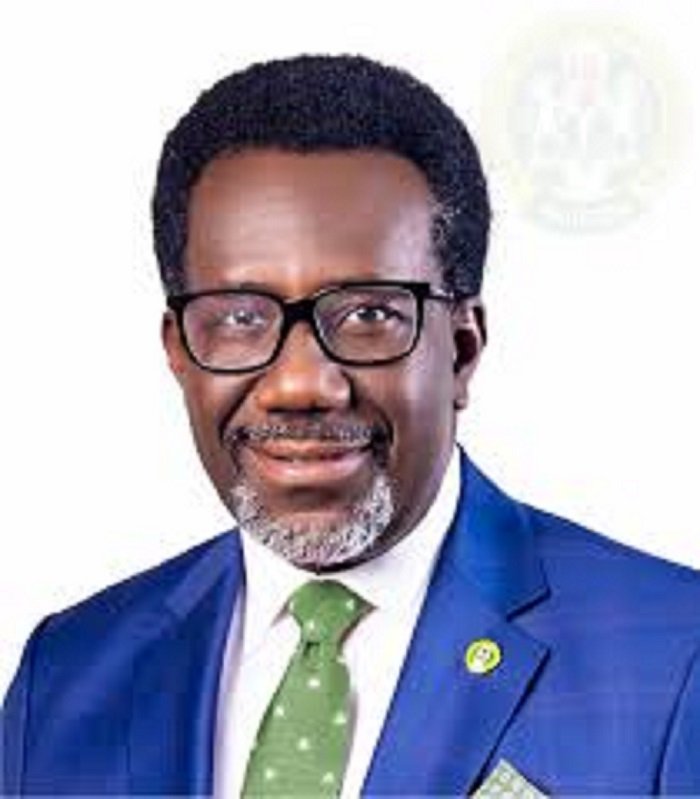
Speaking during the 2026 Chief Executive Officers’ Retreat of the Nigerian Council of Registered Insurance Brokers (NCRIB) and the launch of the council’s Insurance Awareness and Penetration Initiative in Umuahia, Abia State, Olusegun Ayo Omosehin, the commissioner for insurance and chief executive officer of the National Insurance Commission (NAICOM), said the industry’s future growth depends largely on its ability to win public trust and improve understanding of insurance among Nigerians.
He noted that despite the critical role insurance plays in managing risks and cushioning financial losses, many individuals and businesses remain underserved due to limited awareness of available products and benefits.
According to him, efforts aimed at educating the public on insurance have become increasingly important at a time when households and businesses face growing economic uncertainties and operational risks.
Omosehin commended the Abia State Government for supporting the awareness campaign, describing the partnership as evidence of the state’s commitment to promoting economic stability and social protection for its residents.
He also praised the Nigerian Council of Registered Insurance Brokers for selecting Abia as the pilot location for the initiative, noting that the state’s vibrant commercial environment, entrepreneurial culture and expanding manufacturing base make it an ideal setting for driving insurance education.
Omosehin stressed that insurance should be seen not merely as a financial product but as a critical safety net that enables individuals, businesses and governments to recover from unexpected setbacks. He said effective insurance coverage provides confidence and security, allowing economic activities to continue even after disruptive events.
He explained that broader insurance awareness would encourage traders, artisans, transport operators, farmers, property owners and small-scale entrepreneurs to protect themselves against risks ranging from accidents and theft to fire outbreaks, illness and business interruptions.
Highlighting the economic significance of insurance literacy, Omosehin said informed citizens are better equipped to make sound financial decisions, while protected businesses are more likely to withstand periods of crisis and uncertainty. He added that effective risk management also contributes to improved investor confidence and economic development.
The commissioner reiterated NAICOM’s commitment to building an inclusive insurance sector capable of serving Nigerians across all income levels and occupations. He maintained that insurance should no longer be perceived as a service reserved for large corporations and government institutions, but rather as an essential financial tool accessible to ordinary citizens, including students, professionals, farmers, transport workers and market traders.
To achieve meaningful penetration, he urged stakeholders to extend awareness campaigns beyond conferences and formal engagements, taking insurance education directly to markets, schools, religious centres, transport hubs, trade associations and local communities through practical and culturally relevant communication strategies.
Omosehin further acknowledged the role of insurance brokers in bridging the knowledge gap between insurers and the public, describing them as trusted advisers whose expertise remains critical to expanding insurance uptake across the country.
He also underscored the importance of industry-wide collaboration, saying stakeholders must work collectively under the “One Insurance Industry” framework to improve public confidence and accelerate sector growth.
As part of efforts to deepen insurance adoption, the NAICOM CEO called for stronger cooperation between state governments and industry operators. He encouraged the Abia State Government to explore greater enforcement of compulsory insurance policies, including motor third-party insurance, while also extending protection to public infrastructure, markets and other strategic assets.
According to him, critical facilities such as hospitals, fuel stations, gas plants, tankers and power installations require adequate insurance coverage to safeguard investments and minimise the financial impact of unforeseen events.
He also advocated the incorporation of insurance protection into government-backed credit schemes and poverty reduction programmes, arguing that such measures would help preserve investments, protect beneficiaries and enhance business continuity.
Looking ahead, Omosehin said the effectiveness of the NCRIB awareness campaign would ultimately be reflected in higher insurance literacy levels, improved risk-management culture and increased participation in insurance across communities.