Ben Eguzozie
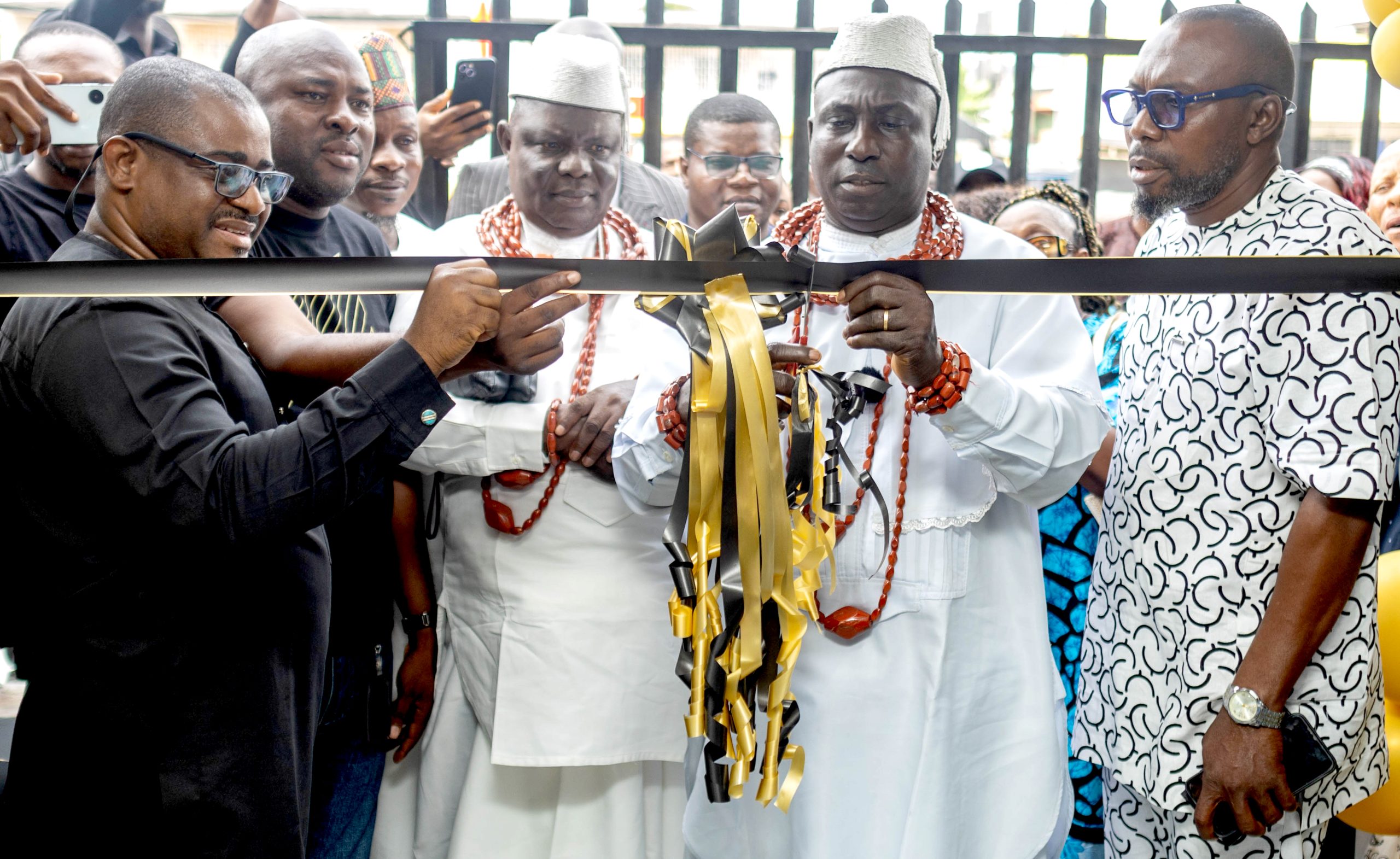
Nasarawa, Nigeria’s north-central state, with a subnational GDP of $4.6 billion (2021) has received a foreign investment worth $400 million from Hasetins Commodities, which will build a refinery for rare earth and critical minerals.
The plant, which is believed to be the largest plant in rare earth and critical minerals, has potentials to create over 10,000 jobs when fully operational.
Governor Abdullahi Sule of Nasarawa State said the state government was well motivate to provide the enabling business environment for the plant, noting that the state is the direct beneficiary of the refinery.
Nasarawa is among the states in Nigeria with the lowest capital inflows. With a monetary poverty rate of 42.6 percent in 2019 to 66 percent multidimensional poverty in 2022, the state faces challenges including poor infrastructure, socio-economic impacts of violent conflicts, and high rates of child malnutrition.
Governor Sule informed that his government was putting efforts to improve social inclusion, develop the rural sector, and promote economic prosperity through targeted Nasarawa Economic Development Strategy (NEDS).
Though the state’s internally generated revenue (IGR) grew from N14.53 billion in 2019 to N20.67 billion by 2021, ranking as the 19th state with the most generated internal revenue in 2021, and the 7th largest per capita out of 36 states, in 2021, a significant part of the revenue still comes from the Federal Accounts Allocation Committee (FAAC) payout. The state remains one of the highly dependent poor states. Till date, not much has changed.
Development economists describe this situation as unhealthy, exposing the state to volatility risks frequently associated with crude oil prices, which regrettably make up a considerable chunk of Nigerian
revenue.
According to Governor Sule, the establishment of the plant will promote skills transfer and boost the contributions of the solid minerals sector to the economy. He stressed that it will also play a significant milestone in efforts to spur investor confidence in the mining sector.
He commended the project funders Hasetins Commodities Limited for keying into the value addition campaign, confirming that mineral processing is the strategy to take the jobless from the streets.
Jidayi Ijudigal, managing sirector and chief executive officer of Hasetins Commodities Ltd, said the company has observed the introduction of mining marshals to combat illegal mining and reforms that have simplified the licensing process.
“These efforts have directly influenced our decision to invest heavily in this project. Beyond this flagship plant, we are also establishing regional separation plants and empowering local communities and miners,” Ijudigal said.
He noted that the company’s model ensures early-stage beneficiation by pre- separating metals locally, generating immediate income for artisanal miners. “The initiative also includes training, provision of protective equipment, and broader community engagement”.
The director of corporate affairs of Hasetins, Peter Butt, emphasised that the country’s recent strong emphasis on local value addition reinforced the company’s decision to invest in sustainable, community-driven development.