Oluwadara Omiyale
Australian carrier Qantas is advancing plans to introduce what is expected to become the world’s longest non-stop commercial passenger flight, with a proposed Sydney–London service targeted for launch in 2027.
The ultra-long-haul route, which forms part of the airline’s long-term Project Sunrise initiative, is designed to significantly reshape global air travel by removing the need for stopovers on one of the busiest intercontinental corridors linking Europe and the Asia-Pacific region.
If successfully launched, the service is expected to operate for up to 21 hours nonstop, connecting Australia directly with the United Kingdom and bypassing traditional transit hubs in the Middle East and Asia that currently serve as connecting points for passengers on the route.
For decades, travellers moving between Sydney and London have relied on connecting flights through hubs such as Dubai, Doha, Singapore and other major transit cities. The proposed direct service is expected to reduce overall journey time and simplify long-haul travel logistics for both business and leisure passengers.
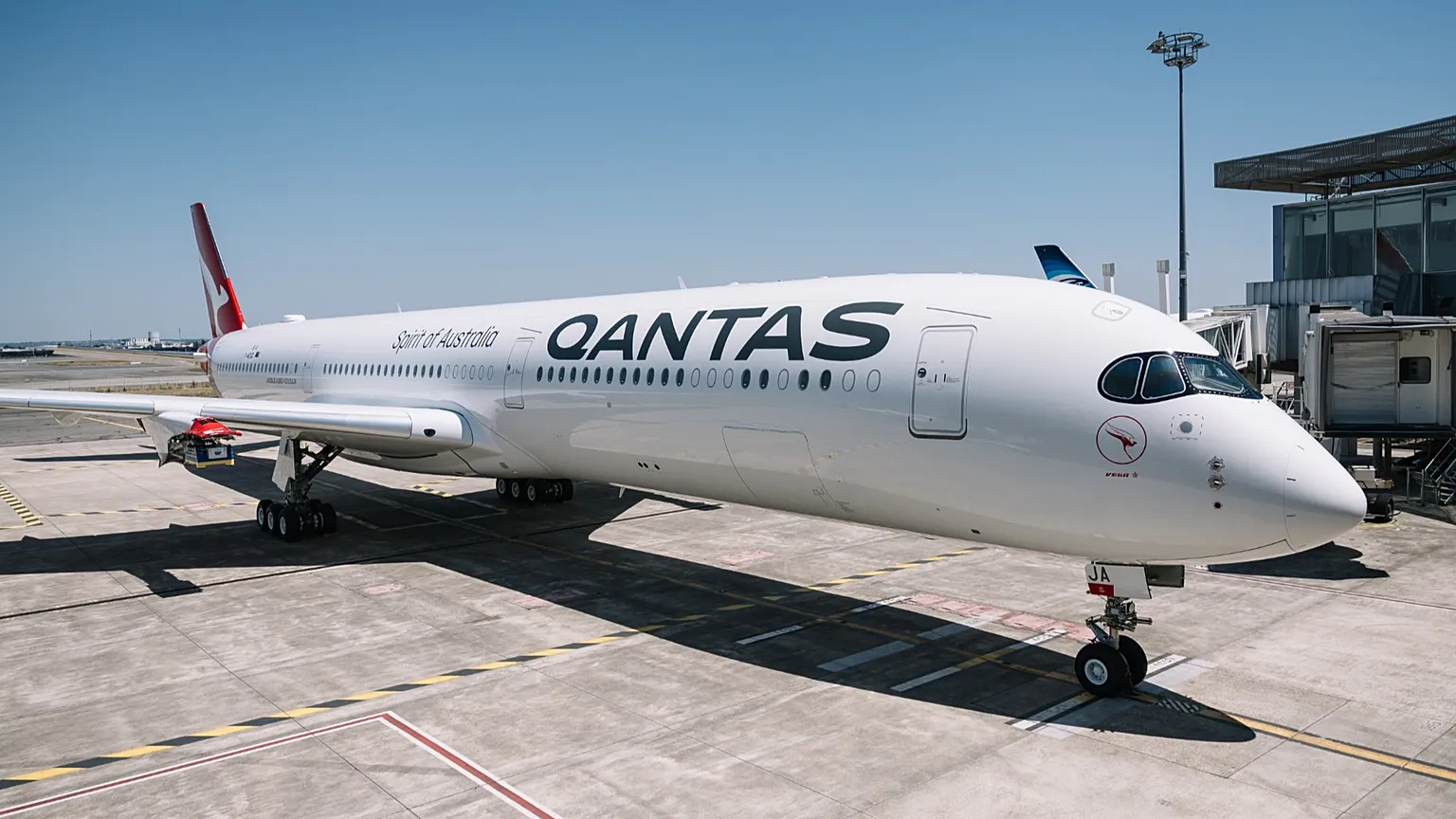
Qantas plans to deploy specially configured Airbus A350 aircraft for the operation, with modifications specifically designed for ultra-long-distance travel. These include enhanced cabin layout, improved seating ergonomics, and onboard wellness features aimed at reducing fatigue and supporting passenger comfort during extended flight durations.
One of the key innovations expected on the aircraft is a cabin environment designed to help manage circadian rhythm disruption, a major concern for passengers on flights exceeding 15 hours. Lighting systems, seat design, and movement space are all expected to be adjusted to improve rest quality and reduce health-related discomfort such as deep vein thrombosis risk.
The development also carries some implications for global aviation networks, particularly for airlines operating major transit hubs. If ultra-long-haul services become more common, traditional connecting hubs may see gradual changes in passenger flow patterns over time, the project remains one of the most ambitious long-haul aviation developments currently under consideration in the global airline industry.
Aviation experts say that the success of the project will depend heavily on aircraft performance, fuel efficiency, passenger demand and operational sustainability over extremely long flight durations.