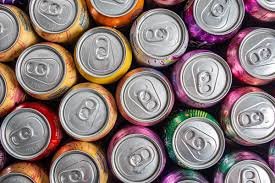
A new report on American soft drink consumption reveals that South Dakota is officially the most soda-addicted state in the country, with residents guzzling an average of nearly 200 litres of sugary beverages each year.
The study, conducted by Instant Hydration, ranked all 50 U.S. states according to a “Soda Addiction Score,” a metric that combines per capita beverage intake, daily soda consumption, and online searches for soda-related terms. Higher scores indicate stronger reliance on fizzy drinks.
South Dakotans consume 194 litres annually, and 72.5 per cent of the state’s population drinks soda daily. Their favourite beverage? Kool-Aid, followed by Mountain Dew. While Coca-Cola and Dr Pepper remain the dominant choices nationally, South Dakota’s affinity for Kool-Aid underscores a distinct regional taste.
Close behind are Kentucky and Arkansas. In Kentucky, 67 per cent of residents drink soda daily, averaging 173 litres a year, with Coca-Cola and Mountain Dew leading preferences. Arkansas shows the highest proportion of daily soda drinkers at 74 per cent, consuming an average of 154 litres annually, primarily Coca-Cola and Dr Pepper.
The study highlights a regional trend, showing the Midwest dominates the top 10 most soda-addicted states. Other states making the list include North Dakota, Missouri, Nebraska, Indiana, Georgia, South Carolina, and Kansas.
North Dakota, for example, averages 191 litres per person, with nearly 60 per cent of residents drinking soda every day and showing strong online interest in soft drink choices. Missouri tops annual intake at 196 litres, while more than half of the population consumes soda daily. Nebraska and Kansas also feature heavily in per capita consumption and online search metrics.
Experts warn that these consumption patterns have significant public health implications. A nutrition specialist at Instant Hydration commented:
“The states drinking the most sugary beverages are often the same ones dealing with higher rates of diabetes and obesity. That connection isn’t a coincidence. Every extra soda adds calories with no nutritional value, and when it becomes a daily habit, the health effects add up over time.”