Onome Amuge
President Bola Ahmed Tinubu has praised the rapid growth of Nigeria’s capital markets during his two years in office, describing the rise in market capitalisation and trading activity as evidence of renewed investor confidence in his government’s economic reforms.
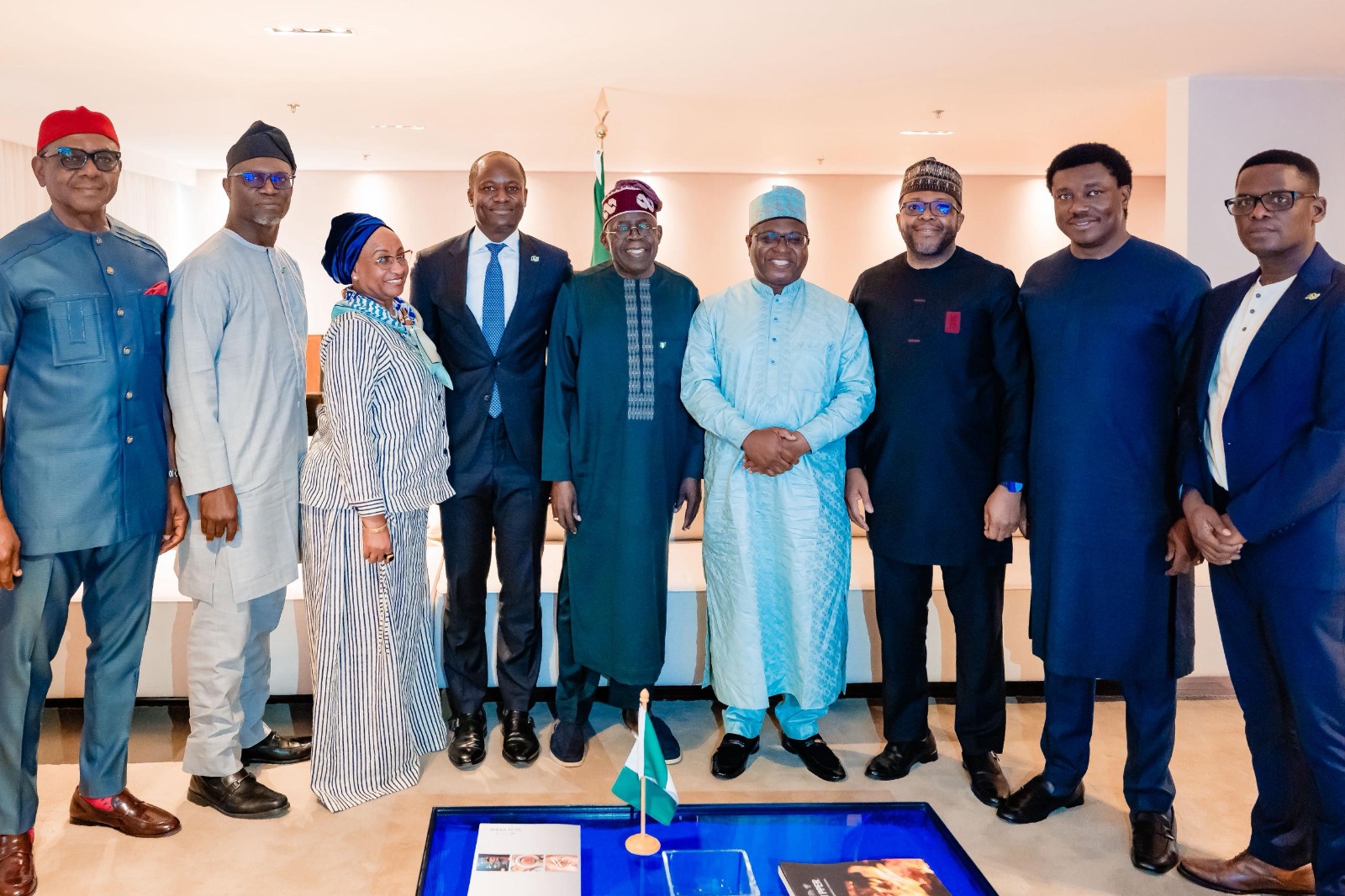
Speaking on Tuesday in São Paulo during a state visit to Brazil, Tinubu told a delegation from the Securities and Exchange Commission (SEC) and the Nigerian Exchange Group (NGX) that his administration was committed to building a financial system capable of mobilising capital at scale and strengthening Nigeria’s appeal as Africa’s premier investment destination.
“Nigeria’s markets must be a trusted engine of enterprise and prosperity. My government will continue to pursue reforms that unlock capital, protect investors, and drive innovation, so that our economy works for every Nigerian,” Tinubu said.
The president’s remarks follow a period of pronounced expansion in Nigeria’s capital markets, driven by reforms aimed at stabilising the naira, restoring fiscal discipline and improving regulatory oversight. Since mid-2023, equity market values have nearly tripled, according to NGX data, while foreign portfolio inflows have returned after several years of volatility.
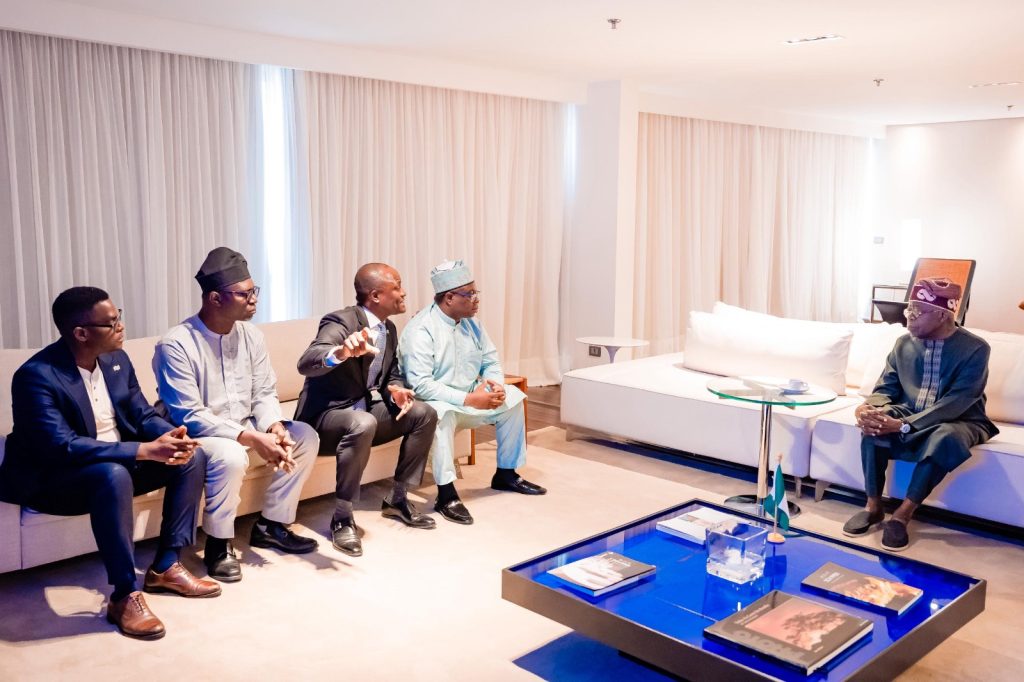
The Tinubu administration is seen to have made capital market development a central plank of the Renewed Hope Agenda, alongside currency liberalisation, subsidy reforms and fiscal consolidation. The Nigerian president told the SEC and NGX leadership that further reforms were under consideration, including measures to deepen liquidity, attract institutional investors and broaden retail participation through digital platforms.
Umaru Kwairanga, chairman of NGX Group, noted that trading volumes and market values had expanded sharply since the administration took office. “This performance reflects both the resilience of Nigerian investors and the confidence international capital is beginning to show in our markets again,” he said.
Kwairanga urged the government to accelerate the long-mooted listing of major state-owned enterprises such as NNPC Limited, arguing that privatisations and strategic listings could unlock billions of dollars in new capital inflows. He also pressed for targeted tax incentives to sustain investor momentum.
Regulators have meanwhile moved to modernise Nigeria’s legal framework for capital markets. SEC director-general Emomotimi Agama pointed to the enactment of the Investment and Securities Act (ISA) 2025, describing it as one of the most comprehensive pieces of capital markets legislation in Africa.
Agama said the new law was designed to propel Nigeria towards a N300 trillion market capitalisation target, while providing robust investor protections and greater regulatory clarity. “The Act sends a strong signal that Nigeria is serious about building markets that are deep, transparent and globally competitive,” he said.

Temi Popoola, chief executive of NGX Group, said the exchange was positioning itself as a global investment hub through stronger partnerships, modernised market infrastructure and product innovation. He emphasised the importance of digital channels in widening participation and improving retail access.
“Expanding retail investor participation is critical for sustainable growth. If more Nigerians can directly benefit from market growth, it will not only strengthen domestic capital formation but also democratise wealth creation,” Popoola said.
Nonso Okpala, a director of NGX Group, highlighted exchange rate stability and improved macroeconomic predictability under Tinubu’s government as key drivers of recent investor enthusiasm. He encouraged more Nigerian corporates to list on the exchange, describing public markets as an essential pathway to unlocking domestic wealth and improving governance standards.
The upbeat tone reflects growing optimism around Nigeria’s financial reforms, though analysts caution that structural risks remain. Inflation, which remains well above 20 per cent, continues to erode real returns, while liquidity in the foreign exchange market has not fully normalised.
International investors remain watchful of Nigeria’s sovereign debt trajectory, with external borrowing still critical to financing budget deficits. Domestic business leaders also highlight lingering challenges around taxation, infrastructure and energy supply, which they say could blunt the effectiveness of capital market reforms.