$500bn potential seen in commodities exchanges, warehousing systems

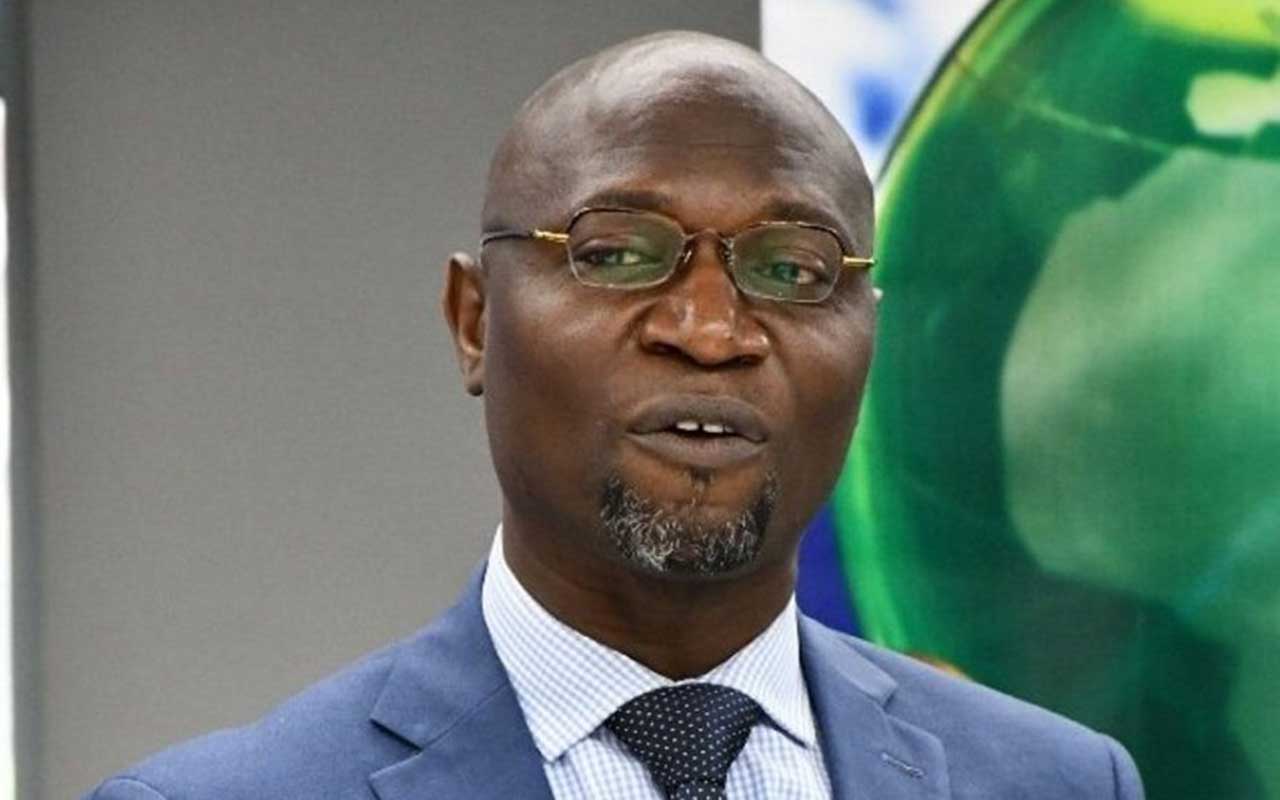
Emomotimi Agama, director general of the SEC

Nigeria’s capital market regulator is setting an ambitious trajectory, with the Securities and Exchange Commission (SEC) asserting that the formalisation of commodities exchanges and warehouse receipts could unlock $500 billion in dormant agricultural and mineral assets. This strategic plan, outlined by Emomotimi Agama, director general of the SEC, represents a push to diversify Nigeria’s economy beyond its traditional reliance on oil and gas, transforming untapped wealth into tradeable securities.

Speaking at a national workshop organised by the Chartered Institute of Stockbrokers in Abuja, Agama presented a vision where these currently illiquid assets are brought into the formal financial system. By converting them into recognised, tradeable instruments, the SEC aims to create new avenues for investment, enable economic diversification, and generate substantial wealth for the nation. This initiative is poised to inject considerable liquidity and sophistication into Nigeria’s commodities market, potentially attracting both domestic and international capital flows.

A cornerstone of this transformative agenda, according to Agama, is the recently enacted Investments and Securities Act (ISA) 2025. He emphasised that the new legislation significantly empowers the SEC, granting it the requisite precision and authority to effectively oversee a rapidly expanding market. 

“The Act sharpens the SEC’s regulatory focus, ensuring it operates with the precision and authority required to steward a rapidly expanding market,” he stated.

Agama did not shy away from bold pronouncements regarding the ISA 2025’s potential. He described the Act not merely as a legislative update but as a strategic blueprint to propel Nigeria into the league of top global economies. He went further, asserting, “This Act is not merely an update—it is a revolution. It dismantles legacy constraints, embeds global best practices, and positions our market as the engine room for national prosperity.” 

Such rhetoric, according to him, signals a profound shift in regulatory philosophy, aiming to position the capital market as a primary accelerator for Nigeria’s economic aspirations, including the much-discussed target of a $1 trillion economy. “The question before us is no longer if Nigeria can achieve a $1 trillion economy, but how soon—and the capital market, under this new Act, will be the accelerant,” he added.

Notably, the ISA 2025 also introduces enhanced investor protection mechanisms, a critical element for fostering confidence and encouraging broader participation in the capital market. Agama noted that the Commission now possesses “explicit powers to shut down Ponzi schemes and prosecute offenders, ending the era of ‘get-rich-quick’ scams that erode market confidence. 

Furthermore, the Act provides a long-awaited safeguard for investors: coverage for losses incurred from revoked dealer licenses. “Investors are now covered for losses from revoked dealer licenses—a long-awaited safeguard that will boost participation,” Agama confirmed. This provision is designed to instill greater confidence among retail and institutional investors alike, ensuring a safety net that was previously absent. 

The SEC DG underscored the fundamental importance of trust, stating, “Trust is the currency of our capital markets. Without it, liquidity dries up.” By strengthening investor protection, the SEC aims to enhance market transparency, reduce perceived risks, and ultimately boost liquidity and investment flows.

Leave a Comment

$500bn potential seen in commodities exchanges, warehousing systems

Emomotimi Agama, director general of the SEC

Nigeria’s capital market regulator is setting an ambitious trajectory, with the Securities and Exchange Commission (SEC) asserting that the formalisation of commodities exchanges and warehouse receipts could unlock $500 billion in dormant agricultural and mineral assets. This strategic plan, outlined by Emomotimi Agama, director general of the SEC, represents a push to diversify Nigeria’s economy beyond its traditional reliance on oil and gas, transforming untapped wealth into tradeable securities.

Speaking at a national workshop organised by the Chartered Institute of Stockbrokers in Abuja, Agama presented a vision where these currently illiquid assets are brought into the formal financial system. By converting them into recognised, tradeable instruments, the SEC aims to create new avenues for investment, enable economic diversification, and generate substantial wealth for the nation. This initiative is poised to inject considerable liquidity and sophistication into Nigeria’s commodities market, potentially attracting both domestic and international capital flows.

A cornerstone of this transformative agenda, according to Agama, is the recently enacted Investments and Securities Act (ISA) 2025. He emphasised that the new legislation significantly empowers the SEC, granting it the requisite precision and authority to effectively oversee a rapidly expanding market. 

“The Act sharpens the SEC’s regulatory focus, ensuring it operates with the precision and authority required to steward a rapidly expanding market,” he stated.

Agama did not shy away from bold pronouncements regarding the ISA 2025’s potential. He described the Act not merely as a legislative update but as a strategic blueprint to propel Nigeria into the league of top global economies. He went further, asserting, “This Act is not merely an update—it is a revolution. It dismantles legacy constraints, embeds global best practices, and positions our market as the engine room for national prosperity.” 

Such rhetoric, according to him, signals a profound shift in regulatory philosophy, aiming to position the capital market as a primary accelerator for Nigeria’s economic aspirations, including the much-discussed target of a $1 trillion economy. “The question before us is no longer if Nigeria can achieve a $1 trillion economy, but how soon—and the capital market, under this new Act, will be the accelerant,” he added.

Notably, the ISA 2025 also introduces enhanced investor protection mechanisms, a critical element for fostering confidence and encouraging broader participation in the capital market. Agama noted that the Commission now possesses “explicit powers to shut down Ponzi schemes and prosecute offenders, ending the era of ‘get-rich-quick’ scams that erode market confidence. 

Furthermore, the Act provides a long-awaited safeguard for investors: coverage for losses incurred from revoked dealer licenses. “Investors are now covered for losses from revoked dealer licenses—a long-awaited safeguard that will boost participation,” Agama confirmed. This provision is designed to instill greater confidence among retail and institutional investors alike, ensuring a safety net that was previously absent. 

The SEC DG underscored the fundamental importance of trust, stating, “Trust is the currency of our capital markets. Without it, liquidity dries up.” By strengthening investor protection, the SEC aims to enhance market transparency, reduce perceived risks, and ultimately boost liquidity and investment flows.

[quads id=1]

Get Copy

Leave a Comment