
By Oluwadarasimi Omiyale
Excessive waiting times at Nigeria’s major airports are increasingly becoming an overlooked cost for business travel, with executives and frequent flyers losing valuable working hours to delays, queues, and operational bottlenecks.
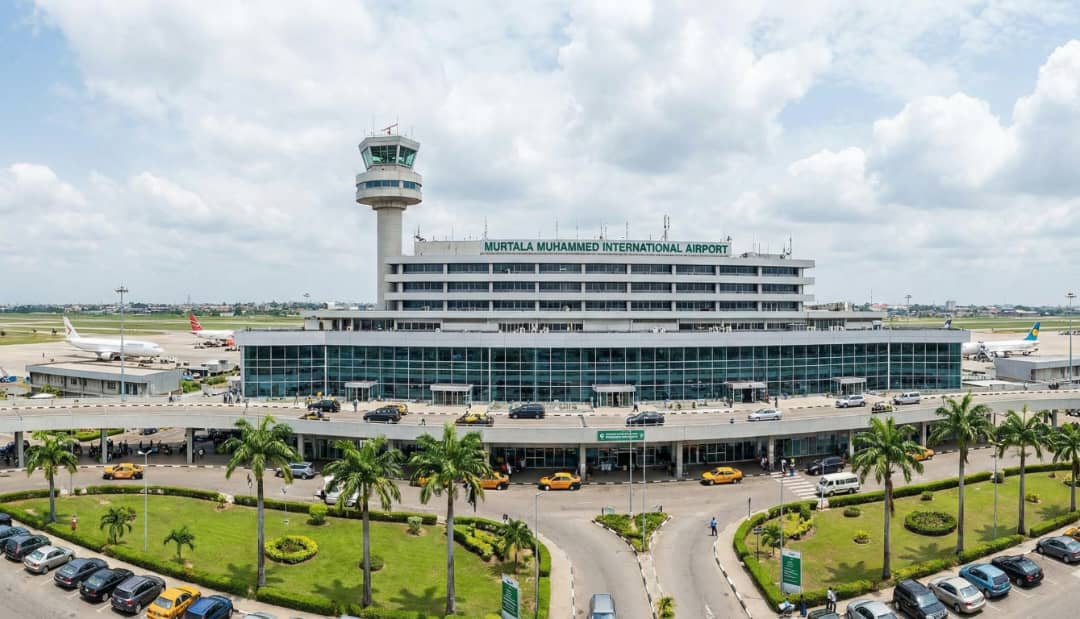
At hubs such as Murtala Muhammed International Airport in Lagos and Nnamdi Azikiwe International Airport in Abuja, passengers frequently report long check-in queues, extended security processing times, and unpredictable flight schedules that disrupt planned itineraries.
Industry observers say these inefficiencies are no longer just passenger inconveniences but are beginning to affect business productivity and operational planning across sectors.
According to aviation commentary published by ATQ News, logistical bottlenecks and manual processes at Nigerian airports are creating what it describes as hidden costs for corporate travellers, with time spent in transit translating directly into lost productive hours.
For senior executives, analysts note that extended airport delays can represent significant financial inefficiencies, especially when scheduled meetings, deal negotiations, or cross-border business engagements are affected by flight disruptions.
Reports from industry monitoring platforms, including Stears Business, have previously highlighted that repeated delays and cancellations in Nigeria’s aviation system are now seen as structural rather than isolated incidents, pointing to systemic challenges in airport operations and capacity management.
Passenger accounts also reflect similar concerns. A report aired by NTA Network News cited frequent traveller frustrations over long waiting hours and missed appointments, describing airport delays as increasingly disruptive to both personal and business schedules.
Beyond inconvenience, aviation experts argue that inefficiencies in airport processing, combined with infrastructural limitations, are contributing to broader economic friction within Nigeria’s domestic travel network.
These include extended pre-departure waiting times, inconsistent flight, and additional costs linked to lounge usage, meals, parking, and occasional overnight disruptions caused by schedule changes.
An aviation analyst, speaking on operational bottlenecks in the sector, noted that inefficiencies at airport terminals and cargo handling points continue to affect both passenger and commercial aviation performance, reducing overall system reliability.
While domestic travel between cities such as Lagos and Abuja remains essential for business mobility, the unpredictability of airport processing times is increasingly influencing how companies plan executive movement and scheduling.
Industry stakeholders say improving airport efficiency is now a critical part of enhancing national productivity, as travel time is increasingly being viewed not just as transport logistics, but as a measurable component of business performance.








Dear Trevor: Africa is calling (1)