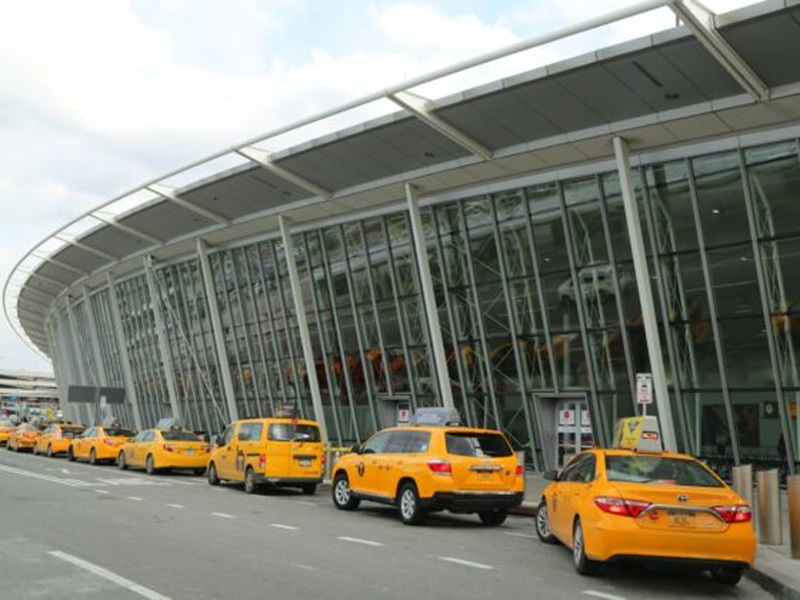
Airport taxi operators across Nigeria may face higher operating costs as the Federal Airports Authority of Nigeria (FAAN) moves to enforce a fleet upgrade policy aimed at improving transport service at the nation’s airport.
The authority said it is considering extending the compliance deadline to October 2026 following concerns raised by operators, but maintained that the vehicle upgrade programme remains necessary to improve service quality, safety standards and passenger experience.
The policy, which requires airport taxi operators to replace ageing vehicles with newer models, has generated concerns among transport providers who argue that the current economic environment makes compliance difficult.
FAAN said the initiative forms part of efforts to align airport transport operations with international best practices and ensure that airport users are served by clean, safe and professionally maintained vehicles.
In a statement issued by Henry Agbebire, the director of public affairs and consumer protection, FAAN dismissed claims that it had failed to engage operators on the matter, insisting that consultations had been ongoing for nearly two years.
According to FAAN, discussions on the upgrade programme began in July 2024, giving operators sufficient time to prepare for compliance. The authority noted that the initial deadline had already been extended on two occasions in recognition of prevailing economic realities.
The agency explained that the first extension moved the compliance date to January 2026, while a further adjustment shifted it to June 2026.
The latest proposal to move the deadline to October 2026 follows fresh concerns raised by operators over the cost of vehicle replacement and access to financing. For many airport taxi operators,the challenge goes beyond meeting regulatory requirements.
Industry participants say replacing older vehicles with newer models will require substantial investment at a time when inflation, exchange rate volatility and rising maintenance costs are already affecting transport businesses across the country.
Many operators rely on imported vehicles and spare parts, exposing them to foreign exchange pressures that have significantly increased acquisition and maintenance costs over the last two years.
The development has raised concerns that operators may be forced to increase fares in order to recover the costs associated with fleet renewal, such fare adjustments could ultimately be passed on to passengers, potentially increasing the cost of airport transportation at a time when travellers are already contending with higher airfares and inflationary pressures.
Despite the concerns, FAAN insists that the policy is not intended to punish operators or deprive them of business opportunities. Rather, the authority believes that upgrading airport taxi fleets will enhance service delivery and strengthen the overall image of Nigerian airports.
According to the agency, airport taxi services represent one of the first and last points of physical contact for many travellers, making service quality a critical component of the passenger experience.
Passengers who utilise airport taxi services deserve clean, roadworthy, comfortable and professionally maintained vehicles that reflect the premium environment expected of a modern international airport, the authority stated.
FAAN also clarified that its regulatory relationship exists with registered airport transport companies rather than associations or unions representing drivers.
The authority explained that operational engagements are conducted directly with licensed transport service providers in line with established procedures.
The clarification follows criticisms from some transport groups that claimed they had not been adequately consulted before the policy was introduced. However, FAAN maintained that stakeholder engagement has remained an integral part of the implementation process.
The proposed October deadline is expected to provide additional breathing space for operators seeking to modernise their fleets.
Meanwhile, FAAN has indicated that any further extension beyond the proposed timeline may be difficult to justify.
As discussions continue, stakeholders are expected to engage the authority on possible measures that could ease compliance costs while preserving the objective of improving passenger experience.