Oluwadara Omiyale
A Qantas flight operating between London and Perth was forced to divert to an airport in Western Australia after encountering stronger-than-expected headwinds that increased fuel burn and disrupted its planned non-stop journey, highlighting the operational and economic challenges of ultra-long-haul aviation.
The Boeing 787-9 Dreamliner, operating flight QF10, was scheduled to complete the London–Perth route in a single stretch but instead made an unscheduled stop at Karratha Airport in the Pilbara region for refuelling before continuing to its final destination.
The airline said the diversion was necessary after weather conditions along the route led to higher fuel consumption than initially planned, reducing the available margin required to complete the journey safely without a stop.
The aircraft remained on the ground in Karratha for about an hour before resuming its flight to Perth.
While Qantas described the incident as a routine operational response to changing weather conditions, aviation analysts say the development underscores the complexity of planning and executing ultra-long-haul flights that can exceed 17 hours in the air.
The diversion comes at a time when global airlines are investing in long-range aircraft capable of operating ultra-long sectors without stopovers, particularly on routes linking Australia to Europe and North America.
Qantas is currently preparing for its ambitious Project Sunrise initiative, which is expected to introduce non-stop flights between Sydney and London as well as Sydney and New York, with journey times projected to reach up to 21–22 hours.
The project is designed to eliminate stopovers on some of the world’s longest travel corridors, offering passengers faster point-to-point connectivity.
Meanwhile, the Karratha diversion illustrates the operational risks that accompany such extended flight durations, particularly in relation to fuel planning, weather variability and route optimisation.
Fuel management remains one of the most critical components of long-haul flight operations, with airlines required to balance payload, distance, winds and alternate landing options.
In the case of ultra-long-haul routes, even small variations in headwinds or atmospheric conditions can significantly affect fuel burn, forcing mid-journey adjustments or unscheduled stops.
The diversion also draws attention to the role of alternate airports in long-haul flight planning. Aircraft operating over remote regions such as the Indian Ocean and parts of Western Australia are required to maintain contingency options in the event of fuel, medical or technical requirements.
Karratha Airport, which primarily serves the region’s mining industry workforce, has recently been upgraded to accommodate larger aircraft, making it suitable for emergency and diversion landings of international flights.
Aviation experts said that such infrastructure plays a critical but often overlooked role in enabling global long-haul connectivity, particularly for routes that traverse sparsely populated regions. Industry experts said that the incident offers a practical example of the economic and technical limits of ultra-long-haul aviation, even as aircraft manufacturers continue to push range capabilities further.
Aircraft such as the Boeing 787 Dreamliner and Airbus A350 have enabled airlines to operate longer routes with improved fuel efficiency, but operational margins remain tightly managed due to unpredictable weather patterns and jet stream variations.
For Qantas, the diversion is unlikely to have a significant impact on its broader operations, but it provides useful insight into the challenges that may accompany the rollout of its future Project Sunrise services.
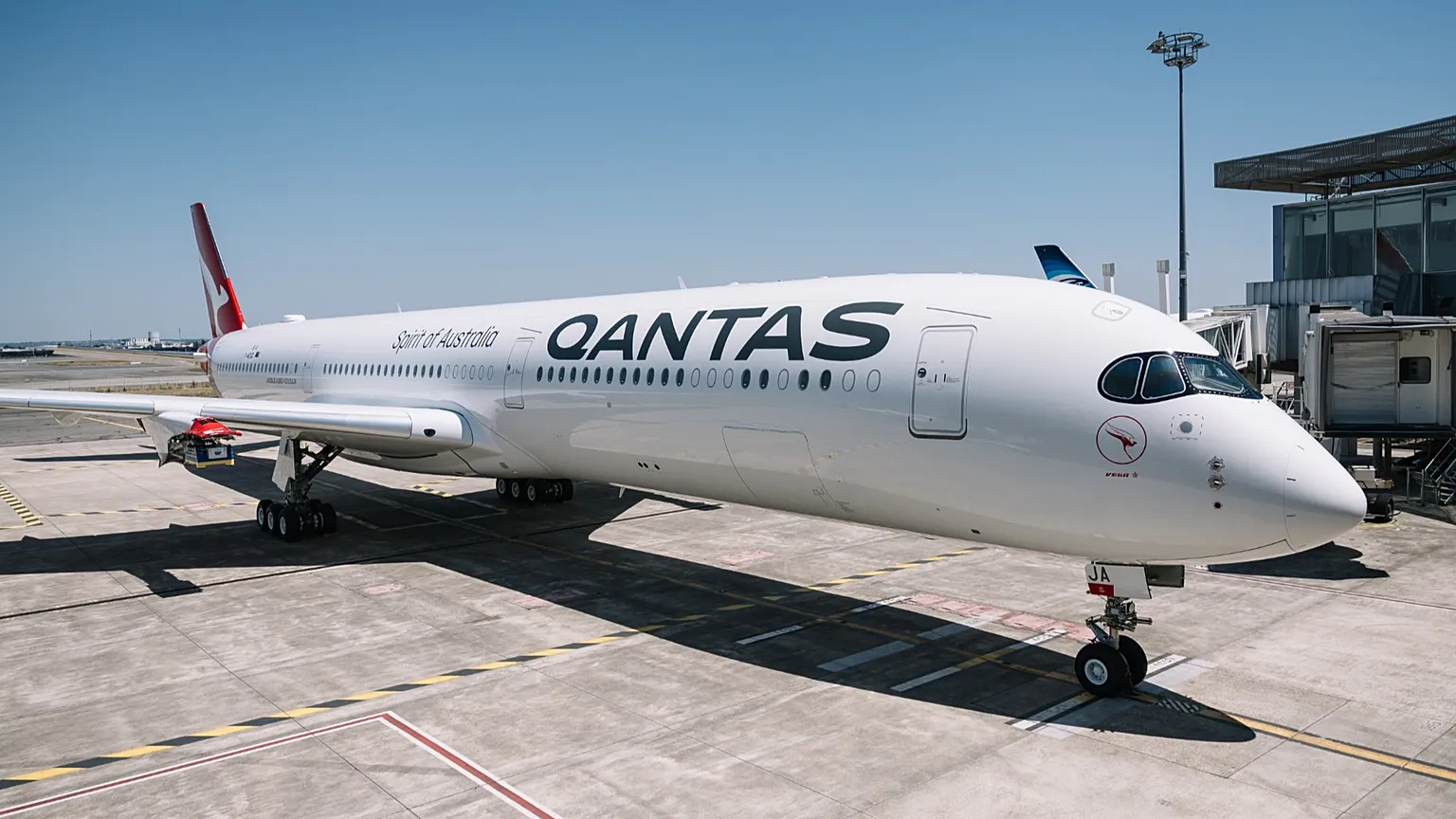
Those services are expected to rely on specially modified Airbus A350-1000 aircraft designed for ultra-long-range performance, with additional fuel capacity and cabin configurations aimed at improving passenger comfort on flights exceeding 19 hours.
The London–Perth route itself has become an important benchmark for testing ultra-long-haul feasibility, offering airlines a real-world operational environment ahead of even longer missions.