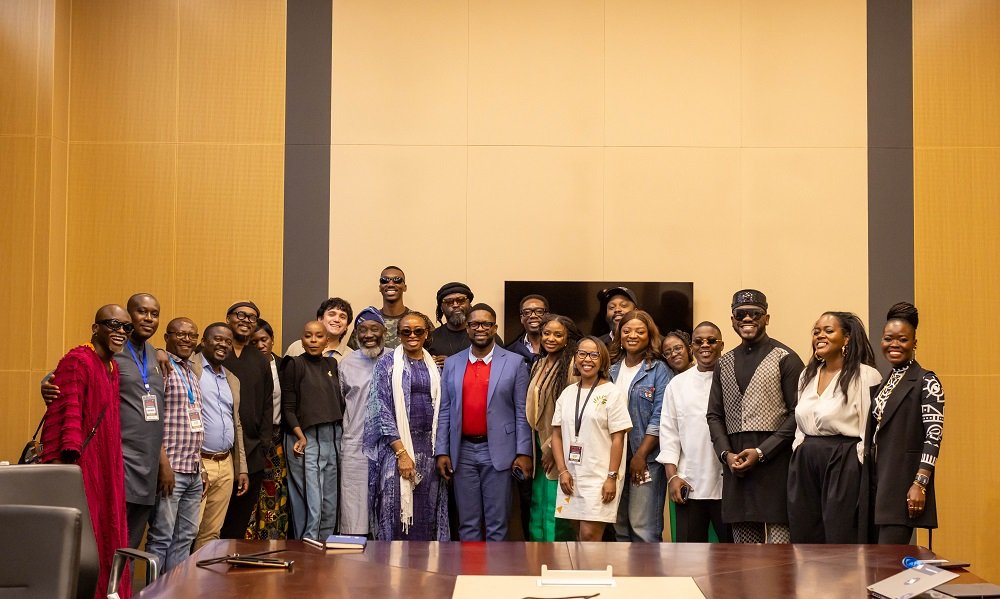
The creative economy is rapidly evolving into an investment-driven industry, with financing, technology and regional integration emerging as critical pillars of future growth. Those priorities shaped deliberations at Africa Creative Market (ACM) 2026 in Lusaka, where stakeholders from across the continent gathered to chart the sector’s next phase of development.
Held from June 29 to July 4 in partnership with the Creative Industries Business Summit Zambia (CIBSZ) and the Kwimbo National Arts Festival, the event attracted participants from Nigeria, Zambia, South Africa, Ghana, Zimbabwe, Cameroon, Senegal and other African countries.
Unlike traditional arts festivals, ACM positioned the creative economy as a strategic investment ecosystem where policy reforms, access to capital and business partnerships are becoming as important as artistic talent.
The shift reflects a notable trend across Africa, where governments are increasingly viewing creative industries as engines of economic diversification capable of generating employment, attracting foreign investment, boosting exports and expanding the continent’s digital economy.
Opening the event, Inya Lawal, founder, Africa Creative Market,said Zambia’s growing commitment to the sector made it an appropriate venue for this year’s gathering.
“People often ask me why we chose Zambia. My answer has always been simple; because Zambia is ready,” she said.
Representing the Zambian government, Kangwa Chileshe, permanent secretary in the ministry of youth, sport and arts, argued that Africa’s creative ambitions would depend on building institutions capable of supporting long-term industry growth.
“Talent alone is not enough. We must build the structures that allow talent to thrive,” he said.
The conference’s investment agenda came into sharper focus during the Creative Capital Forum, where discussions centred on improving access to finance for creative businesses and building commercially sustainable enterprises.
Participants called for stronger entrepreneurial ecosystems, improved financial inclusion, greater investor participation and long-term funding mechanisms that can help creative businesses scale beyond domestic markets.
Legal and regulatory reforms also featured prominently.

At the Global Creative Legal Summit, industry stakeholders examined intellectual property protection, collective rights management, cross-border licensing, artificial intelligence and the opportunities presented by the African Continental Free Trade Area (AfCFTA).
The unveiling of the African Creative Economy Lawyer (ACEL) initiative and the Entertainment & Creative Law Hub (ECLH) reflected growing efforts to strengthen the legal architecture underpinning Africa’s creative industries.
Technology emerged as another defining pillar of the conference.
Sessions at the Creative Technology Summit explored how artificial intelligence, immersive technologies, animation and digital platforms are transforming content creation, distribution and monetisation, creating new commercial opportunities for African creators.
Separate discussions on the YouTube creator economy and digital entrepreneurship encouraged creators to move beyond viral content by building intellectual property portfolios, diversifying revenue streams and developing sustainable businesses.
Industry participants argued that the future competitiveness of Africa’s creative economy will increasingly depend on its ability to commercialise innovation while protecting creators’ rights in an evolving digital landscape.
Across fashion, film, photography, theatre, music and visual arts, discussions consistently reinforced the commercial value of Africa’s cultural assets.
The FashionEVO Summit highlighted opportunities in manufacturing, exports, sustainable production and investment, while film industry sessions focused on financing, distribution, talent development and expanding international audiences for African productions.
One of the week’s major highlights was the Zambian premiere of the feature film 77, which brought together filmmakers, government officials, investors and media executives, reflecting the growing momentum behind regional collaboration in Africa’s film industry.
Beyond investment and policy, delegates also explored workforce sustainability through conversations on burnout, mental wellbeing and resilience, recognising that long-term industry growth depends on supporting creative professionals as businesses rather than simply artists.
Outside the conference venue, the Kwimbo National Arts Festival transformed Lusaka into a showcase of African music, dance, fashion, crafts and cultural performances, showcasing how cultural tourism and public engagement can generate economic activity for local businesses and entrepreneurs.
The conference concluded with the ACM Next Level Music Showcase, providing emerging artists with opportunities for international music distribution, publishing support and commercial exposure.
Industry stakeholders said the partnerships established during ACM 2026 are expected to strengthen regional value chains, improve market access and encourage greater investment across multiple segments of Africa’s creative economy.