Africa sits on a scale of sovereign assets that should make it one of the world’s most attractive investment destinations. Energy corridors, mineral reserves, agricultural land, logistics infrastructure, state owned enterprises, digital networks and a young and rapidly growing population form a foundation few regions can match. Yet these assets remain under leveraged, undervalued and insufficiently structured to attract global private capital at scale. The gap is not potential. The gap is a coherent and strategic institutional architecture.
Travelling across the continent over two decades, I have seen African countries sit on extraordinary assets, from port corridors that could anchor regional trade to mineral basins with global strategic relevance, yet struggle to convert them into investable opportunities because the systems around them are too fragmented. These assets are real. The architecture to unlock them at scale is not.
For far too long, Africa’s economic engagement with the world has been shaped by aid frameworks, fragmented investment efforts and project by project negotiations that rarely produce the scale or predictability investors require. At the same time, global capital has shifted toward long term, de-risked, portfolio based investment. The continent has not lacked ambition. It has lacked a continental mechanism capable of preparing sovereign assets, structuring them into investable portfolios and presenting them to global capital in a coherent and credible way.
Across the continent, leaders have begun to recognise this gap. A new generation of African owned institutions is emerging. Among them is a continental platform, the Global Africa Investment Summit (GAIS), that is strategically positioning itself as the system Africa has long needed. It is designed to bridge the distance between sovereign assets and global capital markets by creating the conditions under which assets can be better organised, governed and risk managed to meet global investment standards. It is not another event. It is an institutional investment engine.
The political economy logic for it is clear. Investors respond to predictability, transparency and institutional continuity. Governments respond to political incentives, national priorities and the realities of state capacity, including the pressure to deliver visible results within short political cycles. A continental investment institution like GAIS sits at the intersection of these two worlds, translating political realities into bankable structures and investor requirements into actionable pathways for governments.
The timing could not be more important. UNCTAD reports that Africa attracted $97 billion dollars in foreign direct investment in 2024, a 75 percent increase from the previous year. But this growth remains uneven and concentrated in a handful of mega projects. The continent needs systematic and broad based investment strategies rather than episodic inflows.
The rise of renewable energy investment, $17 billion dollars across seven major African projects in 2024, alongside a sharp decline in fossil fuel investment, shows how quickly global capital is shifting. Africa must be ready to meet that shift with credible and investment ready pipelines.
A year round investment engine is required, not a once a year convening. That means a professional institution with the technical, diplomatic and operational capabilities to move sovereign assets from concept to investment readiness. It requires expertise that understands how to structure public private partnerships, concessions, special purpose vehicles and blended finance instruments. It requires people who can work with ministries, regulators and state owned enterprises to align incentives and navigate political economy constraints. And it requires a narrative and communications function that can articulate Africa’s investment story with clarity and authority.
The African Continental Free Trade Area adds another layer of strategic opportunity. With a market of more than 1.3 billion people and a combined gross domestic product of more than $3.4 trillion dollars, the AfCFTA Protocol on Investment provides a unified regulatory framework Africa has long needed. When investment is channelled into this integrated market, powerful network effects emerge. The more countries and investors participate, the more valuable the system becomes.
There is also a governance dividend. Transparent and accountable investment processes help close the governance gap, the disconnect between economic growth and institutional development. When African leaders endorse the creation of a credible investment institution like GAIS, they are acknowledging that sustainable investment requires both capital and strong governance.
The geopolitical dimension is equally important. As global supply chains shift and new growth centres emerge, Africa is asserting agency in global capital flows. A continental investment institution positions the continent not as a passive recipient of aid or extractive investment but as a co architect of global economic rebalancing.
Beneath all of this lies Africa’s demographic transformation. With the population set to double by 2030, the continent faces a defining question. Will this become a demographic dividend or a demographic burden. The answer depends on investment in job creating sectors such as manufacturing, the digital and creative economies, financial services, social services and infrastructure. These are the sectors that a well designed investment institution can unlock.
The shift required is significant. It moves Africa away from ad hoc engagement and toward a continental investment system, one that recognises that sovereign assets are not merely national endowments but strategic levers for regional and global economic integration. It reframes Africa not as a collection of fragmented markets but as a coherent investment space capable of producing bankable portfolios aligned with national and regional priorities.
This is where the real work begins.
If Africa is to unlock the value of its sovereign assets, it needs institutions capable of translating potential into investment. The task ahead is to strengthen the emerging continental platforms that are African owned, globally credible and structurally designed to connect the continent’s assets with the capital required to transform them. The continent’s future prosperity will rest not on the scale of its endowments but on the strength of the institutions that prepare, structure and present those assets to the world.
This is why the establishment of GAIS is more than a welcome development. It has become an urgent continental necessity, and its moment has arrived.
- business a.m. commits to publishing a diversity of views, opinions and comments. It, therefore, welcomes your reaction to this and any of our articles via email: comment@businessamlive.com

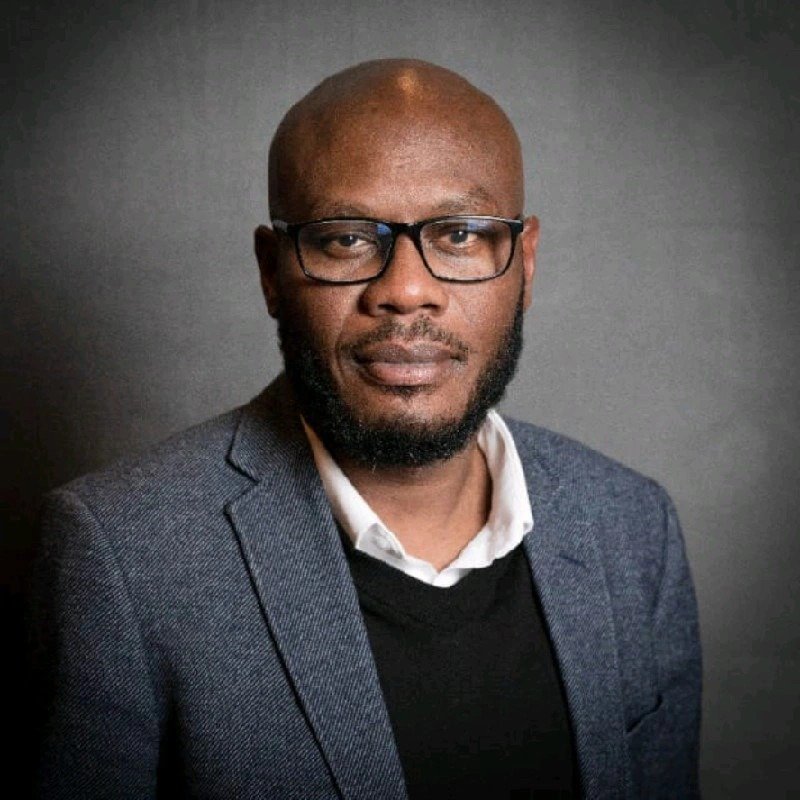
Dr. Wale Osofisan, PhD, is a seasoned governance strategist and policy analyst with over 23 years of experience advancing African-led, evidence-based solutions to political transitions, humanitarian crises and development challenges.