The UK-backed drive to unlock Nigeria’s largely untapped small hydropower resources is increasingly being positioned as an investment story rather than simply another renewable energy programme, with policymakers and development partners seeking to crowd in private capital by converting existing public water infrastructure into bankable clean-energy assets.
Speaking at a high-level ministerial briefing in Abuja, AP3 Advisory, the implementing partner for the United Kingdom’s Partnering for Accelerated Climate Transitions (UK PACT) Nigeria Energy Programme, unveiled a strategic roadmap aimed at mobilising private-sector financing for small run-of-river hydropower projects, arguing that the country’s next wave of electricity generation could come from underutilised dams and water infrastructure rather than costly greenfield developments.
According to AP3 Advisory, Nigeria possesses an estimated 14 gigawatts of technically exploitable hydropower capacity, yet more than 85 per cent of that resource remains undeveloped despite decades of investment in dams and water infrastructure.
Rather than constructing entirely new facilities, the programme proposes converting existing brownfield water assets into commercially viable renewable power projects capable of attracting institutional investors, infrastructure funds and commercial lenders.
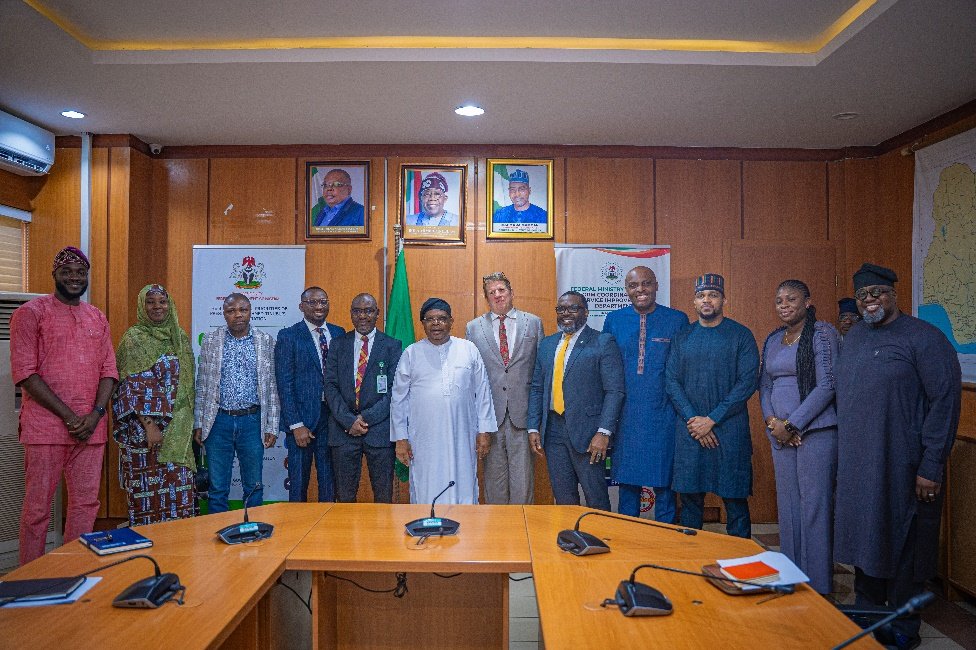
The investment proposition was presented during a ministerial briefing titled ‘Nigeria’s Hydropower Opportunity: Mobilising Private Sector Capital to Catalyse Small Run-of-River Hydropower at Scale for Rural Electrification and Industrialisation’, attended by senior officials from the Federal Ministry of Power, the Rural Electrification Agency, the British High Commission, development finance institutions, state governments, utilities and private-sector investors.
Three pilot projects located at NESCO Cascade in Plateau State, Ikere Gorge in Oyo State and Ghari Dam in Kano State have been selected to showcase how technically prepared, investment-ready renewable energy projects can attract private capital while expanding electricity access, supporting industrial development and accelerating rural electrification.
According to Gori Olusina Daniel, managing partner of AP3 Advisory and UK PACT programme director, the initiative is designed to create a scalable investment framework extending well beyond the initial pilot schemes.
“Our objective is not simply to deliver three projects. We are creating the policy frameworks, investment toolkits and institutional confidence required to unlock Nigeria’s wider small hydropower potential. By preparing bankable projects and engaging investors early, we are demonstrating how existing public infrastructure can attract private capital and deliver reliable electricity at scale,” he said.
To improve investment readiness, the programme has completed extensive technical and commercial de-risking activities, including pre-feasibility studies, investor-grade financial modelling, environmental and social impact assessments, regulatory support and the development of a National Small Hydropower Asset Register.
The register identifies more than 32 priority brownfield sites with over 500 megawatts of near-term development potential, creating what industry participants believe could become one of Nigeria’s largest renewable infrastructure investment pipelines.
Representing the United Kingdom’s Foreign, Commonwealth and Development Office (FCDO), Paul Healey, head of Private Sector and Green Growth at the British High Commission, said the programme demonstrates how technical assistance can unlock substantially larger pools of private investment.
“The UK’s partnership with Nigeria’s power sector is longstanding and continues to evolve. This programme demonstrates how technical assistance can unlock significant private finance by creating value from underutilised public assets. It reflects our shared commitment to strengthening investment, expanding clean energy and supporting sustainable economic growth,” he said.
Joseph Olasunkanmi Tegbe, the minister of power described small hydropower as an important component of the country’s long-term energy strategy, saying government intends to expand electricity generation alongside ongoing reforms in transmission and distribution.
“I am on board with this and you can count on my support. While we continue addressing transmission and distribution challenges, we must simultaneously expand generation capacity. Small hydropower offers practical, scalable opportunities that support industry, agriculture and communities, and I look forward to seeing these projects move from studies to implementation,” the minister said.
He also stressed the importance of securing affordable international financing to improve project bankability and encouraged closer collaboration between government, development partners and private investors to accelerate project delivery.
Officials at the Federal Ministry of Power say the initiative is equally important for strengthening institutional capacity and establishing a replicable framework for future renewable energy investments.
Owolabi Sunday, director of Renewable Energy and Rural Development at the ministry, said the programme has strengthened project preparation processes while helping government develop templates capable of attracting investment across multiple hydropower locations.
“The UK PACT programme has become an important partner to the Ministry. Beyond supporting these pilot projects, it is helping us strengthen the institutional capacity required to attract investors, improve project preparation and create templates that can be replicated across many other hydropower sites in Nigeria,” he said.
The meeting concluded with discussions on developing Nigeria’s first National Small Hydropower Policy, improving regulatory coordination and accelerating reforms aimed at mobilising long-term private investment into renewable energy infrastructure.