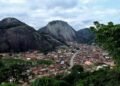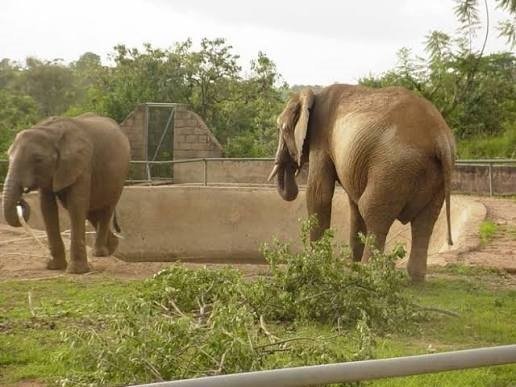
Plateau State is turning to private-sector investment and infrastructure upgrades to revive the Jos Wildlife Park, with a proposed N6.25 billion public-private partnership (PPP) concession positioning the long-neglected tourist attraction as a potential new source of jobs, revenue and business activity.
The move comes after years of declining patronage, poor facilities and security challenges weakened the park’s contribution to Plateau State’s tourism economy.
Once one of the state’s prominent tourist destinations, the park attracted 110,275 visitors in 2015, with patronage rising to 131,810 in 2019 before falling to 120,462 in 2020, according to a study of visitor trends.
The state government is now seeking to reverse that decline through a combination of rehabilitation, stronger security, private-sector participation and broader tourism planning.
A project assessment prepared by the Plateau State Government valued the proposed PPP concession at N6.25 billion, underscoring the scale of investment being contemplated to reposition the facility.
From tourism asset to commercial opportunity
The proposed concession goes beyond renovating the park’s physical infrastructure.
The state wants to upgrade facilities, expand the animal population, improve visitor experience, attract more tourists and create new revenue streams around the attraction.
If successful, the investment could generate economic activity beyond the park itself, benefiting hotels, restaurants, transport operators, tour guides, traders and other small businesses that depend on tourist traffic.
The park’s location within Jos gives it an additional commercial advantage, placing it close to a sizeable urban population and potentially allowing it to serve both domestic tourists and residents seeking recreational attractions.
Security remains the biggest business risk
The rehabilitation push, however, faces a major obstacle: security.
In June, the Plateau State Tourism Corporation temporarily sealed pedestrian access points after cases of illegal night grazing and other unauthorised activities were reported within the park.
Authorities said some individuals had gained entry through water channels and by breaking locks on gates along the park’s boundary.
Security measures have since been strengthened, with the government reporting arrests and prosecutions linked to illegal activities.
The problem is significant because insecurity affects tourism not only by damaging facilities but also by influencing whether visitors are willing to spend time and money at an attraction.
A 2023 study found that 44 percent of respondents identified insecurity as a challenge to tourism at the park, ahead of poor facilities and other concerns.
That makes sustained security one of the critical conditions for the success of any private investment in the facility.
Early rehabilitation shows revenue potential
There are signs that investment in the park can generate measurable commercial returns.
The Jos Wildlife Park has received intervention through the Agro-Climatic Resilience in Semi-Arid Landscapes (ACReSAL) project, which included perimeter fencing, security equipment, solar lighting and improvements to facilities.
ACReSAL reported that annual tourism income increased from about N13 million to more than N26 million following its interventions.
While the revenue base remains modest relative to the proposed N6.25 billion concession, the increase provides an indication of the potential impact of basic infrastructure and security improvements on visitor activity.
The challenge for the proposed PPP will be to build on those gains and develop a commercially sustainable operation capable of generating significantly higher visitor numbers and revenues.
Can private capital revive Jos tourism?
The proposed concession comes as Plateau seeks to make tourism a more significant component of its economy.
The state government has pointed to the rehabilitation of the Jos Wildlife Park, partnerships in wildlife conservation and plans for a broader tourism master plan as part of its strategy to develop the sector.
For investors, however, the attraction will depend on more than the park’s physical assets.
A commercially viable operation will require reliable security, effective management, consistent maintenance, adequate visitor infrastructure and a strong strategy for attracting tourists.
It will also need to demonstrate that visitor spending can support the investment required to maintain and expand the facility.
The economic case extends beyond entrance fees. A successful park can stimulate demand across accommodation, food services, transportation, retail and entertainment, creating a multiplier effect around the tourism asset.
A test case for Plateau’s tourism strategy
The Jos Wildlife Park could therefore become a test of whether Plateau can convert its tourism assets into commercially sustainable enterprises through private capital and stronger public-sector management.
The N6.25 billion proposed concession represents a significant financial commitment relative to the park’s current revenue base, making execution and long-term sustainability crucial.
For Plateau State, the objective is ultimately bigger than restoring a tourist attraction.
It is about proving that better security, modern infrastructure and private-sector participation can transform an underperforming public asset into a revenue-generating tourism business and employment platform.
After years of decline, the next phase of the Jos Wildlife Park’s story will be measured not by the size of the rehabilitation plans, but by whether visitors return, businesses benefit and the attraction can generate sustainable revenue for the state.