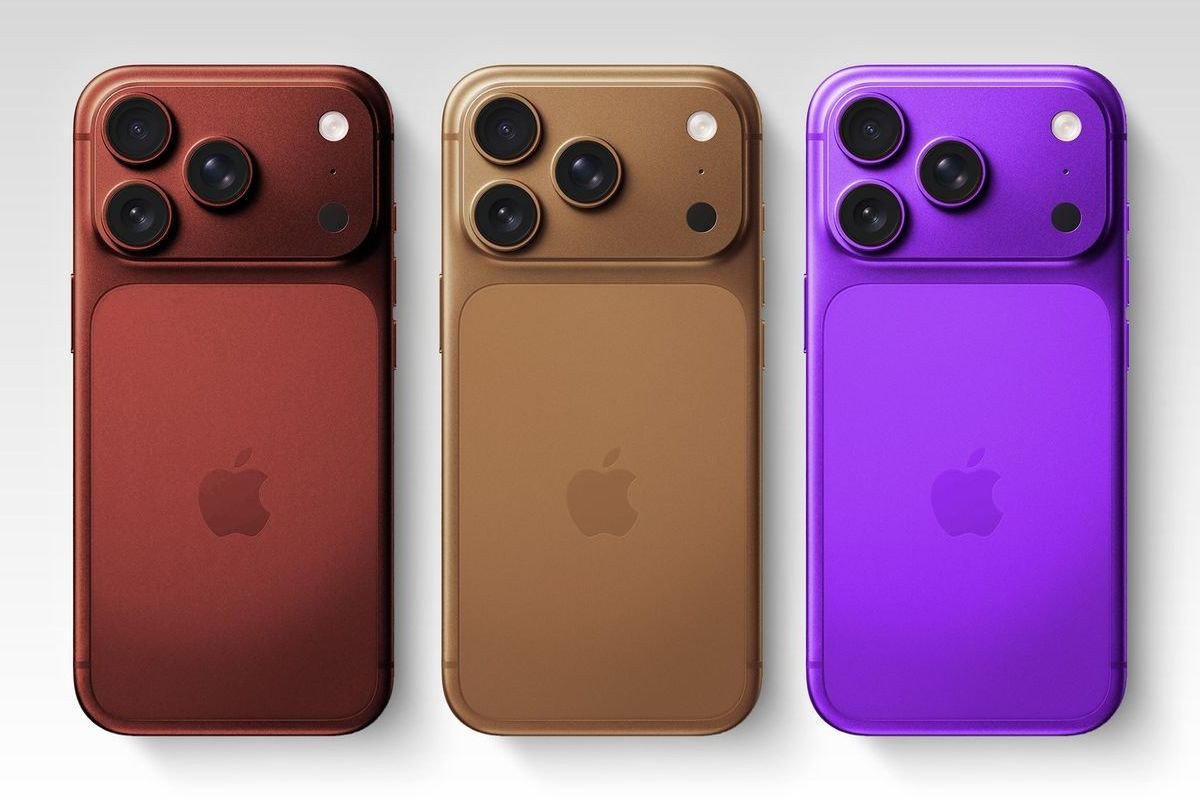
Apple Inc. is reportedly preparing a notable restructuring of its upcoming iPhone lineup, with new supply chain leaks indicating that the standard iPhone 18 will be repositioned closer to the company’s more affordable “e” series in both specifications and production design.
According to industry chatter originating from China’s supply chain ecosystem, the “vanilla” iPhone 18 may no longer launch alongside Apple’s premium models in its traditional September window. Instead, it is now expected to debut in spring 2026 alongside the iPhone 18e, while the iPhone 18 Pro, iPhone 18 Pro Max, and a potential foldable variant, rumoured to be branded either the iPhone Fold or iPhone Ultra, will headline Apple’s autumn launch event.
More significantly, the base iPhone 18 is said to be undergoing internal cost adjustments driven by rising semiconductor pricing pressures across the global chip industry.
The leak suggests Apple is planning a downgraded manufacturing process for the device’s chipset, alongside reduced chip specifications and potential adjustments to memory configuration. These changes could include either lower RAM capacity or slower memory performance, marking a departure from Apple’s historical approach of keeping baseline models closely aligned with flagship-grade performance.
If confirmed, the shift would represent a structural change in Apple’s product segmentation strategy, effectively narrowing the performance gap between the standard iPhone 18 and the more budget-focused iPhone 18e.
However, the source did not clarify whether the reported downgrades are relative to the iPhone 17 or the upcoming iPhone 18 Pro models. The distinction is critical: if the comparison is to the iPhone 17, the current-generation device could become a more compelling value proposition in Apple’s lineup than its successor.
Analysts note that Apple has increasingly segmented its product range to maximise pricing flexibility across different consumer tiers, but a further convergence between base and budget models could signal heightened cost sensitivity in its supply chain strategy.
The reported timeline shift also suggests Apple is leaning further into a staggered product release model, separating flagship innovation launches from mainstream volume drivers. This approach could help the company manage production costs more efficiently while maintaining premium positioning for its high-end devices.
While Apple has not officially confirmed any of the reported changes, the speculation underscores growing pressure across the smartphone industry as rising component costs force manufacturers to reassess long-standing product strategies.
If the leaks prove accurate, the iPhone 18 cycle could mark one of Apple’s most significant structural shifts in recent years, where the definition of a “standard” iPhone is no longer anchored to flagship performance parity, but increasingly to cost efficiency and product segmentation.