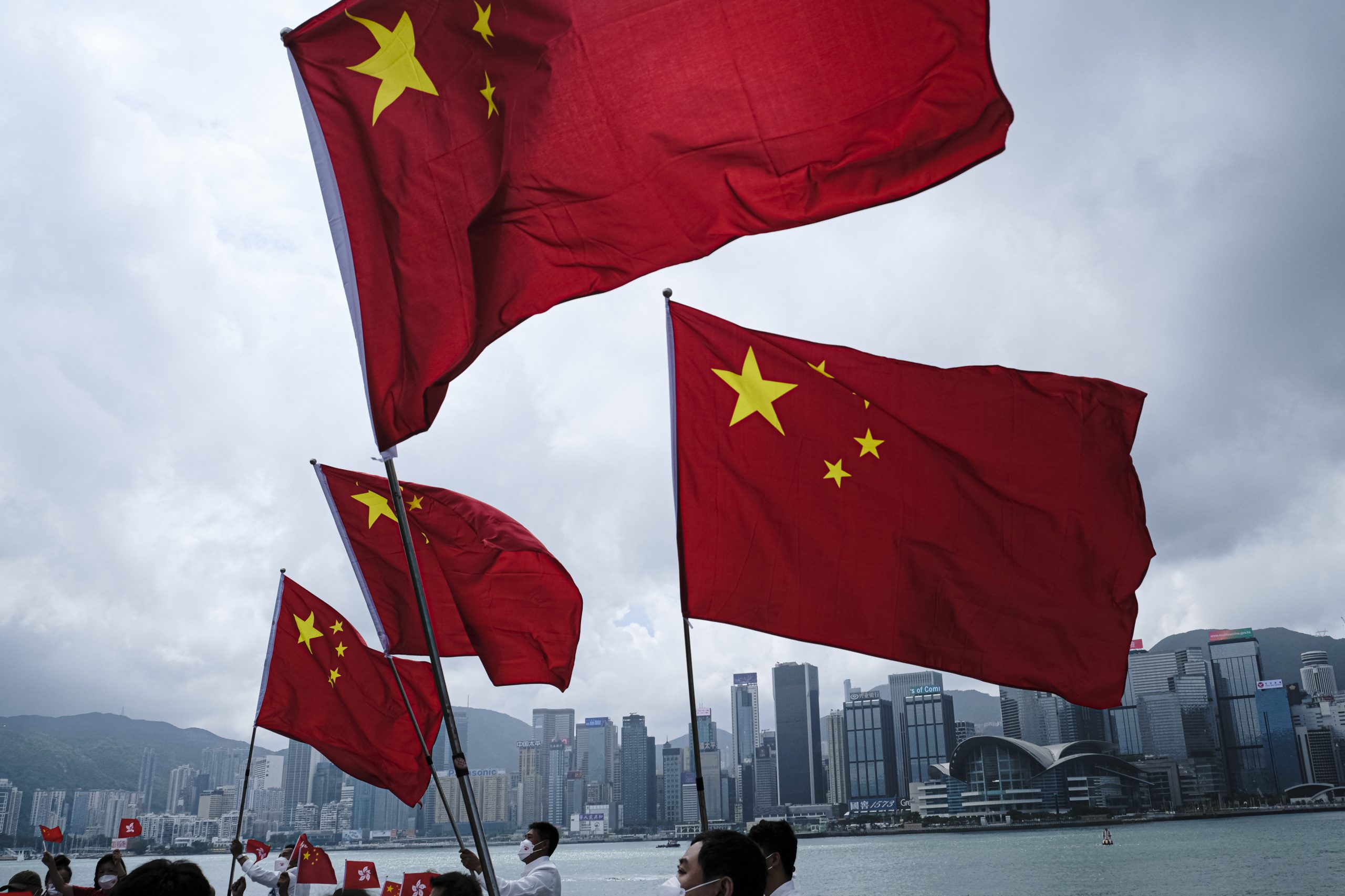

China has unveiled its first nationwide childcare subsidy, a direct financial incentive aimed at encouraging families to have more children. Beginning in 2025, parents across the country will receive an annual payment of 3,600 yuan (£375; $500) for each child under the age of three, as part of a wider policy shift designed to reverse years of declining birth rates.
Announced on Monday, the initiative marks an expansion of earlier, localised schemes and is expected to benefit over 20 million families each year. The subsidy will be exempt from income tax and will not be counted as household earnings when determining eligibility for other forms of state assistance, such as welfare or extreme hardship aid, ensuring its full benefit reaches recipient families.
This measure comes amid mounting concerns about China’s shrinking population and rapidly ageing society. Despite the abolition of the country’s controversial one-child policy nearly a decade ago, birth rates have continued to slide, threatening the long-term sustainability of the world’s second-largest economy and placing immense pressure on its social security and healthcare systems.
According to the National Bureau of Statistics, 9.54 million babies were born in China in 2024, a modest increase from the previous year. However, this slight rebound was insufficient to halt the overall population decline, which continued for the third consecutive year. Meanwhile, the number of people aged 60 and above rose to 310 million by the end of 2024, further exacerbating the strain on the country’s social infrastructure.
The prohibitive cost of raising children has been identified as a key factor discouraging many couples from having more children. A recent study by the China-based YuWa Population Research Institute found that raising a child to the age of 17 costs Chinese parents an average of $75,700. This figure positions China among the most expensive countries in the world to raise a child, particularly in relative terms to average incomes, making the financial burden a significant deterrent for prospective parents.
The new nationwide subsidy forms part of a broader and evolving shift in China’s family planning policy that began nearly ten years ago. After scrapping the one-child policy in 2015, authorities allowed couples to have two children in 2016 and further extended this to three children in 2021. However, despite these policy adjustments, the hoped-for baby boom never materialised. Instead, birth rates and the total number of newborns declined for seven consecutive years until the slight rebound observed in 2024.
In the interim, local governments across China have been experimenting with various incentives to boost birth rates. Earlier this year, Hohhot, the capital of Inner Mongolia, began offering residents up to 100,000 yuan per baby for couples with at least three children, a significantly higher incentive. Similarly, Shenyang, a city in northeast China, offers 500 yuan per month to families with a third child under the age of three. Last week, Beijing also called on local authorities to prepare plans for implementing free preschool education, addressing another major cost burden for families.