• Youth unemployment hits above 60%
• High public debt
Aliko Dangote’s proposed $17 billion (or Ksh2.2 trillion) mega refinery and petrochemicals complex on Kenya’s Lamu Island has come under fresh challenge as the Lamu youth and community leaders are demanding that at least 70 percent of the jobs created by refinery be reserved for residents, according to reports from Kenyan media, monitored by Business A.M.
The refinery’s construction is targeted to begin around October 2026 and finish in under four years. Funding structure is planned as a mix of 30 percent equity and 70 percent debt. It is expected to refine 700,000 barrels of crude oil per day.
Lamu region’s residents said they have welcomed the planned refinery, highlighting that the project could provide much-needed employment opportunities for young people in a county where unemployment remains a major concern.
Latest reports said Kenya, an East African nation, faces severe unemployment and underemployment crisis, particularly affecting its young population, with youth unemployment estimated at over 60 percent.
Key factors driving the crisis include youth vulnerability, high public debt, heavy domestic borrowing, and skills mismatch where many graduates enter the labour force without the specific technical or practical skills demanded by modern employers.
Also, citizens aged 15 to 35 years who make up a large portion of the country’s population, are without jobs as youth joblessness is as high as 67 percent.
In addition, most working Kenyans survive in unregulated, informal jobs lacking contracts, stability, or social security.
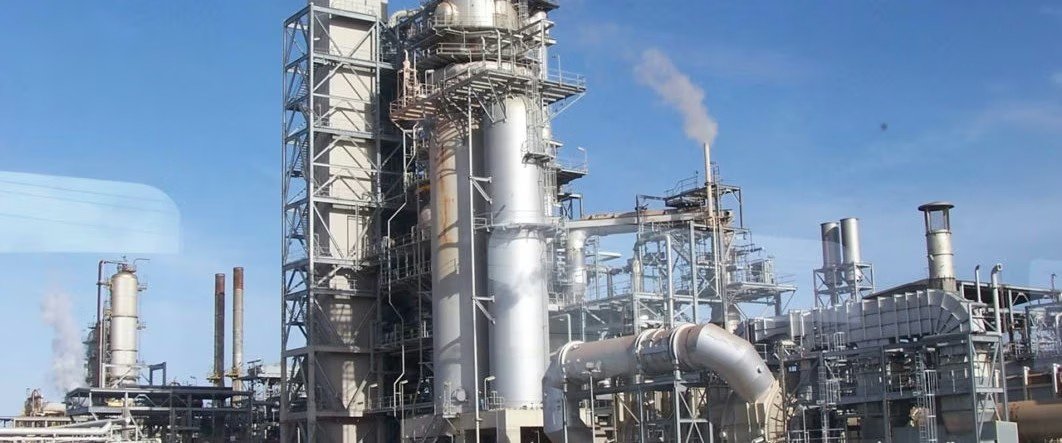
The proposed refinery and petrochemical complex is expected to create about 60,000 jobs during construction and operation, raising hopes that the investment could significantly transform livelihoods and economic opportunities in Lamu.
In particular, the Lamu residents want the Kenyan government and Dangote Group to enter into a legally binding agreement guaranteeing locals a substantial share of the jobs before the project gets underway.
One Lamu youth said: “We are not against the refinery. We agree with the refinery taking place because we have no jobs and this opportunity can give us 60,000 positions that will help many youths here”.
To wit, oil industry watchers say the proposed investment has been described as a major regional project, with Africa’s richest man, Dangote, expected to break ground on the refinery and petrochemical complex around September.
According to David Ndii, economic adviser to President William Ruto, the project is estimated at Ksh2.59 trillion (about $20 billion), and Dangote Group has offered East African countries a combined 30 percent equity stake in the development, and Kenya has been offered a 10 percent stake valued at about Ksh64.74 billion (or $500 million).
Ethiopia and Rwanda have also expressed interest in the regional stake, with the proposed 30 percent share for East African countries valued at about Ksh194.21 billion (or $1.5 billion).
Other reports quoted Ndii the President’s economic adviser as saying, countries that may not commit to purchasing products from the refinery could still participate through a backstop arrangement, potentially allowing the regional partnership to proceed.
Despite this scale of the investment, Lamu residents say they want local participation to extend beyond employment and equity discussions, calling for training programmes that equip young people with the skills required for technical and professional positions.
In particular, the youths also insist they are seeking greater involvement in negotiations surrounding the project, including discussions on employment, skills development, community projects and other benefits that would directly reach residents.
According to one of the parents, he said Lamu region had been a victim of poor leadership for a long time, describing the refinery as an opportunity for young people to take a greater role in the county’s development.