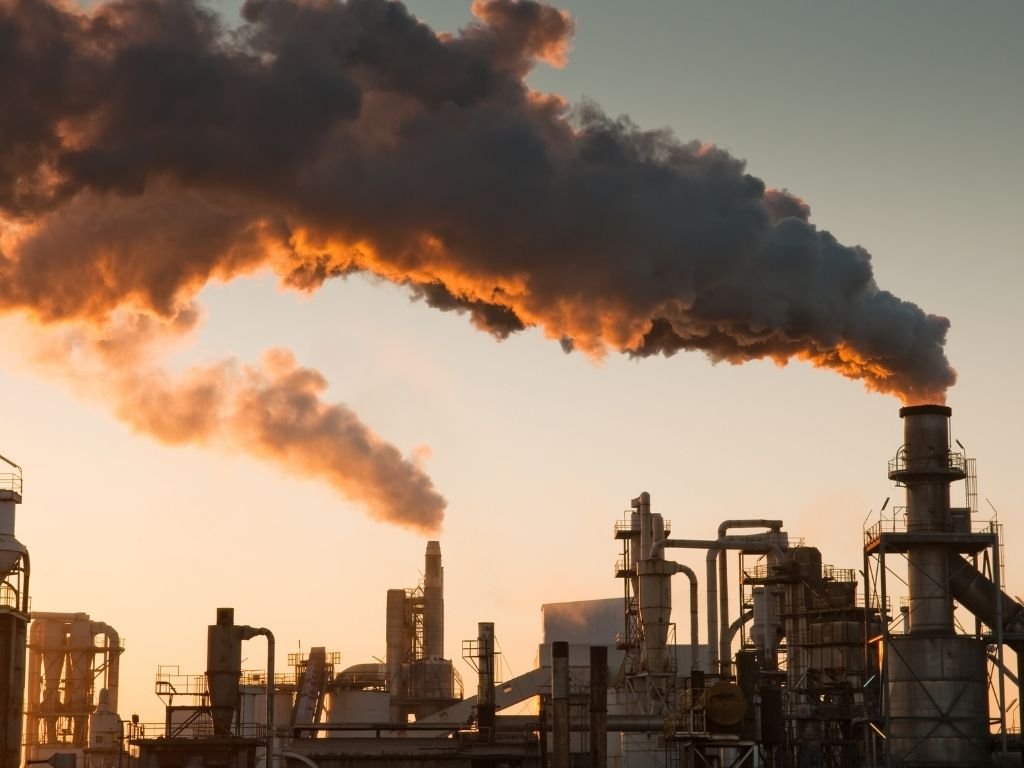
Frontline communities and civil society groups, activists, community organizations, and campaigners across Africa, Europe, and Latin America unite to demand that fossil fuel companies labelled ‘polluters’, stop further operations, fix past harm, and exit from oil production sites in various countries around the world.
From this Saturday till May end, they will engage in coordinated actions, including public protests, teach-ins, study circles, digital actions, cultural performances, and community tribunals, targeting some of the world’s largest fossil fuel corporations during a global week of action dubbed #KickPollutersOut.
The actions, scheduled for May 23–30, will emphasize the effects of oil, gas, and mining projects on frontline communities, coincides with the annual general meeting of TotalEnergies, the French energy conglomerate
From Paris to Kampala, protests are planned in solidarity with frontline communities resisting oil, gas and mining projects.
Frontline communities are populations living adjacent to or near crude oil operations, such as wells, pipelines, and refineries. They bear the immediate burdens of the environmental pollution, health hazards, and economic displacement associated with fossil fuel extraction, all while often seeing very little of the generated wealth.
Examples include the Nigerian delta region, where oil production activities for more than half-a-century have caused severe environmental despoliation and economic drain. In the Ecuadorian Amazon, indigenous groups and local forest dwellers act as frontline guardians against toxic spills, pipeline construction, and deforestation in the rainforest. The Fenceline communities in North America, often marginalised urban neighbourhoods or rural areas located immediately adjacent to petroleum refineries, incur directly toxic chemical exposure and high cancer risks.
The next week’s Global Week of Action will witness series of protests by the civil society groups and communities facing impacts from polluting companies across Africa, Europe and Latin America, uniting across the globe, demanding that demanding accountability (from polluting companies), fix past harm and cease operations.
Abiud Onyach of StopEACOP Campaign, Trust Chikodzo (Mgamba Network, and Cathy Allen (Extinction Rebellion) in a joint statement informed that the global week protests will see protesters gather in London, Paris, Copenhagen, New York, Bogotá, and over 13 cities in Africa.
“Across Africa, Latin America, and the Middle East, people are suffering under an economic system that prioritizes corporate profits over the well-being of people and the planet. Globally, oil, gas, and mining projects are causing displacement, environmental degradation, conflict, and increasing inequality. While fossil fuel corporations continue to reap billions in profits, ordinary individuals face climate disasters, contaminated water, loss of land, repression, and rising living costs”.
Onyach, Chikodzo and Allen say the Global Week of Action directly targets the continued expansion of TotalEnergies, Glencore, Shell, and ExxonMobil, which communities and civil society organisations argue exacerbate both the climate crisis and human suffering.
“The US-Israel attack on Iran and its continued disruption of the global energy market has underscored the urgency to phase out fossil fuels. Apart from its devastating impact on the Iranian people, it has exposed the overdependence in fossil fuels as governments grapple with energy security and rising cost of living crisis, while corporations make windfall profits,” the CSO groups explained.
“This week of action will unite protests, community events, creative initiatives, and digital mobilizations across various cities in Africa, Europe and Latin America to highlight the role of polluting corporations and the financial institutions that support them. The actions will draw attention to the increasing public outrage over fossil fuel expansion as climate impacts worsen globally, and make a case for renewed investment in renewable energy that guarantees energy security, and a truly affordable, accessible and people-focused energy. There is growing global solidarity among communities directly affected by oil, gas and mining projects”.