
Business A.M
No Result
View All Result
Saturday, October 17, 2026
  • Login
  • Technology
  • Finance
  • Comments
  • Companies
  • Commodities
  • ONLINE & DIGITAL CONTENT PACKAGE
Subscribe
Business A.M
  • Technology
  • Finance
  • Comments
  • Companies
  • Commodities
  • ONLINE & DIGITAL CONTENT PACKAGE
No Result
View All Result
Business A.M
No Result
View All Result
Home Comments

Mental fitness is the infrastructure of leadership

by Joshua Awesome
May 4, 2026
in Comments
the light

“You cannot build a thriving organisation on a depleted nervous system. Mental fitness is not a retreat. It is the infrastructure of leadership” — Dr Joshua Awesome


Every May, the global conversation turns toward mental health — and rightly so. But for African leaders navigating the intersection of rapid change, systemic pressure, and generational expectation, awareness alone is not enough. Awareness without architecture is simply noise with good intentions. What we need, in this season and beyond, is honest reflection backed by behavioural science — and the courage to lead differently as a result.


‘Mental Health Awareness Month’ is not a corporate checkbox. It is an invitation — to look beneath the performance metrics, beneath the strategy decks, beneath the curated confidence we present in boardrooms and on stages — and ask the harder question: What is the state of the mind that leads?


After 25 years of working with individuals, teams, and organisations across Africa, I have come to understand one inescapable truth: you cannot build a thriving organisation on a depleted nervous system. And yet, that is precisely what many of our most gifted leaders are attempting to do.


This month, I offer four reflections — drawn from behavioural science and systems leadership — not as prescriptions, but as mirrors. Because the mind that pauses to look honestly at itself is already, by that very act, beginning to lead better.


We say this plainly — because plainly is how truth must sometimes be delivered. For too long, mental fitness has been treated as a recovery room conversation: something we return to after the real work is done, after the targets are met, after the quarter closes. But behavioural science tells a different story. The nervous system does not wait for a convenient moment to collapse. It signals, it strains, and eventually, it stops performing — and so does everything built upon it. Mental fitness is not a retreat. It is not a wellness perk or a Human Resources footnote. It is the foundational architecture upon which every decision, every relationship, every act of leadership is constructed. This Mental Health Awareness Month, the most strategic investment any leader can make is not in another framework or another tool — it is in the mind doing the leading.


Reflection 1

Stress is a signal, not a strategy

Polyvagal Theory — developed by neuroscientist Stephen Porges — teaches us that the human nervous system is constantly scanning its environment for cues of safety or threat. When leaders operate under chronic stress, the brain defaults to survival responses: fight, flight, or collapse. Decision-making narrows. Empathy contracts. Creativity disappears. What looks like “drive” or “resilience” from the outside is often, biologically, a nervous system running on borrowed time. This month, the leadership question is not “how much can I endure?” It is “what signals is my body sending me — and am I listening?”


Reflection 2

Culture is a nervous system at scale

Systems leadership reminds us that organisations are not machines — they are living, adaptive systems. And like any living system, they carry the emotional tone of those at their centre. When leaders are dysregulated, the culture absorbs that dysregulation. When leaders model psychological safety, teams begin to breathe differently. Ubuntu teaches us that umuntu ngumuntu ngabantu — a person is a person through other persons. Mental health in the workplace is never an individual matter. It is a relational and systemic one. The state of your mind shapes the state of your organisation more directly than any policy ever will.


Reflection 3

Awareness is the beginning, not the destination

Behavioural science consistently shows that self-awareness alone does not change behaviour — insight must be paired with intentional practice and supportive structure. Many leaders know they are stressed. They know their teams are struggling. But knowing is not doing. Mental Health Awareness Month calls us to move from passive recognition to active intervention: invest in coaching and psychological support, normalise conversations about mental load, build recovery into the rhythm of the organisation, and measure wellbeing as seriously as we measure revenue. Awareness without action is simply well-informed suffering.


Reflection 4

Flourishing is a leadership responsibility

The highest aspiration of leadership is not performance extraction — it is human flourishing. That distinction matters profoundly in the African context, where leaders carry both professional accountability and deep communal obligation. The AfriCALM Protocol we have developed at the African Institute of Mind is built on this premise: that restoring mental balance is not a luxury offered after the work is done — it is the foundation upon which excellent, sustainable, and purposeful work is built. Leaders who flourish build institutions that outlast them. Leaders who merely endure leave systems that fracture the moment the pressure intensifies.


As this month unfolds, I invite you — whether you lead a team, a family, a community, or simply yourself — to treat your mental health not as a personal weakness to manage in private, but as a professional asset to steward with the same rigour and intentionality you bring to every other domain of leadership.


The African continent is rising. And the minds that will lead that rise must be minds that are whole — not simply busy, not simply brilliant, but genuinely, sustainably, and courageously well.


That is the world we are building. One mind, one community, one generation at a time.


  • business a.m. commits to publishing a diversity of views, opinions and comments. It, therefore, welcomes your reaction to this and any of our articles via email: comment@businessamlive.com 


Joshua Awesome
Joshua Awesome

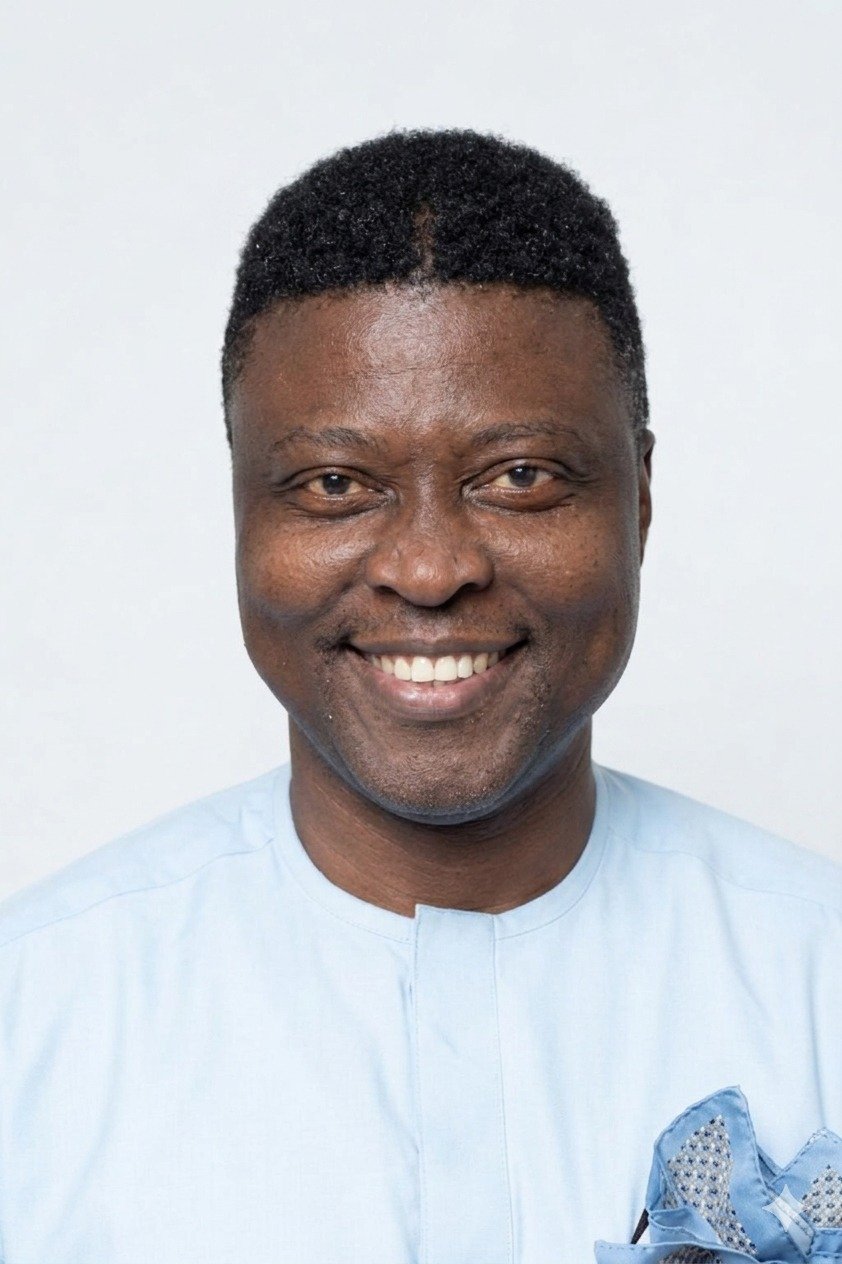
Dr. Joshua Awesome is a Coaching Psychologist/Executive and Business Performance Coach who has supported over 100,000 professionals across Africa and the globe. He can be reached via: joshua@africainmind.org


Previous Post

The Digital Bridge: Diaspora Nigerians, Generative AI and fuelling economic growth

Next Post

On the nature, quality of leadership and management

Next Post
Energy shortage and the pains of hunger

On the nature, quality of leadership and management

  • Trending
  • Comments
  • Latest

How UNESCO got it wrong in Africa

May 30, 2017

CBN to issue N1.5bn loan for youth led agric expansion in Plateau

July 29, 2025
MMA2 enters new commercial era after 20-year concession dispute

MMA2 enters new commercial era after 20-year concession dispute

August 28, 2026
NGX taps tech advancements to drive N4.63tr capital growth in H1

Insurance-fuelled rally pushes NGX to record high

August 8, 2025

6 MLB teams that could use upgrades at the trade deadline

Top NFL Draft picks react to their Madden NFL 16 ratings

Paul Pierce said there was ‘no way’ he could play for Lakers

Arian Foster agrees to buy books for a fan after he asked on Twitter

Methane rules spread across 67% of global production as Nigeria faces compliance test 

Methane rules spread across 67% of global production as Nigeria faces compliance test 

October 17, 2026
Onafriq, a pan-African payments company, is set to discontinue its Baxi agent banking business in Nigeria after five years, citing naira depreciation, rising operating costs and intensifying competition that have weakened the segment’s profitability. The planned shutdown will affect the agent banking operations conducted through Baxi under Onafriq Nigeria Payments Limited. However, the decision does not signal the company’s withdrawal from Nigeria, as it intends to retain its cross-border payments network and card issuing services in the country. In a statement, Onafriq said changes in Nigeria’s operating environment since 2024 had significantly altered the economics of its offline agent banking business, making the existing model unsustainable. The move marks a strategic shift for the company, which entered Nigeria’s agent banking market to expand access to financial services through a network of agents providing transaction services outside traditional bank branches. Onafriq attributed the decision to a combination of macroeconomic pressures and structural changes in the country’s payments industry. According to the company, naira depreciation and inflation have affected transaction volumes, increased operating expenses and undermined the sustainability of its agent banking operations. The growing adoption of instant account-to-account transfers has also changed the mix of transactions handled by agents, while heightened competition among payment service providers has put further pressure on margins. These developments have made it increasingly difficult for the business to remain viable under its existing operating structure, prompting the company to reassess its long-term strategy. Dare Okoudjou, founder and chief executive officer of Onafriq, said the decision to close the business was difficult, particularly given the efforts of employees, agents and business partners who helped build the Baxi network. “We entered Nigeria with conviction and commitment, but did not achieve the outcome we set out for. Closing this business was a difficult decision to arrive at, one that affects colleagues, agents, and business partners across Nigeria who poured their hearts and soul into building out the Baxi network,” Okoudjou said. Despite the closure, he reaffirmed the company’s commitment to the Nigerian market, noting that the group would continue to serve customers through its payments network and card issuing operations. Onafriq entered Nigeria’s agent banking market in 2021 through the acquisition of Baxi, also known as Capricorn Digital Limited. The company said it continued investing in the business through 2023, with efforts focused on expanding and strengthening its agent network. However, a subsequent review of the business’s long-term prospects and financial sustainability led to the decision to wind down the operation. As part of the transition, Onafriq said agents onboarded through the Baxi platform had been moved to another principal bank, a step intended to facilitate continuity for the affected agents. The company has also directed agents to transfer their funds to their preferred principal bank within 30 days, adding that its teams would provide support throughout the transition process. Employees whose roles are linked to the agent banking business will also be consulted and supported during the wind-down, with Onafriq pledging to treat affected workers fairly.

Onafriq winds down Baxi as Nigeria’s agent banking economics worsen

October 17, 2026
LCFE links petroleum trading to capital market in pricing transparency drive

LCFE links petroleum trading to capital market in pricing transparency drive

October 17, 2026
Copper rebounds to $14,480 as US tariff risks cloud price outlook

Copper rebounds to $14,480 as US tariff risks cloud price outlook

October 17, 2026

Popular News

  • How UNESCO got it wrong in Africa

    0 shares
    Share 0 Tweet 0
  • CBN to issue N1.5bn loan for youth led agric expansion in Plateau

    0 shares
    Share 0 Tweet 0
  • MMA2 enters new commercial era after 20-year concession dispute

    0 shares
    Share 0 Tweet 0
  • Insurance-fuelled rally pushes NGX to record high

    0 shares
    Share 0 Tweet 0
  • Glo, Dangote, Airtel, 7 others prequalified to bid for 9Mobile acquisition

    0 shares
    Share 0 Tweet 0
Currently Playing

CNN on Nigeria Aviation

CNN on Nigeria Aviation

Business AM TV

Edeme Kelikume Interview With Business AM TV

Business AM TV

Business A M 2021 Mutual Funds Outlook And Award Promo Video

Business AM TV

Recent News

Methane rules spread across 67% of global production as Nigeria faces compliance test 

Methane rules spread across 67% of global production as Nigeria faces compliance test 

October 17, 2026
Onafriq, a pan-African payments company, is set to discontinue its Baxi agent banking business in Nigeria after five years, citing naira depreciation, rising operating costs and intensifying competition that have weakened the segment’s profitability. The planned shutdown will affect the agent banking operations conducted through Baxi under Onafriq Nigeria Payments Limited. However, the decision does not signal the company’s withdrawal from Nigeria, as it intends to retain its cross-border payments network and card issuing services in the country. In a statement, Onafriq said changes in Nigeria’s operating environment since 2024 had significantly altered the economics of its offline agent banking business, making the existing model unsustainable. The move marks a strategic shift for the company, which entered Nigeria’s agent banking market to expand access to financial services through a network of agents providing transaction services outside traditional bank branches. Onafriq attributed the decision to a combination of macroeconomic pressures and structural changes in the country’s payments industry. According to the company, naira depreciation and inflation have affected transaction volumes, increased operating expenses and undermined the sustainability of its agent banking operations. The growing adoption of instant account-to-account transfers has also changed the mix of transactions handled by agents, while heightened competition among payment service providers has put further pressure on margins. These developments have made it increasingly difficult for the business to remain viable under its existing operating structure, prompting the company to reassess its long-term strategy. Dare Okoudjou, founder and chief executive officer of Onafriq, said the decision to close the business was difficult, particularly given the efforts of employees, agents and business partners who helped build the Baxi network. “We entered Nigeria with conviction and commitment, but did not achieve the outcome we set out for. Closing this business was a difficult decision to arrive at, one that affects colleagues, agents, and business partners across Nigeria who poured their hearts and soul into building out the Baxi network,” Okoudjou said. Despite the closure, he reaffirmed the company’s commitment to the Nigerian market, noting that the group would continue to serve customers through its payments network and card issuing operations. Onafriq entered Nigeria’s agent banking market in 2021 through the acquisition of Baxi, also known as Capricorn Digital Limited. The company said it continued investing in the business through 2023, with efforts focused on expanding and strengthening its agent network. However, a subsequent review of the business’s long-term prospects and financial sustainability led to the decision to wind down the operation. As part of the transition, Onafriq said agents onboarded through the Baxi platform had been moved to another principal bank, a step intended to facilitate continuity for the affected agents. The company has also directed agents to transfer their funds to their preferred principal bank within 30 days, adding that its teams would provide support throughout the transition process. Employees whose roles are linked to the agent banking business will also be consulted and supported during the wind-down, with Onafriq pledging to treat affected workers fairly.

Onafriq winds down Baxi as Nigeria’s agent banking economics worsen

October 17, 2026

Categories

  • Frontpage
  • Analyst Insight
  • Business AM TV
  • Comments
  • Commodities
  • Finance
  • Markets
  • Technology
  • The Business Traveller & Hospitality
  • World Business & Economy

Site Navigation

  • Home
  • About Us
  • Contact Us
  • Privacy & Policy
Business A.M

BusinessAMLive (businessamlive.com) is a leading online business news and information platform focused on providing timely, insightful and comprehensive coverage of economic, financial, and business developments in Nigeria, Africa and around the world.

© 2026 Business A.M

Welcome Back!

Login to your account below

Forgotten Password?

Retrieve your password

Please enter your username or email address to reset your password.

Log In
No Result
View All Result
  • Technology
  • Finance
  • Comments
  • Companies
  • Commodities
  • ONLINE & DIGITAL CONTENT PACKAGE

© 2026 Business A.M



