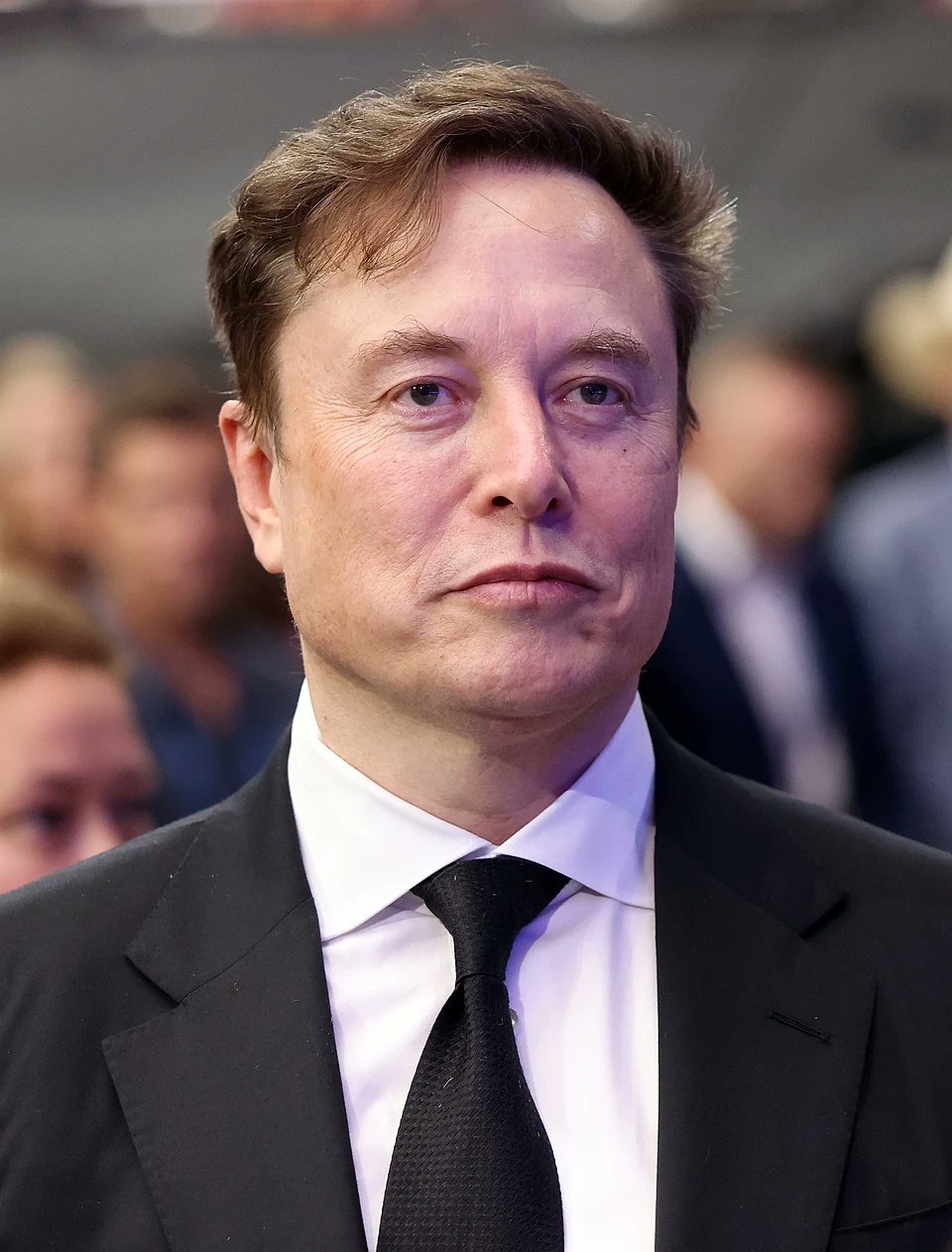
Elon Musk, the billionaire entrepreneur behind SpaceX and Tesla, has become the first person in history to surpass the $1 trillion net worth threshold after the successful public listing of SpaceX triggered an unprecedented surge in his wealth.
Financial reports indicate that Musk’s fortune climbed to an estimated $1.1 trillion following SpaceX’s stock market debut on June 12, marking a milestone never before achieved by an individual.
The rapid increase in wealth was largely driven by investor enthusiasm surrounding SpaceX’s initial public offering (IPO). The aerospace company debuted with a valuation exceeding $1.7 trillion and reportedly crossed the $2 trillion mark during its first day of trading, cementing its position among the world’s most valuable companies.
As the largest shareholder in SpaceX, Musk benefited significantly from the company’s soaring valuation. Combined with his substantial holdings in electric vehicle manufacturer Tesla and investments in several other ventures, the rally pushed his personal fortune into uncharted territory.
Musk has built an expansive business empire spanning space exploration, electric vehicles, artificial intelligence, social media, and infrastructure development. In addition to founding SpaceX and co-founding Tesla, he leads neurotechnology company Neuralink and tunneling venture The Boring Company. He also acquired social media platform X, formerly known as Twitter, in a $44 billion transaction.
The achievement further widens Musk’s lead over the world’s wealthiest individuals. Wealth analysts say no other billionaire is currently within reach of the trillion-dollar benchmark.
Matt Durot, deputy editor at Forbes Wealth, noted that the gap between Musk and the second-richest person in the world has expanded considerably, underscoring the scale of the wealth generated by the SpaceX listing.
The historic milestone has also renewed discussions about wealth concentration and economic inequality. Critics argue that the emergence of a trillionaire highlights growing disparities in global wealth, while supporters point to Musk’s entrepreneurial ventures as examples of innovation-driven value creation.
Market observers, however, caution that the bulk of Musk’s fortune remains tied to equity holdings rather than cash. As a result, fluctuations in the share prices of SpaceX, Tesla, and his other companies could significantly affect his net worth over time.
Even so, analysts describe the SpaceX IPO as a landmark event in both financial and corporate history, creating a wealth category that until recently was viewed as largely theoretical.
From co-founding internet software company Zip2 in the 1990s to building a portfolio of companies that have reshaped sectors ranging from transportation to space exploration, Musk’s rise is widely regarded as one of the most extraordinary wealth-creation stories of the modern era.