Oluwadara Omiyale
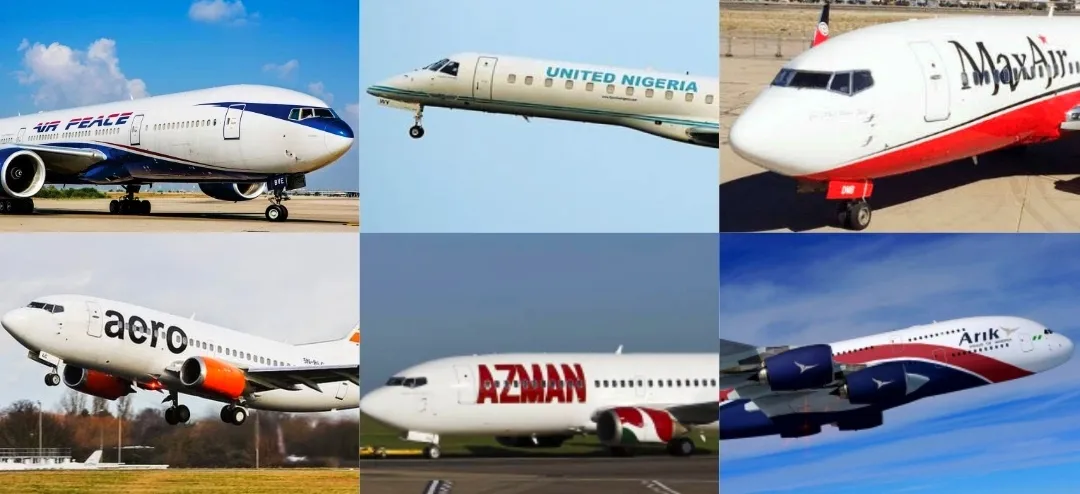
Nigerian airlines are relying on commercial bank loans to finance day-to-day operations as lending rates of up to 30 per cent and elevated operating costs continue to squeeze margins despite recent moderation in Jet A1 prices, raising concerns over the financial sustainability of the country’s aviation industry.
The growing dependence on short-term bank credit comes as airlines battle high borrowing costs, volatile operating expenses and persistent pressure on cash flows, forcing many operators to borrow billions of naira simply to purchase aviation fuel and keep aircraft in service.
Allen Onyema, Air Peace chairman, said domestic airlines have increasingly relied on commercial bank facilities to finance operations, including the purchase of aviation fuel, as rising operating costs continue to strain the industry’s finances.
He added that no Nigerian airline is smiling now, noting that recent geopolitical tensions have compounded operating pressures across the global aviation industry.
The industry’s financing challenge comes against a backdrop of commercial lending rates estimated at between 29 and 33 per cent, significantly higher than the single-digit borrowing costs available to many airlines in developed markets.
Although the price of Jet A1 has eased to between ₦1,600 and ₦1,700 per litre, following supplies from the Dangote Petroleum Refinery through marketers, the operators say fuel remains their single largest operating expense after prices climbed as high as ₦3,300 per litre earlier this year during heightened geopolitical tensions in the Middle East.
Industry data show that the cost of fuelling a single domestic flight has risen from roughly ₦3 million to between ₦12 million and ₦13 million, while aviation fuel now accounts for about 45 to 50 per cent of airlines’ operating costs.
Average fares on some domestic routes now hover around ₦120,000 for a one-hour flight as airlines struggle to recover rising operating costs, loan repayments and fuel expenses. Operators have also reduced flight frequencies on some routes to manage capacity and preserve cash.
The financial strain follows reports that domestic airlines absorbed an estimated ₦150 billion financial burden over a three-month period, money that industry stakeholders say could otherwise have supported aircraft maintenance, fleet renewal, safety improvements and business expansion.
Alex Nwuba, president of the Aircraft Owners and Pilots Association of Nigeria, described the figure as a direct drain on the industry’s growth capacity, warning that sustained financial pressure would continue to weaken operators’ ability to invest in safer and more efficient operations.
Members of the Airline Operators of Nigeria have also mentioned that many carriers are struggling to remain financially viable as operating costs continue to outpace revenue growth.
Beyond the immediate operational challenges, the industry’s growing reliance on commercial bank financing raises wider concerns for Nigeria’s aviation ecosystem. Borrowing to fund routine expenses rather than long-term investment leaves airlines more vulnerable to interest rate shocks, weakens profitability and limits their ability to expand fleets or open new routes.