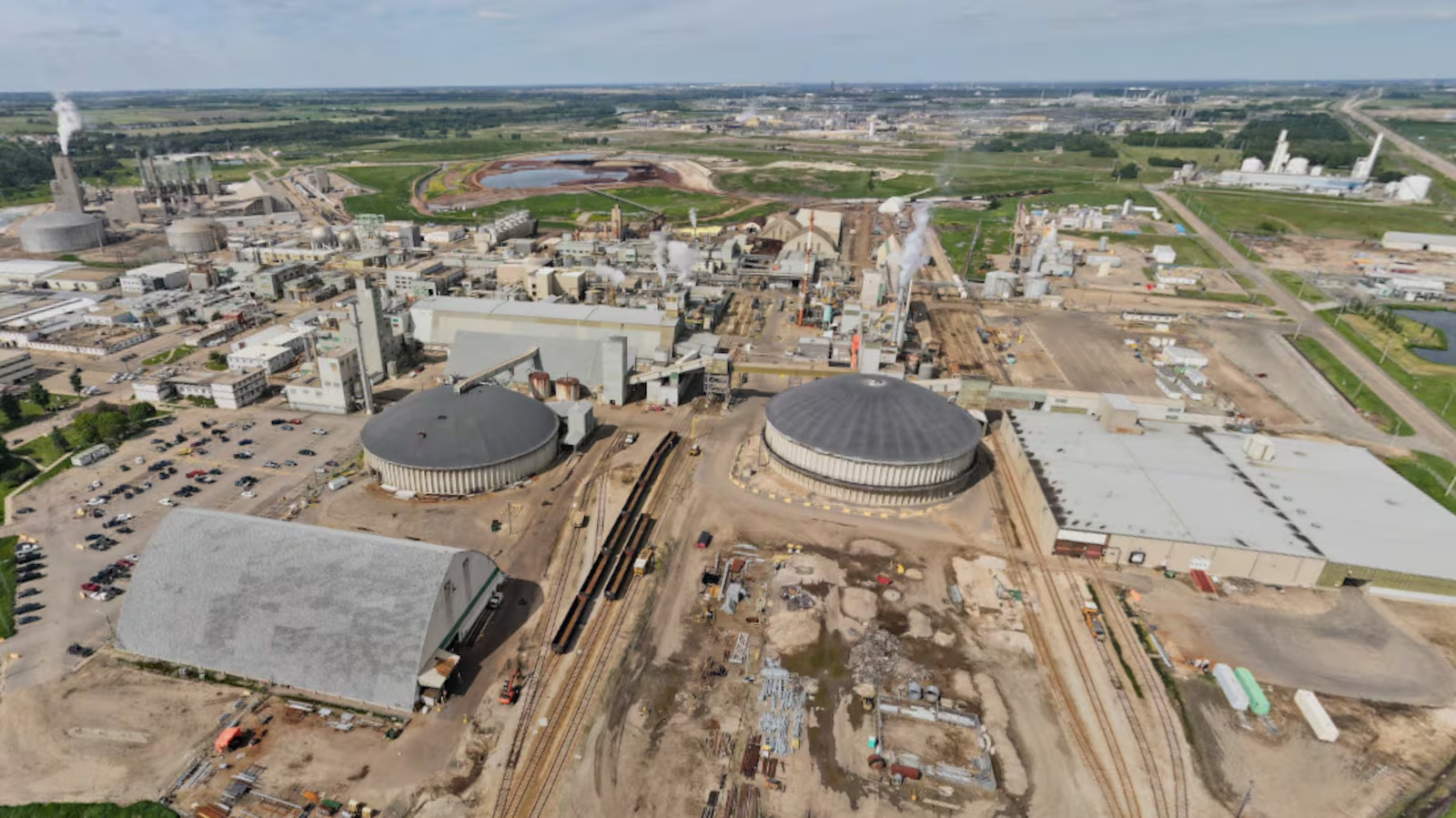
Sherritt International Corp. plans to temporarily lay off approximately 280 Canadian employees, representing 47 per cent of its workforce, as the company works to restore operations at its refinery in Fort Saskatchewan, Alberta.
The temporary layoffs are expected to last approximately 90 days and follow disruptions to the company’s refining operations caused by a shortage of feed inventory from its Moa mine in Cuba.
The company had previously suspended refining operations at its Alberta facility after supplies from the Cuban mine ran out, creating challenges for its production activities.
Sherritt Announces Temporary Layoffs for 280 Employees
According to Sherritt International, approximately 280 employees in Canada will be affected by the temporary workforce reduction. The figure represents nearly half of the company’s Canadian workforce.
The company expects the layoffs to remain in place for about three months while it works to address operational challenges and restore normal activities at its refinery.
Despite the workforce reduction, Sherritt confirmed that certain activities will continue throughout the layoff period.
These include the production and sale of ammonia fertilizer and sulphuric acid, alongside maintenance operations and ongoing environmental protection and workplace safety activities.
The continued operations indicate that the company intends to maintain essential industrial activities while addressing the supply constraints affecting its refinery.
Cuba Mine Disruptions Behind Alberta Refinery Shutdown
The operational challenges facing Sherritt are closely linked to disruptions at its Moa joint venture in Cuba.
The company relies on feed inventory from its Cuban mining and processing operations to support its refining activities in Alberta.
However, operations at the Moa joint venture were paused amid fuel shortages in Cuba, affecting the availability of materials needed for Sherritt’s Canadian refinery.
The situation worsened following restrictions on Cuba’s access to oil supplies from Venezuela by the United States in January 2026.
The resulting fuel shortages disrupted industrial activities and contributed to the suspension of operations at the Moa mine and processing facilities.
With feed inventory depleted, Sherritt was forced to halt refining operations at its Fort Saskatchewan facility earlier in the year.
US License Offers Potential Path to Restart Moa Operations
There may be some progress toward resolving the supply challenges.
Last month, Sherritt announced that it had received a licence from the US government authorizing the purchase and delivery of fuel to its Moa mine and processing operations in Cuba.
The authorization represents an important step toward potentially restarting operations at the joint venture.
However, the company noted that the licence is only the first in a series of emergency authorizations required before it can fully resume operations.
Further approvals will therefore be necessary before Sherritt can restore normal activities at its Cuban facilities and improve the supply situation affecting its Alberta refinery.
What the Layoffs Mean for Sherritt’s Canadian Operations
The temporary reduction in its Canadian workforce highlights the impact that international supply disruptions can have on industrial operations and employment.
With approximately 47 per cent of its Canadian employees affected, the layoffs represent a significant workforce adjustment for Sherritt as it navigates operational uncertainty.
The expected 90-day period provides a temporary timeline for the workforce changes, although the full restoration of operations will depend partly on the availability of fuel and the resumption of activities at the Moa joint venture.
Meanwhile, the continuation of ammonia fertilizer and sulphuric acid production, maintenance work and environmental protection activities suggests that some parts of the company’s Canadian operations will remain active.
Outlook for Sherritt International
Sherritt’s ability to restore normal refinery operations in Alberta will depend significantly on developments at its Cuban mining and processing facilities.
The recent US government licence provides a potential route for securing fuel supplies, but additional authorizations will be required before operations can fully restart.
For now, the company is proceeding with temporary layoffs affecting approximately 280 Canadian employees as it works through the operational challenges.
The coming months will be important in determining whether the required fuel supplies and regulatory approvals can be secured to support the restart of the Moa joint venture and the eventual restoration of refining operations in Fort Saskatchewan.
Source: The Canadian Press, November 4, 2026.