The new fiscal space for states
The removal of petrol subsidy and the alignment of the naira with market forces have created unprecedented fiscal room for Nigerian states. Before 2023, states struggled to pay salaries and pensions, often resorting to borrowing. Today, thanks to these reforms, the Federation Account Allocation Committee’s (FAAC’s) allocations to states in Nigeria have surged.
For context, the total FAAC disbursement to states in 2022 was ₦2.8 trillion, compared to ₦2.49 trillion in just the first seven months of 2026. This explosion in funding has allowed states to meet obligations effortlessly, unlike the pre‑2023 era when artificial FX rates distorted revenues and forced the federal government itself to borrow heavily from the Central Bank of Nigeria (CBN), fuelling inflation.
The risks of windfalls
Windfalls, when unplanned, often lead to waste. States risk spending on irrelevant projects or indulging in short‑term populism simply because “the money is there.” Citizens must therefore hold their governors accountable: if infrastructure does not improve, the fault lies with state leadership, not Abuja.
Infrastructure as the best subsidy
Unlike petrol subsidies, which largely benefited the connected elite, infrastructure is a universal subsidy. The 3rd Mainland Bridge in Lagos is a perfect example: rich and poor alike benefit from it daily. Subsidy removal should therefore translate into infrastructure that makes life easier for all citizens.
Discipline over resources
Accelerating infrastructure development is less about the size of resources and more about discipline and focus. Just as wealth creation for individuals depends on consistent investment rather than waiting to “get rich first,” states must adopt a disciplined approach to saving and investing in infrastructure.
State Infrastructure Development Funds (SIDF)
Each state should set up a State Infrastructure Development Fund (SIDF), seeded with part of the FAAC windfall and sustained by monthly deposits. This deliberate structure ensures:
- Dedicated funding for infrastructure projects.
- Investor confidence, as construction firms and financiers can see clear repayment plans.
- Transparency and accountability, reducing cost overruns and fraudulent contract revisions.
- Continuity across administrations, since projects backed by SIDF cannot be arbitrarily abandoned.
This model mirrors the sinking fund arrangements once common in project finance in my days in banking, where regular cash flows were dedicated to repaying long‑term loans.
Governance and expertise
For SIDFs to succeed, states must:
- Establish strong legal frameworks.
- Appoint credible boards with professional expertise.
- Partner with banks and financial institutions already setting up infrastructure funds.
Such guardrails will prevent misuse, attract co‑funding, and ensure projects are completed on time.
Nigeria’s states now have the fiscal opportunity to transform their infrastructure. But opportunity alone is not enough. Discipline, structure, and transparency are essential. By treating infrastructure as the true subsidy for citizens and institutionalising funding through SIDFs, states can deliver lasting economic and social benefits.
- business a.m. commits to publishing a diversity of views, opinions and comments. It, therefore, welcomes your reaction to this and any of our articles via email: comment@businessamlive.com

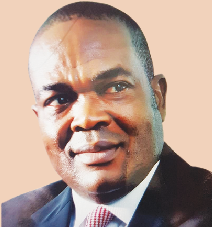
Victor Ogiemwonyi, a retired investment banker, is a former Governing Council member of the Nigerian Stock Exchange (NSE), now Nigerian Exchange Group (NGX Group). He sent this contribution from Ikoyi, Lagos. He can be reached via comment@businessamlive.com and marketconversations.substack.com