
Recently I was told about a woman who sent money to her children back home. She was upset, and she had good reason to be. Her own bank charged her eight dollars to send it. The bank on the receiving end then took another seven. Fifteen dollars gone before the money did what she meant it to do.
Nobody voted for that levy. No parliament set it and no budget committee debated it. It is collected by two institutions on behalf of no one in particular, and it falls on people who can least afford it. For her, it was a bad afternoon. Added up across millions of transfers, it is a large and quiet movement of wealth away from African families.
When people talk about Africa’s financing gap, they usually mean one number and one pot of money to fill it. In practice the money sits in three places: tax revenue, institutional savings and household remittances. Each has a different owner, different constraints and needs a different tool.
Revenue comes first, because it is the most political. Tax collection across much of the continent runs well below what comparable middle-income countries manage. Part of that is administrative, since informal economies are hard to reach and revenue authorities are often underfunded. A larger part is about who gets to avoid paying. Exemptions are negotiated quietly, well-connected firms rarely face the scrutiny a market trader does, and citizens who see little for their taxes have little reason to comply. In a number of countries, interest payments now take a bigger share of government income than health or education. So the tool has two handles: better collection, and lower debt service. That means restructurings that conclude in months rather than years, borrowing on terms a productive project can carry, and contracts that parliaments and the public can read.
Institutional savings are a different problem, because the money exists. Pension funds, insurers and banks hold large pools of assets, concentrated in South Africa but growing in Nigeria, Kenya, Ghana and Morocco. Most of it sits in government securities and bank deposits. Trustees are often called timid, but they are bound by fiduciary duty. If you cannot find a project with predictable cash flows, priced in the currency your members will be paid in, buying the treasury bill is the responsible thing to do.
Speeches urging pension funds to back infrastructure have been given for over twenty years and have moved very little. What moves money is a pipeline of projects prepared to a standard a trustee can underwrite, instruments issued in naira, shillings and cedis so that currency risk stays off the people who earn and owe in those currencies, and risk-sharing that takes the first loss or the political risk a pension fund cannot reasonably hold. Development finance institutions can do real good here by making the first few deals possible and stepping back once the market has seen them perform.
Remittances are the pool we talk about most sentimentally and understand least. Money sent home by Africans abroad now rivals or exceeds aid and foreign direct investment in several countries. It is private and steady, and it holds up in years when other flows fall away. Yet senders still lose a large slice to fees and poor exchange rates. Cheaper, regulated and interoperable channels are the first step, and they will meet resistance from the banks and operators who earn well from things as they are.
The second step is harder. Most remittances pay for food, school fees, rent and medicine, and that should not change. But some share could go into savings and investment if products were built around how families actually behave. A transfer could arrive with a school fee account already attached. A relative in Houston could buy a diaspora bond for the household back in Ibadan, or pay into a micro-pension for a parent who has spent her working life in the informal economy.
If these three pools are worked properly, a good part of what we call the gap closes without a donor involved. The state carries more of its own obligations, savings find projects worth financing, and household transfers start building balance sheets. What remains is the work markets will not fund at a price anyone can bear: early project preparation, the first-loss layer in a blended structure, basic services in fragile and conflict-affected places, and public goods whose returns cannot be invoiced. That is where aid and concessional finance should concentrate, because it is where they do what no other money will.
I call this investment governance. It is the discipline of deciding which kind of capital takes which risk, at which moment, so that outcomes last and relief does not simply repeat itself.
Aid spread thinly across things that markets or governments should handle delays all three pools from maturing. Aid aimed at the residual makes domestic finance possible and, over time, makes itself less necessary.
Every pool has people who benefit from the way things are now: a firm with a quiet exemption, an operator earning on transfer fees, a fund manager comfortable with a safe government yield. Reform will be slow for that reason.
So, I keep coming back to that woman. Two banks handled her money, and each took its share. Neither asked what she was trying to build for her children, or whether a small part of what she sent could stay and grow.
She was a source of fees, and nobody there thought of her as a saver or an investor. A transfer that costs a fraction of what she paid, and arrives with a savings account for school fees or a small pension in her mother’s name, would turn the same act of love into something that lasts. Multiply her by the millions who send money home every month and you have one of the largest pools of capital on the continent. Africa has the money to start. What we need to think about is a financial system willing to see her as more than a customer.
- business a.m. commits to publishing a diversity of views, opinions and comments. It, therefore, welcomes your reaction to this and any of our articles via email: comment@businessamlive.com

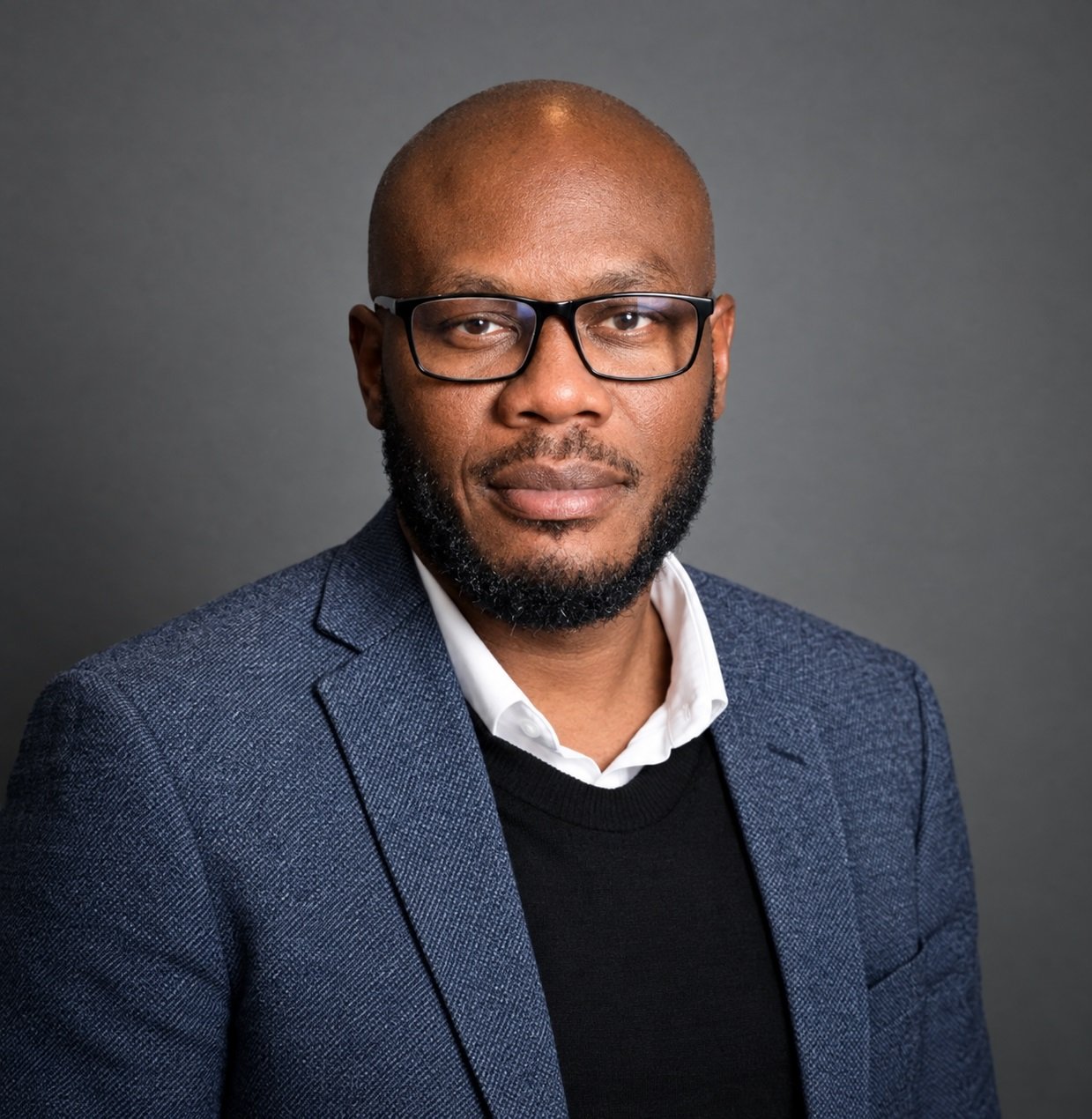
Dr. Wale Osofisan, PhD, is a seasoned governance strategist and policy analyst with over 23 years of experience advancing African-led, evidence-based solutions to political transitions, humanitarian crises and development challenges.




The fifteen dollars nobody voted for