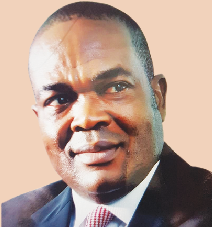
In a quiet corner of the Netherlands, a young Ghanaian man named Joseph Awuah-Darko is preparing for another dinner. The candles are lit, the plates aligned, and soon a stranger will arrive. Only one. They have never met before, yet tonight they will share a meal, exchange stories, and carry the unspoken weight of a man’s decision to end his life.
Joseph calls it The Last Supper Project. The name is deliberate — echoing the spiritual roots of the biblical Last Supper, where bread and wine symbolised both impending loss and the binding power of human connection. His reimagining replaces prophecy with presence, theology with touch. But unlike the gathering of many in scripture, Joseph’s project is intimate by design — each guest schedules their own dinner individually. One person. One table. One evening to make a human connection that might not otherwise happen.
Joseph is battling bipolar disorder and has relocated to the Netherlands to seek medically assisted death. The process could take years to approve, but in the waiting, he fills his time — and his table — with conversation, laughter, and the quiet dignity of shared humanity.
His story is not an anomaly. It mirrors the silent, complex battles faced by countless young people of African descent —on the continent and across the diaspora— who smile outwardly while privately negotiating with despair.
“The future of mental health in Africa lies not in access, but in anticipation. When we harness behavioural insights and unlock the silent signals in our data, we shift from crisis response to compassionate foresight.” – Dr Joshua Awesome
From crisis response to compassionate foresight
On International Youth Day, Joseph’s story weighs heavily on my mind.
Africa’s mental health crisis is well-documented: high suicide rates, a treatment gap exceeding 85 percent, and fewer than one psychiatrist for every 500,000 people in many countries.
But numbers miss the silent signals — behavioural cues, shifts in social engagement, subtle changes in digital activity, and hidden withdrawal patterns that, if detected early, could prevent tragedy.
Social science research shows young people are more likely to express distress indirectly — through altered language online, disrupted routines, or physical withdrawal — than through direct requests for help. We are not only facing a lack of infrastructure but also a data literacy gap in recognising early indicators of decline.
The art of anticipation
In behavioural science, signal detection theory teaches us to separate meaningful patterns from background noise. Applied to mental health, it means spotting distress before it escalates.
For Africa’s youth, such signals might include:
- Prolonged social media silence or sudden over-posting.
- Shifts in sleep or study habits.
- Withdrawal from communal or religious activities.
- Sudden generosity or giving away possessions.
If educators, communities, policymakers, and tech platforms were trained to notice these patterns, interventions could be proactive, not reactive. Joseph’s Last Supper Project embodies this principle — creating space for connection before someone reaches a breaking point.
Four reflections from the untold stories of Africa’s youth
- Mental health is interwoven with identity
For many African youth, identity is shaped by multiple and often conflicting forces — cultural expectations, global ideals, and personal ambitions. This tension deepens where mental illness is stigmatised or seen as spiritual weakness.
Call to action: Create safe spaces — online and offline — where youth can share struggles without fear of shame or exclusion. - Connection is a form of prevention
Social psychology confirms that belonging protects against suicidal thoughts, while loneliness accelerates decline. Joseph’s one-on-one dinners are not simply artistic expressions; they are behavioural interventions grounded in human connection.
Call to action: Fund community-based peer support programmes that train youth as mental health first responders. - Digital spaces are emotional thermometers
A young person’s online activity often reveals more than face-to-face interactions. Algorithms track what we buy — why not how we feel?
Call to action: Collaborate with African tech innovators to develop ethical AI tools that, with consent, can flag concerning behaviour and connect users to support. - Anticipation is cheaper than reaction
Crisis care — hospitalisation, lost productivity, long-term therapy — is far costlier than prevention. Anticipation saves both lives and resources.
Call to action: Shift funding toward predictive and preventive systems that embed behavioural science into schools, workplaces, and youth programmes.
A future worth building
Joseph’s pending fate in the Netherlands is both an indictment of systemic failure and a testament to the creative resilience of young Africans who humanise their pain. Rooted in one of history’s most intimate spiritual gatherings, The Last Supper Project reminds us that connection is not just comfort — it is survival.
The future of mental health in Africa will not be defined by access alone. It depends on whether we can anticipate quiet breaking points, recognise signals before they become cries for help, and meet young people not only in crisis but in their journey toward wholeness.
If we truly wish to honour our youth — not just on International Youth Day but every day — we must bridge the gap between data and compassion, insight and action. The stories are there, waiting to be heard. The signals are present, waiting to be seen. The question remains: Will we learn to listen in time?

Dr. Joshua Awesome is a Coaching Psychologist/Executive and Business Performance Coach who has supported over 100,000 professionals across Africa and the globe. He can be reached via: joshua@africainmind.org