
Turkana has gold, and it has girls who leave school far too early. For some time now I have been turning those two facts over together.
Artisanal miners already work the gold in Turkana, and the sector is ripe for formalisation and traceability. At the same time, dropout rates among girls in the county are high, and the infrastructure to keep them in school is thin. The usual habit is to treat these as two separate problems, one for the mining regulator and one for an education programme. I started asking what would happen if we designed them as one.
The idea I have been working on is simple to say. Help mining cooperatives formalise and certify their gold so it can be traced from the site to the buyer. Then ask international buyers who want responsibly sourced gold to pay a premium, and ring-fence that premium for girls’ scholarships, digital learning and mentorship. The money for the girls becomes part of the price of the gold from the first sale. It is not a donation that arrives later, if everyone remembers.
It is still a concept. I have not built it, and I will not pretend to have results I do not have. But working on it taught me something I keep coming back to. The order of the conversations matters. Cooperatives, buyers, education partners and government need to be at the same table before the first certified gram is sold, not after. Once the money is flowing and the arrangements have hardened, a girls’ education fund is a favour you ask for. At the start, it is a term of the deal.
That is why I care about a broader question: what happens to a community when a large investment arrives?
Most of us assume the answer is good news. Jobs, suppliers, new markets, a better road. Sometimes that is exactly what happens. But I have watched enough projects, in Kenya and in Nigeria, to know it is not automatic. In Turkana, where artisanal miners work some of Kenya’s gold, that question is not abstract for me.
When local businesses cannot win contracts, it is rarely because they are unwilling. It is usually because they lack finance, certification or the time to scale up before the contracts are awarded. When young people are left out of the jobs, it is usually because nobody trained them for the work while the project was still on paper. By the time the first trucks arrive, most of those patterns are already set.
This is the part I wish more people in my field would say plainly. The window that matters is early. The years before and during construction decide who supplies, who is trained and which local firms are ready. Philanthropy that turns up after the ribbon is cut is doing repair work. Philanthropy that turns up at the start is doing design.
Some of the largest foundations have been working their way towards this for a while. The Ford Foundation has used loans and equity alongside grants since 1968, through what it calls program-related investments. In 2017 it went further and committed up to $1 billion of its $12 billion endowment, over ten years, to mission-related investing. What was interesting to me was how its president described the problem. Like most foundations, he said, Ford’s programme work had sat almost entirely apart from the way it managed its money. Someone at the top admitted that two halves of the house were not talking to each other. That is a rare thing to hear, and it is the first step to fixing it.
The Mastercard Foundation took a different route. In 2018 it set itself the goal of helping 30 million young people into dignified work across Africa by 2030, and it chose to build that with governments, businesses, entrepreneurs and educators rather than simply fund it. In Kenya the 2019 launch was a partnership with the government and the private sector, backed by an initial KSh 30 billion. In Uganda the strategy says openly that it wants to build on the large public and private investment going into construction, through vocational training and finance for the small firms working in that sector. A foundation looked at a wave of investment and asked how local people and local firms could be ready for it.
I am not suggesting every foundation should copy either model. Ford is working with an endowment. Mastercard is working at a scale few can match. But the instinct behind both is the same, and it travels well. Treat investment as an opening, not a backdrop.
There is one condition I would insist on. Philanthropy that follows investment must stay independent of it. The moment it looks like the public relations arm of a company, communities will see it for what it is and trust will go. The goals need to be clear, the measures need to be honest, and the people living next to the project need a real say. I have spent most of my career on governance, and I have learned that credibility is built in how decisions are made, long before anyone sees the results.
African philanthropy is growing in confidence and in size. I would like to see it define its own approach to this, one that is comfortable sitting next to private capital without being captured by it. The tools are there. What is missing, most of the time, is the invitation.
If I could change one habit, it would be the calendar. Ask the foundation to the first planning meeting, not the opening ceremony. In Turkana, that means a gold cooperative and a girls’ school sitting at the same table before the first certified ounce is sold.
So here is my invitation. If you run a foundation, ask what you are doing in the years before the next major investment lands in your region, not the year after. If you are an investor or a developer, bring philanthropic and community partners into the planning room while the terms are still open. If you work in government, build that table into the licence and the permit, not the press release. And if you have tried this and got it right, or wrong, I would like to hear from you. The conversations worth having are the ones that start before the first brick.
- business a.m. commits to publishing a diversity of views, opinions and comments. It, therefore, welcomes your reaction to this and any of our articles via email: comment@businessamlive.com

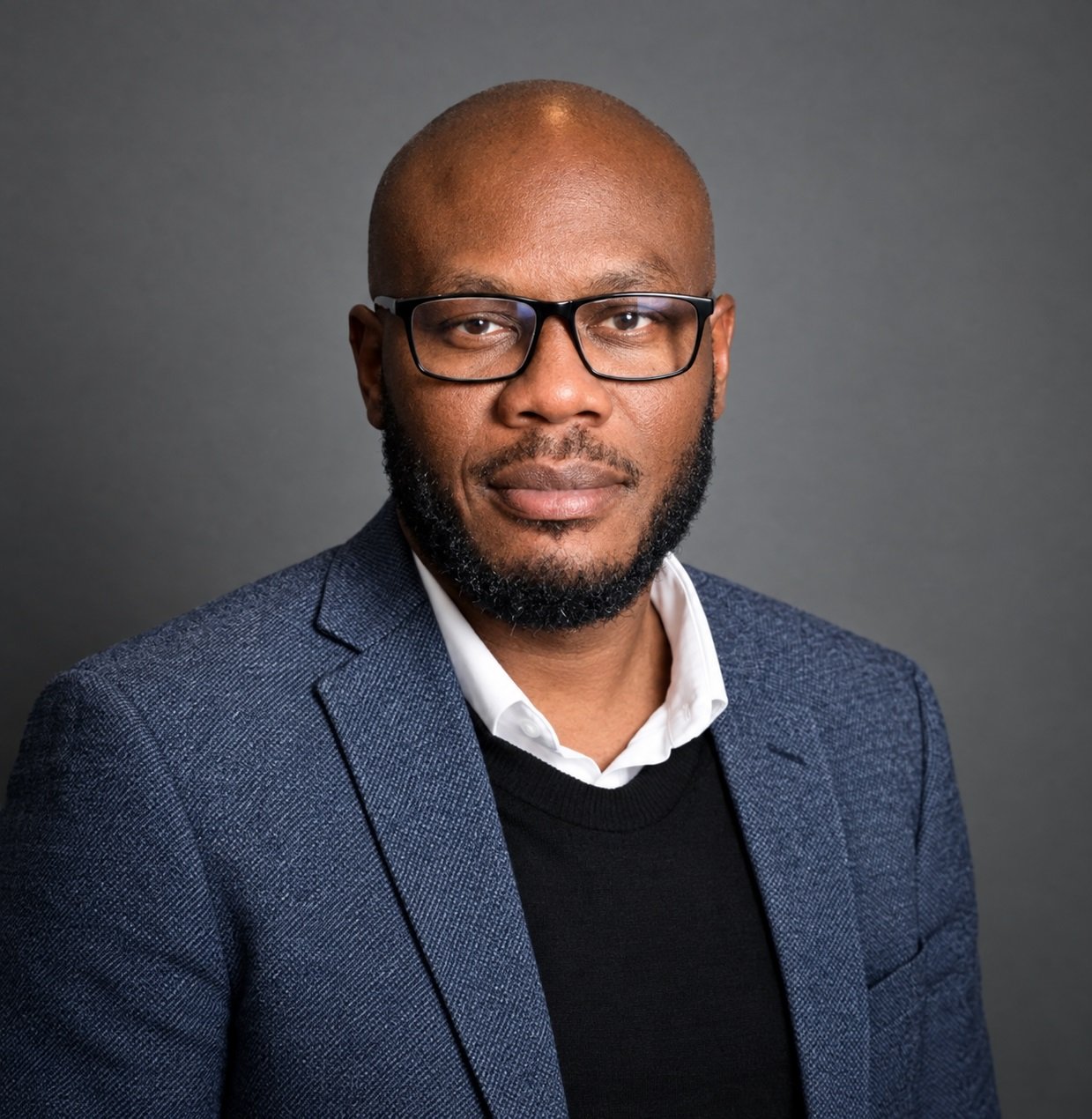
Dr. Wale Osofisan, PhD, is a seasoned governance strategist and policy analyst with over 23 years of experience advancing African-led, evidence-based solutions to political transitions, humanitarian crises and development challenges.







Turning energy investment into lasting economic value in Africa