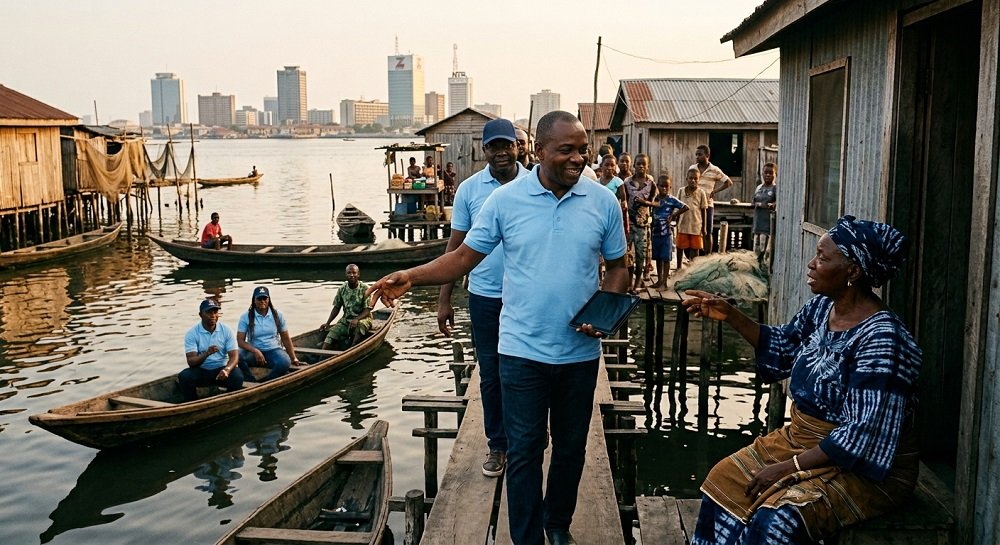
Lagos State is turning to its network of local governments and Local Council Development Areas (LCDAs) to uncover and commercialise tourism and cultural assets that could expand economic activity beyond the state’s established entertainment centres and seasonal December festivities.
The state government is asking councils and local communities to identify heritage sites, festivals and other cultural attractions within their areas that can be developed and promoted as tourism destinations.
Idris Aregbe, special adviser to the Lagos State governor on tourism, arts and culture, outlined the plan at a stakeholder engagement with representatives of local governments, LCDAs and communities in Victoria Island.
According to Aregbe, many tourism and cultural attractions across Lagos remain largely unknown, including to residents of the state. He said local councils have an important role to play in identifying such assets, preserving them and helping to promote them as part of Lagos’ wider tourism offering.
The strategy places the state’s 20 local governments and 37 LCDAs at the centre of efforts to discover and develop tourism opportunities across communities, potentially widening the geographical spread of visitor spending.
A festival, heritage site or cultural experience must attract visitors before it can become a meaningful source of tourism income. That means providing information about the attraction, ensuring accessibility and developing the services visitors need.
Transport operators, restaurants, hotels, tour operators, retailers and other small businesses could benefit as visitor traffic begins to flow into communities that currently receive limited tourism spending.
A cultural festival that attracts mainly people from its host community, for instance, could generate significantly more commercial activity if visitors from other parts of Lagos and outside the state begin attending.
More visitors would potentially translate into greater demand for transportation, food, accommodation, entertainment and other services.
The same economic challenge applies to heritage sites and other cultural attractions that lack promotion and basic visitor facilities. Without visibility, accessibility and supporting infrastructure, many could remain unknown outside their immediate communities.
This is one of the gaps the Lagos State Government wants local councils and communities to address.
Aregbe said the councils should take responsibility for identifying tourism assets within their jurisdictions and working towards their preservation and promotion.
The major objective is to create tourism activity that extends beyond Lagos’ popular entertainment districts and reduces the sector’s dependence on the December festive season.
A visitor travelling to a community for a festival, cultural experience or heritage attraction may spend money across several businesses during a trip, from transport providers and food vendors to hotels, retailers and tour operators.
However, the economic value of the initiative will depend largely on whether the attractions identified by the councils can be developed into destinations that people genuinely want to visit and where businesses are equipped to serve them.
Carlos Rojas-Arbulu, Canada’s deputy high commissioner to Nigeria, who attended the engagement, also spoke about the tourism, arts and cultural opportunities available in Lagos.
His participation points to the potential for presenting Lagos’ cultural and tourism assets to audiences beyond Nigeria and attracting a wider international visitor base.
However, industry growth will require more than promotion.
Roads and transport connections, security, cleanliness, accommodation and reliable visitor information are among the factors that can determine whether tourists choose to visit an attraction and whether they return.
For the local councils, the immediate task will be to identify what their communities have to offer and work with the state government, residents and private businesses to develop those assets.
If the plan succeeds, tourism activity could spread to more parts of Lagos, opening new markets for businesses and allowing communities with previously overlooked cultural assets to participate more directly in the state’s visitor economy.
The challenge for Lagos, however, will be moving from identifying attractions to building commercially viable destinations around them.
That transition will determine whether the state’s cultural assets remain local landmarks or become productive economic assets capable of generating jobs, supporting small businesses and attracting spending from visitors across Nigeria and beyond.