Onome Amuge
Lagos has cemented its reputation as Africa’s design and cultural capital as Design Week Lagos (DWL) 2025 concluded one of its most ambitious editions yet. The six-day celebration transformed the city into a memorable showcase of African innovation, artistry, and design-led enterprise.
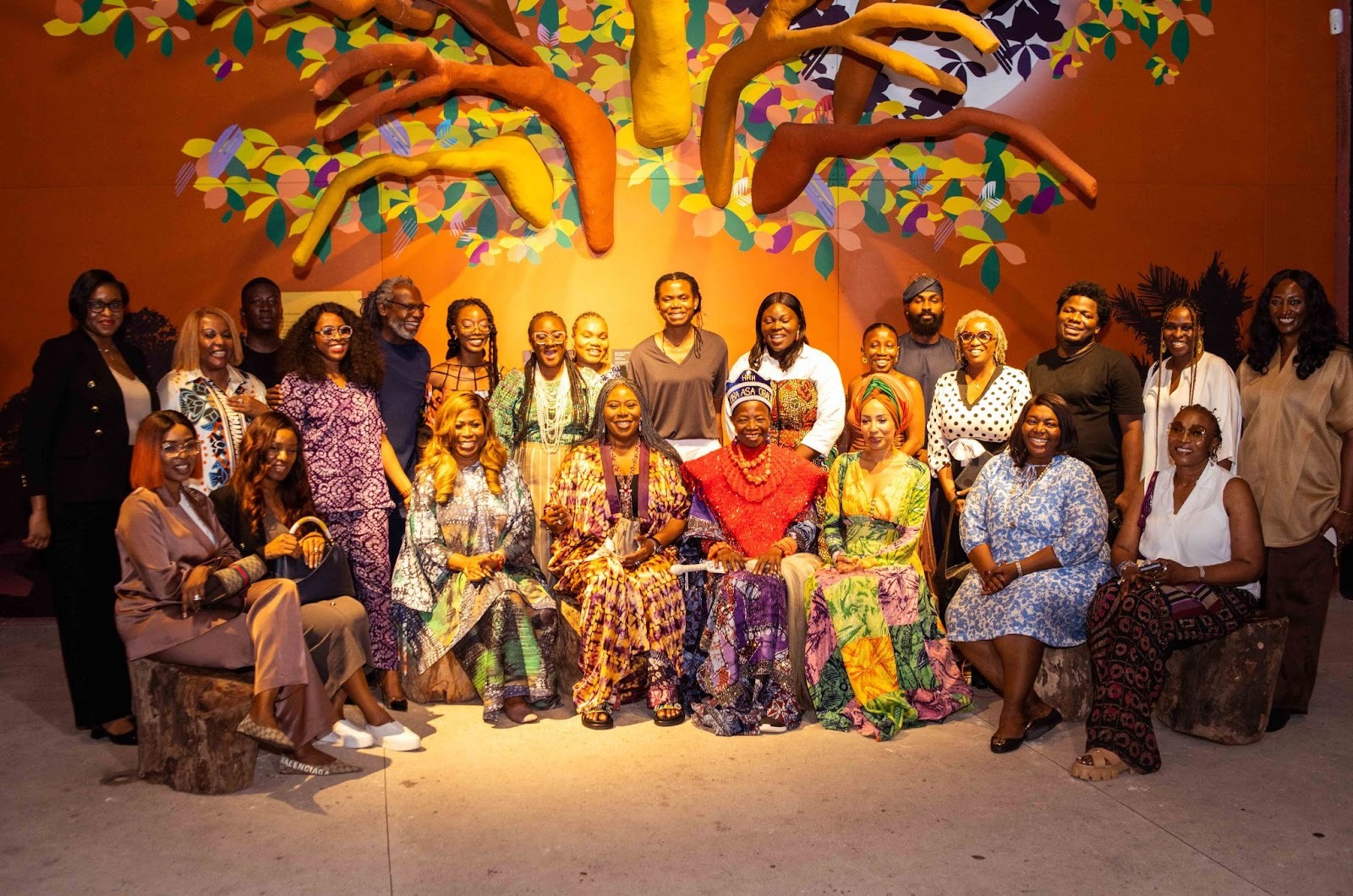
Held from October 23–28 under the theme “Made in Africa: Shaping Industries, Shaping Futures,” the festival brought together a dynamic mix of designers, architects, artists, and policymakers from across the continent and beyond. More than 100 installations, exhibitions, and partner activations animated Victoria Island, Ikoyi, Lekki, and Yaba, turning Lagos into what organisers called “a city-wide conversation between tradition and transformation.”
Speakers included Bibi Seck, co-founder of Birsel + Seck; Victoria Adesanmi, design director at Netflix; Myles Igwebuike, founder of Studio Elementals; Yew Kee Cheong, president of the American Institute of Architects; and Astrid Hébert, CEO of 3C Awards. Together, they explored Africa’s growing design identity and its role in reshaping industries, from architecture and interiors to technology and product design.
Central to the festival’s programme were the Design + Innovation Exhibition and the Made by Design Show, both of which presented a spectrum of established studios and rising creative voices. Surrounding these flagship showcases were standout events including Roots & Resilience at the Federal Palace Hotel, Design Intersect 2025 at Soto Gallery, and the unveiling of the Institute of Professional Interior Designers & Product Inventors (IPIDPI) at Alliance Française — an initiative marking a significant step forward for Nigeria’s growing design ecosystem.
The newly formed IPIDPI, announced on October 27, is set to serve as the professional and regulatory body for interior designers and product inventors in Nigeria. It will oversee certification, education standards, and ethics, aiming to formalise a sector long characterised by informal practices and fragmented training.
“This launch represents a new chapter for design as a profession in Nigeria. By institutionalising standards and investing in education, we’re building an ecosystem that can compete globally while reflecting our cultural identity,” said Titi Ogufere, founder of Design Week Lagos and president of the Interior Designers Association of Nigeria.
The festival also spotlighted the next generation of African designers through its Student Design Competition, held in partnership with Caverton Marine, which challenged participants to rethink maritime mobility, considered a nod to Lagos’s unique geography and transport challenges.
DWL 2025 was officially opened by Toke Benson-Awoyinka, Lagos State’s commissioner for tourism, arts, and culture, who dwelled on the state’s support for the creative economy as a driver of job creation and global visibility. “Design Week Lagos exemplifies how creativity and enterprise can converge to build industries that redefine how the world sees Africa,” she said.
Anchored by the Lagos State Government and supported by the Federal Ministry of Tourism, this year’s edition marked a milestone in the city’s ambition to become a global creative hub. According to organisers, attendance figures surpassed those of previous years, drawing visitors and investors from Europe, Asia, and the Middle East.
Reflecting on the festival’s trajectory, Ogufere described the 2025 edition as a tipping point.
“It has been an extraordinary journey since our debut in 2019. This year reaffirmed our belief that design is not just about aesthetics — it’s about shaping economies, industries, and futures. The momentum behind DWL shows that design tourism can become a genuine economic pillar for Nigeria and Africa at large,” she said.
As the festival closed, the mood among participants was one of optimism and ambition. Beyond the exhibitions and discussions, DWL 2025 showcased the maturing commercial ecosystem around African design, ranging from export-ready products to collaborative ventures with international brands.
Participants were also convinced that in the process, Lagos has strengthened its standing as Africa’s creative capital and emerged as a major hub in the global design economy, where craftsmanship, commerce, and culture converge with growing intensity.