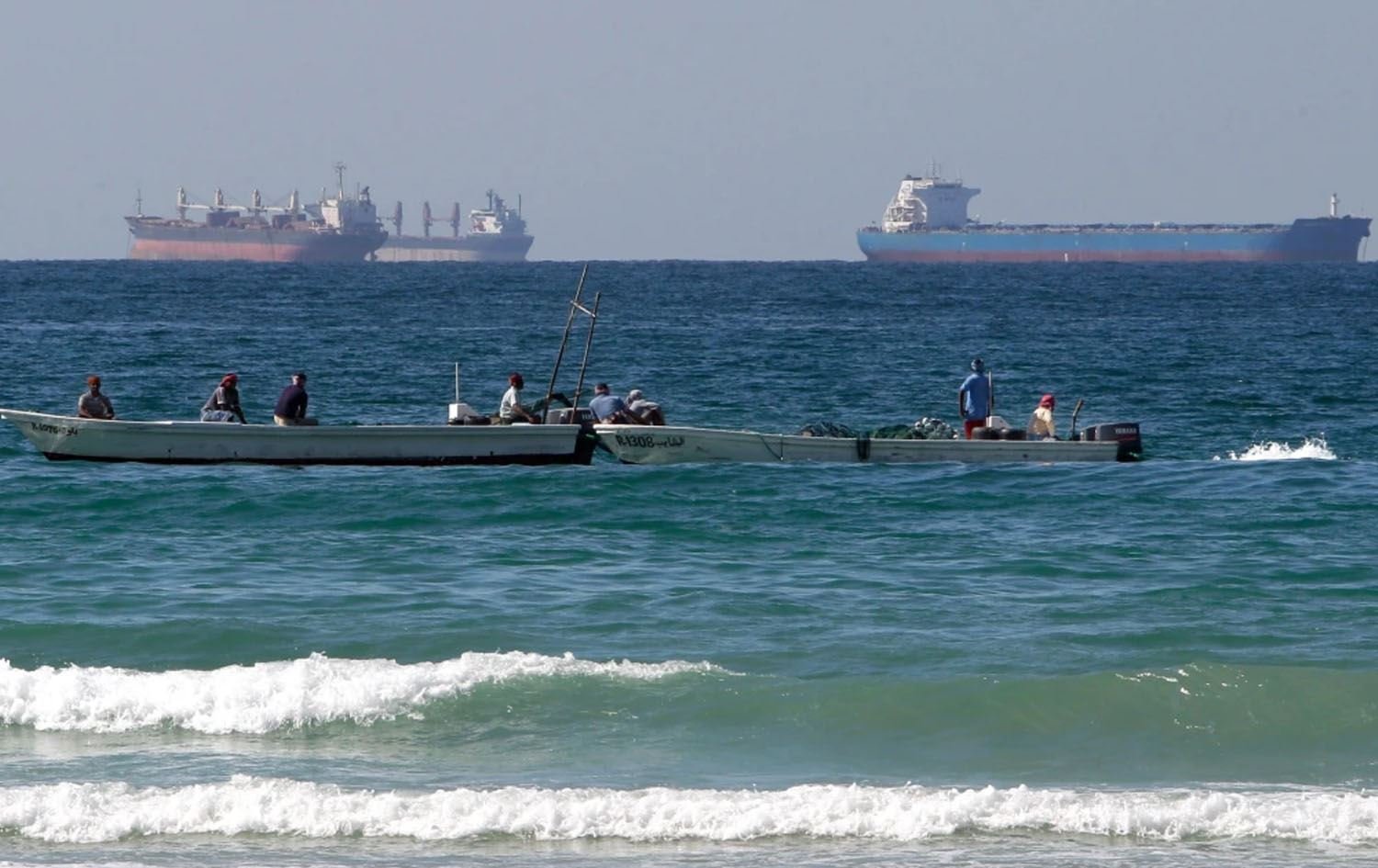
Hormuz crisis triggered by the Iran war and its impact on maritime activity through the Strait of Hormuz has intensified repricing across global war risk, marine and specialty insurance markets, while exposing deep structural weaknesses in concentrated global risk capacity.
According to an insight from Oxford Business Group (OBG), the disruption has revealed limitations in private insurance markets that predate the conflict itself, particularly the heavy centralisation of geopolitically exposed risk in a small number of institutions and markets.
Within days of the outbreak of conflict in late February 2026, war risk premiums across the Gulf surged by about 500 percent, making transit through the corridor economically unviable for most commercial operators. The shock was compounded by swift withdrawal of coverage, as the world’s major protection and indemnity clubs cancelled war risk cover in the region, while Lloyd’s Joint War Committee redesignated the area as a conflict zone.
OBG noted that the speed of the retreat exposed a structural misjudgment within global insurance markets, where the disruption had been treated largely as a remote tail risk rather than a scenario requiring dedicated underwriting capacity.
Although the sector entered 2026 with strong reinsurance capital following years of solid underwriting returns, that capacity was heavily concentrated in a limited number of markets. When those institutions pulled back simultaneously, the resulting gap had immediate consequences for energy flows, logistics systems and broader global trade stability.
Sovereign intervention reshapes risk backstops
In response to the disruption, the US government directed its International Development Finance Corporation to collaborate with domestic insurers in establishing a reinsurance facility covering tens of billions of dollars in hull, cargo and liability exposure. The intervention was designed to stabilise commercial shipping through the affected corridor.
ALSO :Obasanjo throws cold water on NNPC refinery comeback
OBG highlighted that this development reflects a growing precedent of sovereign involvement in underwriting geopolitical risk, with implications for how future insurance capacity is structured and distributed.
The report added that global specialty insurance, including marine, political risk and trade credit, is projected to triple by the mid-2030s as geopolitical events become more frequent and complex.
Emerging markets step into structural gaps
The crisis, however, is also accelerating the emergence of new regional players seeking to build capacity in risk pricing and intermediation.
Turkey is positioned as one of the key beneficiaries of this shift. With gross written premiums exceeding $25 billion, it represents the largest insurance market between the Middle East and Europe, providing scale for reinsurance partnerships and foreign capital inflows.
OBG noted that Turkey’s historical experience with foreign ownership, combined with recent macroeconomic stabilisation and a sovereign rating upgrade from Moody’s, has strengthened conditions for renewed international engagement. Its geographic position at the intersection of key trade corridors affected by the Hormuz disruption further enhances its role in marine, cargo, political risk and trade credit insurance.
Kenya, meanwhile, is advancing through a different structural pathway anchored in reinsurance development. Kenya Re has built a diversified portfolio spanning Africa, Asia and the Middle East, supported by a mandatory cession framework that ensures stable domestic premium flows.
Combined with Nairobi’s position as East Africa’s financial hub, this institutional base is enabling Kenya to expand its intermediary role as insurance penetration across Africa remains low but gradually expanding.
OBG noted that African insurance markets are entering this period of volatility from a relatively resilient position, with well-capitalised institutions expected to respond through more disciplined underwriting rather than market withdrawal.
At the same time, regulatory integration across East Africa, including financial technology passporting arrangements between Kenya and Rwanda, is creating infrastructure for deeper regional insurance connectivity.
Ultimately, the report concluded that geopolitical volatility has exposed the fragility of concentrated global risk capacity while simultaneously creating both the demand and incentive for a more geographically distributed insurance system, one in which markets such as Turkey and Kenya are increasingly well positioned to play a central role.