RUA signs cross-border deals as Makkah real estate scheme goes global

Onome Amuge

RUA AlHaram AlMakki, the Public Investment Fund-owned master developer behind one of Makkah’s most ambitious regeneration schemes, has signed a string of cross-border partnership agreements as it seeks to draw religious-tourism capital from Muslim-majority economies and high-net-worth investors into the holy city’s fast-expanding real estate sector.

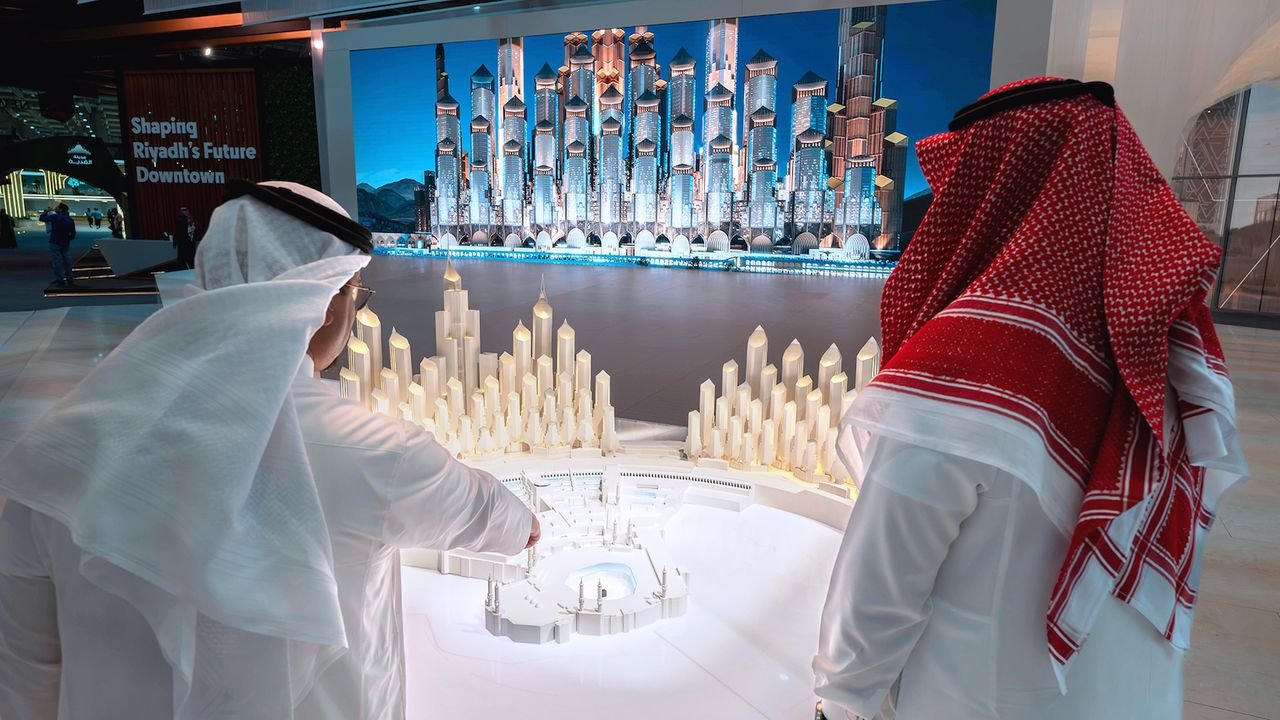
The company, a Foundation Partner of next year’s Cityscape Global expo, announced six memorandums of understanding with partners from Saudi Arabia, Indonesia, Malaysia, Brunei and the US, marking its most coordinated international outreach yet for its flagship King Salman Gate development. The mixed-use project, located adjacent to the Grand Mosque, is central to Saudi Arabia’s attempts to modernise Makkah’s built environment while expanding its capacity to host millions of pilgrims annually.

RUA’s pivot toward Asian Hajj funds and foreign real estate brands is considered a shift toward a more internationalised investment model. Executives familiar with the strategy say it reflects a broader effort to align the city’s long-term growth with the financial ecosystems of countries that send the largest numbers of pilgrims to Makkah each year.

At Cityscape Global in Riyadh, Indonesia’s Hajj Financial Management Agency (BPKH) signed two separate MoUs with the developer. The agreements cover both strategic investment assessments within King Salman Gate and a review of future collaboration opportunities in the company’s planned urban dining and hospitality components. BPKH manages billions of dollars in Hajj savings contributed by Indonesian pilgrims, making it one of the world’s largest pools of faith-based tourism capital.

Malaysia and Brunei also featured prominently in RUA’s outreach. Malaysian Resources Corporation Berhad, a government-linked property and infrastructure group, agreed to explore a joint venture on elements of the project. Brunei’s Islamic trust fund, TAIB, signed a general investment MoU focused on one of RUA’s plots in Makkah. For both countries, the agreements mark one of the highest-profile Saudi real estate engagements in recent years tied directly to Hajj and Umrah demand.

Saudi Arabia’s Osool, an investment and asset management firm, also signed an MoU to examine potential roles in the development, highlighting continued domestic institutional interest in the megaproject.
RUA also announced a partnership with Forbes Global Properties, becoming the first developer worldwide to join the media brand’s real estate network. The collaboration is expected to position parts of the King Salman Gate development before international ultra-high-net-worth buyers.

The agreements come as the kingdom accelerates its Vision 2030 diversification push, with religious tourism identified as a pillar sector expected to deliver tens of millions of annual visitors by the end of the decade. Saudi officials argue that modernising the urban fabric around the Grand Mosque, historically constrained by dense, ageing neighbourhoods, is essential to meeting future demand.

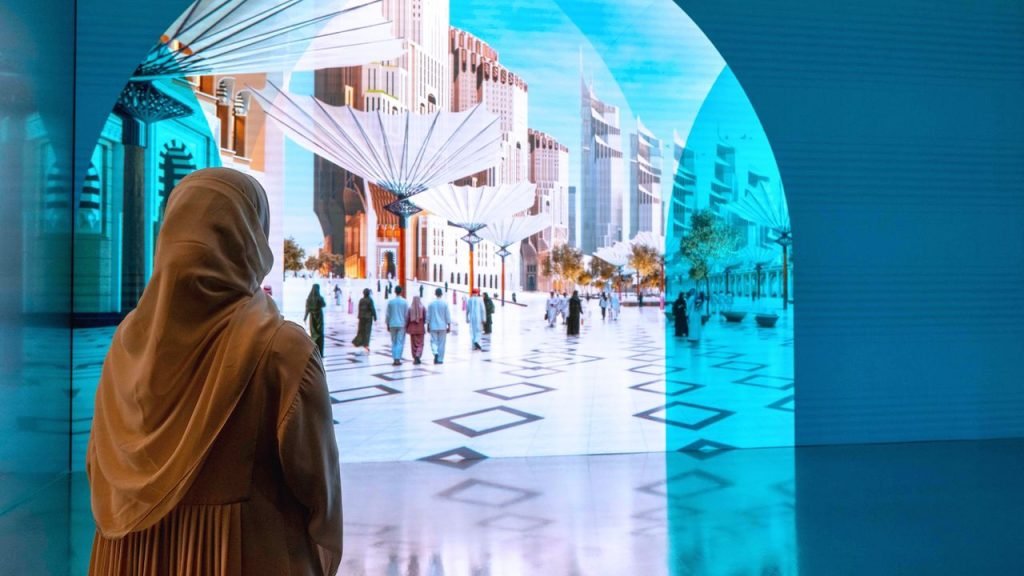
RUA says the MoUs mark a “pivotal milestone” in the evolution of King Salman Gate, which aims to combine mixed-use residential, hospitality, retail and cultural spaces while preserving the city’s heritage. The developer emphasised that it will continue to court international partners as it moves into the next phase of design and implementation.

Leave a Comment

RUA signs cross-border deals as Makkah real estate scheme goes global

Onome Amuge

RUA AlHaram AlMakki, the Public Investment Fund-owned master developer behind one of Makkah’s most ambitious regeneration schemes, has signed a string of cross-border partnership agreements as it seeks to draw religious-tourism capital from Muslim-majority economies and high-net-worth investors into the holy city’s fast-expanding real estate sector.

The company, a Foundation Partner of next year’s Cityscape Global expo, announced six memorandums of understanding with partners from Saudi Arabia, Indonesia, Malaysia, Brunei and the US, marking its most coordinated international outreach yet for its flagship King Salman Gate development. The mixed-use project, located adjacent to the Grand Mosque, is central to Saudi Arabia’s attempts to modernise Makkah’s built environment while expanding its capacity to host millions of pilgrims annually.

RUA’s pivot toward Asian Hajj funds and foreign real estate brands is considered a shift toward a more internationalised investment model. Executives familiar with the strategy say it reflects a broader effort to align the city’s long-term growth with the financial ecosystems of countries that send the largest numbers of pilgrims to Makkah each year.

At Cityscape Global in Riyadh, Indonesia’s Hajj Financial Management Agency (BPKH) signed two separate MoUs with the developer. The agreements cover both strategic investment assessments within King Salman Gate and a review of future collaboration opportunities in the company’s planned urban dining and hospitality components. BPKH manages billions of dollars in Hajj savings contributed by Indonesian pilgrims, making it one of the world’s largest pools of faith-based tourism capital.

Malaysia and Brunei also featured prominently in RUA’s outreach. Malaysian Resources Corporation Berhad, a government-linked property and infrastructure group, agreed to explore a joint venture on elements of the project. Brunei’s Islamic trust fund, TAIB, signed a general investment MoU focused on one of RUA’s plots in Makkah. For both countries, the agreements mark one of the highest-profile Saudi real estate engagements in recent years tied directly to Hajj and Umrah demand.

Saudi Arabia’s Osool, an investment and asset management firm, also signed an MoU to examine potential roles in the development, highlighting continued domestic institutional interest in the megaproject.

RUA also announced a partnership with Forbes Global Properties, becoming the first developer worldwide to join the media brand’s real estate network. The collaboration is expected to position parts of the King Salman Gate development before international ultra-high-net-worth buyers.

The agreements come as the kingdom accelerates its Vision 2030 diversification push, with religious tourism identified as a pillar sector expected to deliver tens of millions of annual visitors by the end of the decade. Saudi officials argue that modernising the urban fabric around the Grand Mosque, historically constrained by dense, ageing neighbourhoods, is essential to meeting future demand.

RUA says the MoUs mark a “pivotal milestone” in the evolution of King Salman Gate, which aims to combine mixed-use residential, hospitality, retail and cultural spaces while preserving the city’s heritage. The developer emphasised that it will continue to court international partners as it moves into the next phase of design and implementation.

[quads id=1]

Get Copy

Leave a Comment