Despite occupying just 3,577 square kilometers —less than 0.4 percent of Nigeria’s landmass — Lagos is an economic titan. It houses 8.0 percent of the nation’s 220 million people, consumes a quarter of grid electricity, and boasts a $259 billion PPP GDP — accounting for 15 percent of the national total.
Yet, power remains a massive bottleneck to its economic growth and development. While Nigeria’s fragile grid struggles to deliver just 5,000MW nationwide, Lagos is building an independent, sub-national market to secure a reliable 4,000MW capacity. It is a bold move — effectively constructing a state-level power system that rivals the capacity of the present entire national grid.
A market, not just a policy
The Lagos Integrated Electricity Policy (IEP) may therefore be one of the most consequential economic reform initiatives undertaken by any Nigerian state in recent years. While it is presented as a roadmap for delivering reliable and sustainable electricity, its true significance lies in the market it seeks to create.
At its core, the policy establishes the framework for a Clean Lagos Electricity Market (CLEM) – a private sector-led electricity ecosystem designed to deliver universal access to electricity by 2030 while attracting investment across the entire power value chain.
The economics of reliable power
Today, Lagos businesses and homes operate one of Africa’s largest diesel-generator economies, spending hundreds of billions of Naira annually on self-generation. Transitioning this captive demand to a reliable 4GW capacity state grid supply unlocks an immense financial opportunity.
Delivering this 4GW capacity results in an electricity supply of roughly 35 billion kilowatt-hours annually. At current Band A tariffs (₦225/kWh), this translates into ₦7.9 trillion ($5.6 billion) in annual revenue. At a cost-reflective tariff of ₦250/kWh, revenues climb to ₦8.8 trillion and soaring past ₦10.5 trillion ($7.5 billion) if tariffs hit ₦300/kWh. This underscores a massive, commercially viable sub-national market ready for investment.
Bigger than Nigeria’s existing power market
To appreciate the scale of this opportunity, NERC’s Q1 2025 report shows that electricity generation companies invoiced the eleven Nigerian distribution companies approximately ₦906.8 billion through the Nigerian Bulk Electricity Trading (NBET) framework during the quarter. On an annualized basis, that translates to roughly ₦3.6 trillion worth of electricity supplied into Nigeria’s regulated electricity market.
In effect, Lagos is seeking to create within a single state an electricity market whose annual commercial value could be between two and three times larger than the current value of electricity supplied into the entire Nigerian market. The implication is profound: a single well-regulated state electricity market could become commercially larger than the current market serving over 220 million Nigerians.
Where the investment opportunities lie
For investors, the opportunities span the entire value chain:
Generation: Utility-scale, embedded, industrial captive, and renewable energy projects.
Gas infrastructure: Powering a 4GW market requires roughly 0.7 billion cubic feet of gas daily, unlocking major investments in gas processing, transport, and storage.
Renewables: The policy actively prioritizes solar PV, mini-grids, rooftop solar, and waste-to-energy projects.
Distribution: This offers the most immediate potential. While IE Energy Lagos (formerly Ikeja Electric- IE) and Excel Electricity Distribution (formerly Eko Electricity Distribution Company -EKEDC) serve the state, the network requires massive expansion, upgrades and modernisation.
Immediate needs in the market include substations and distribution lines upgrade and expansion, smart metering, SCADA systems, grid digitization. As the market evolves, highly lucrative avenues will open in distribution franchising, independent Electricity Distribution Networks (IEDNs), and retail electricity supply businesses.
The diesel displacement dividend
The most compelling aspect of the policy perhaps is what it could eliminate.
A 4GW electricity market could displace the equivalent of up to 10.5 billion litres of diesel consumption annually. At prevailing diesel prices of ₦1,850/Litre, this represents avoided fuel expenditure of between ₦19.4 trillion and ₦20 trillion (US$13.9bn – US$14.29bn) every year. Depending on import exposure, the displacement of diesel generation could save Nigeria several billions of dollars annually in fuel-related foreign exchange outflows.
Powering electric mobility and smart cities
Reliable electricity supply would also accelerate the adoption of electric vehicles, smart homes and internet-enabled technologies across Lagos. Improved power availability would support EV charging infrastructure, encourage fleet electrification by businesses and government agencies, reduce dependence on petrol-powered transportation and enable wider adoption of connected devices and smart technologies essential to modern urban economies.
More than an electricity policy
Viewed from this perspective, the Lagos Integrated Electricity Policy is not merely an electricity policy. It is an industrial policy, an investment policy, a transportation transition strategy, a foreign exchange conservation programme and an economic development framework rolled into one.
Its success will ultimately depend on implementation. Nevertheless, the direction is clear. Lagos is seeking to transform itself from Nigeria’s largest electricity consumer into Africa’s most attractive sub-national electricity investment destination.
The long-term prize
Indeed, the ₦10 trillion market opportunity envisaged under the policy may only represent the beginning. If Lagos eventually achieves electricity consumption levels comparable to South Africa’s average of about 3,500kWh per capita annually, electricity demand could exceed 77 billion kilowatt-hours per year, creating a market worth more than ₦17 trillion, (US$12.38 billion) annually at current tariffs and exchange rate and also avoiding a N42.7 trillion ( US$30.525 billion) diesel cost.
For investors searching for the next major infrastructure opportunity in Africa, the Lagos State Electricity Market may be one of the most compelling opportunities hiding in plain sight.
For other states that have enacted or in the process of enacting their own electricity laws, the Lagos State model demonstrates that electricity reform is not merely about power supply — it is about creating investable markets, attracting private capital and unlocking economic growth.
- business a.m. commits to publishing a diversity of views, opinions and comments. It, therefore, welcomes your reaction to this and any of our articles via email: comment@businessamlive.com
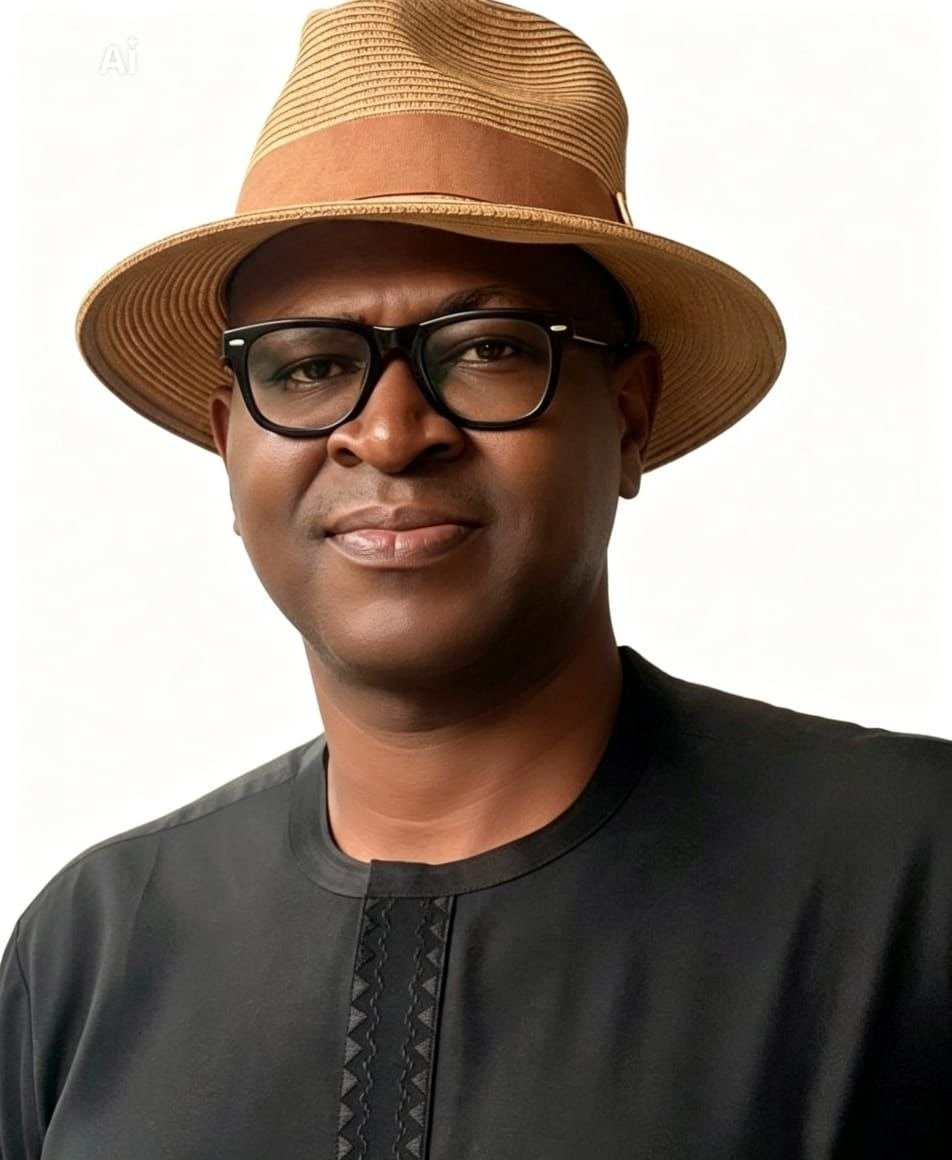
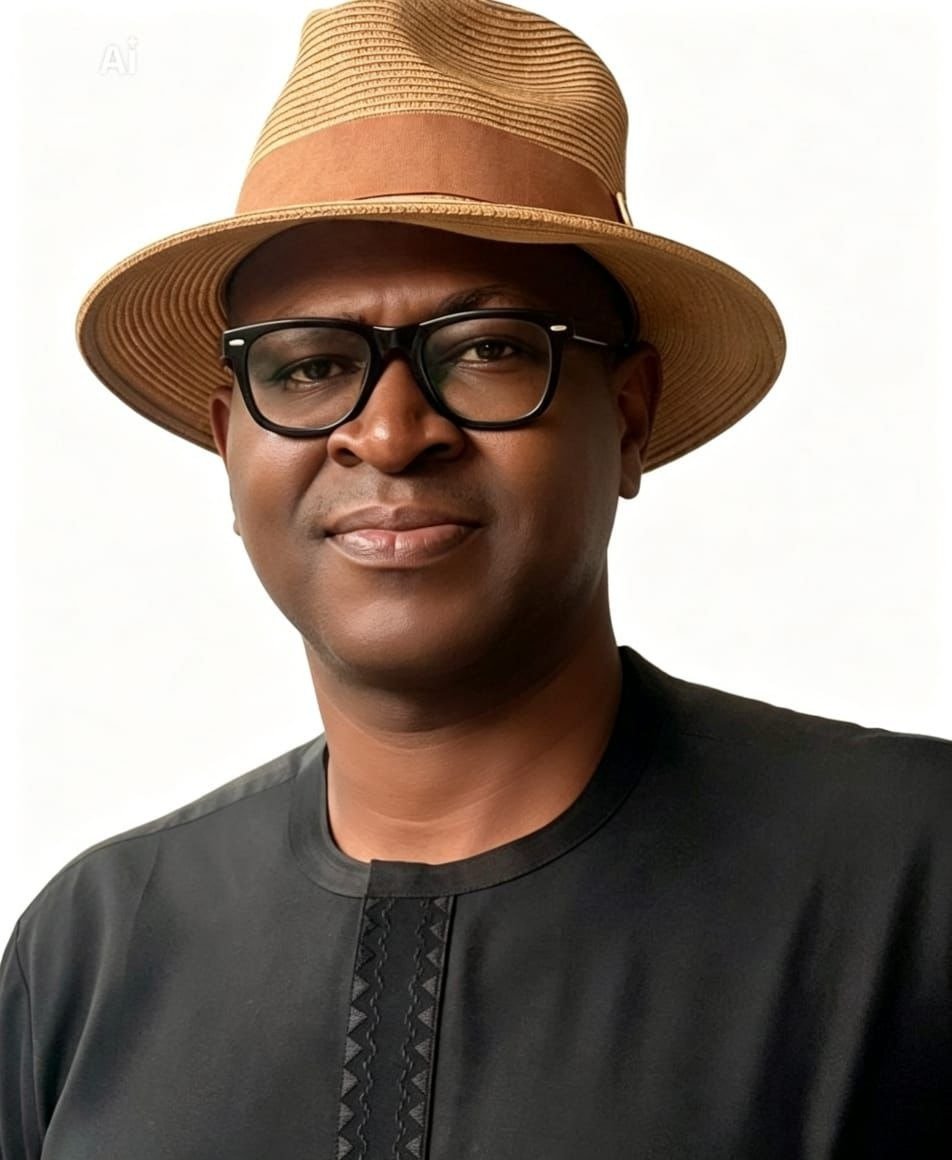
Masah Emmanuel Ikus is a Power and Energy Infrastructure Strategist and the Principal Consulting Partner at EMI Resources Limited. A University of Lagos-trained Electrical Engineer with an EMBA from Lagos Business School, he possesses over 27 years of experience managing complex infrastructure projects across the ICT, Oil & Gas, and Power sectors, specialising in the design of decentralised power systems and solar integration. He currently advises investors, project sponsors, and public institutions on leveraging Nigeria’s energy deficit into bankable commercial opportunities. He can be contacted via masahikus@gmail.com