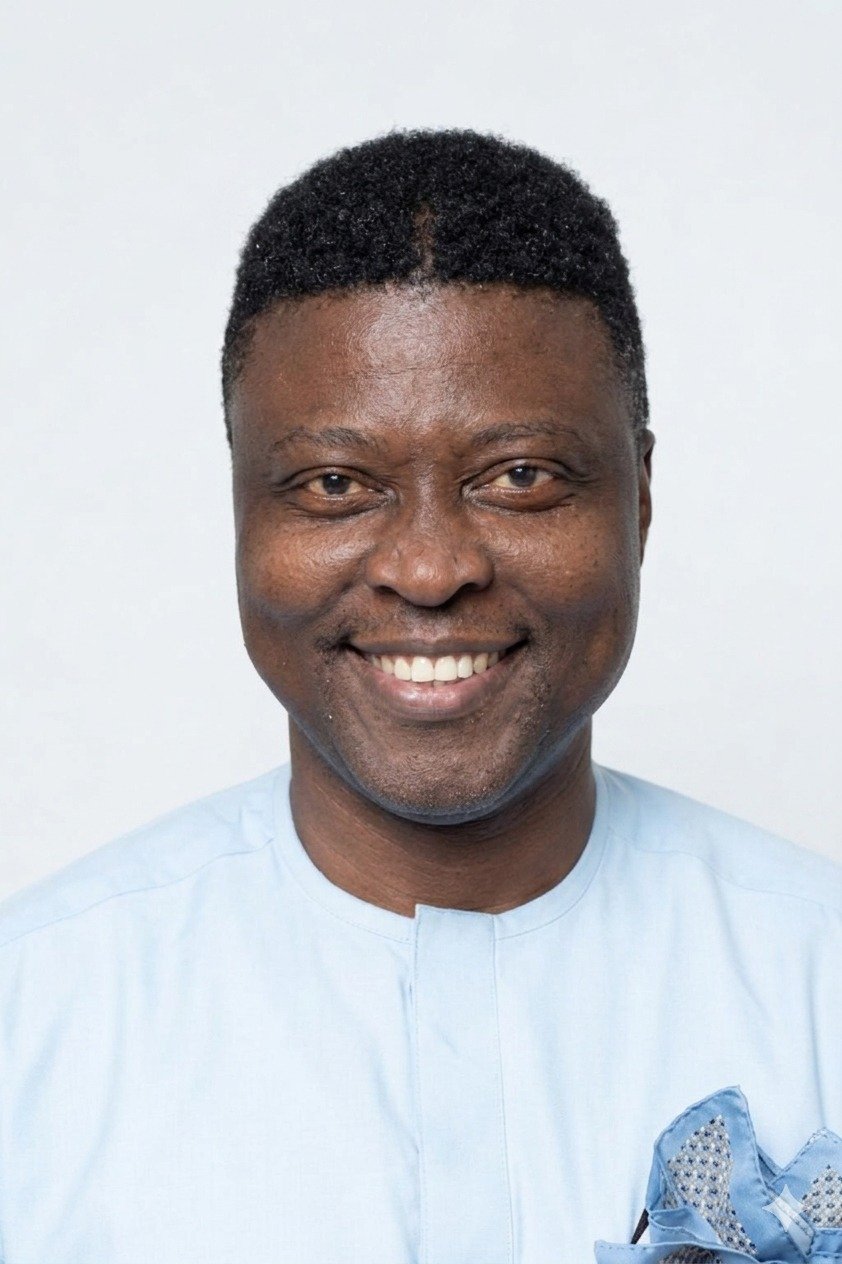
“The highest form of leadership is creating a seat at the table for someone who thought they would never belong.” — Awesome
As an economic immigrant, I have experienced both valleys and peaks — and I don’t just mean that in the metaphorical sense that business leaders love to reach for. I mean it literally. As a mountaineer, I’ve had the privilege of summiting all three of Cape Town’s iconic peaks: Devil’s Peak, Lion’s Head, and Table Mountain.
There is something transformative about climbing a mountain that every business leader should experience at least once. Every ascent teaches patience. Every steep, unglamorous section tests resilience long before the view rewards you for it. And every summit offers something most boardrooms forget to ask for: perspective.
The higher you climb, the further you can see.
Leadership in business works exactly the same way. The higher our position, our title, our equity stake, or our market influence, the greater our responsibility becomes — not merely to see further than our competitors, but to see people more clearly. Our teams. Our customers. The talent pipeline we so often reduce to a spreadsheet.
A story for every executive’s reading list
Recently, I came across the story of a migrant named Imagbe, whose life was transformed when he was given an opportunity to belong. Through the application of law, compassion, and human dignity, Italy offered him not just documentation or legal status, but something a business should recognise instantly as valuable: the experience of being welcomed into a system designed to help him succeed.
This is not simply a migration story. It is a leadership case study. And for anyone running a company, a department, or a team this morning, it raises a sharp question: What responsibility comes with influence?
Leadership is stewardship, not status
In business, it’s easy to mistake leadership for power — for the corner office, the larger budget, the louder voice in the room. But the leaders whose companies actually outlast a single product cycle understand something different: leadership is stewardship.
Stewardship asks uncomfortable questions before quarterly results do:
- Who benefits from your influence?
- Who feels safer because you’re in the room?
- Who has a genuine shot at promotion because you chose to advocate for them?
The true measure of a leader isn’t how many people report to them. It’s how many people are able to rise because of them.
Every executive eventually reaches a table of influence. The real test isn’t whether you get there — credentials and timing often handle that part. The test is what you build once you arrive. Do you build a bigger table? Or a higher wall around it?
Behind every label is a business outcome
Modern organisations are fluent in labels: headcount, attrition risk, high-potential talent, customer churn. Useful shorthand — but dangerous when it replaces the human story underneath.
Behind every “new hire” is a person trying to prove they belong.
Behind every “underperformer” is often someone who has never been shown they’re valued.
Behind every “difficult client” is usually a human being who doesn’t feel heard.
As a Human Flourishing Specialist, I’ve learned that belonging isn’t a soft HR initiative — it’s a performance driver. People do better work where they feel seen. Engagement scores, retention rates, and innovation output all move when employees stop performing for survival and start contributing because they feel they matter. The data backs the sentiment: psychologically safe teams consistently outperform fearful ones on creativity and output.
Human + Kind = Humankind
It’s a simple equation, but business too often treats kindness as a competitive disadvantage. The evidence says otherwise. Small acts of inclusion build retention. Small acts of trust build discretionary effort. Small acts of courage from leadership build culture that survives a downturn.
Kindness is not weakness. In a competitive market, it’s a strategy.
4 questions for your Monday leadership meeting
- Who is missing from your table? Audit your leadership pipeline. Who has the talent but not the access?
- Are you leading through fear or belonging? Fear produces short-term compliance. Belonging produces long-term commitment — and better numbers.
- What does your influence make possible for others? Every policy, every hire, every promotion decision either expands or shrinks someone else’s possibility.
- How human is your leadership, really? Strategy and execution matter. But leadership without humanity becomes transactional, and transactional cultures don’t retain talent in a tight market.
The bottom line
The world doesn’t need fewer leaders. It needs more human ones — leaders who understand that influence creates responsibility, and that the most durable competitive advantage any organisation has is a culture where people want to stay and grow.
Because ultimately, business leadership isn’t about how high you climb the org chart.
It’s about how many people you help climb with you.
- business a.m. commits to publishing a diversity of views, opinions and comments. It, therefore, welcomes your reaction to this and any of our articles via email: comment@businessamlive.com

Dr. Joshua Awesome is a Coaching Psychologist/Executive and Business Performance Coach who has supported over 100,000 professionals across Africa and the globe. He can be reached via: joshua@africainmind.org