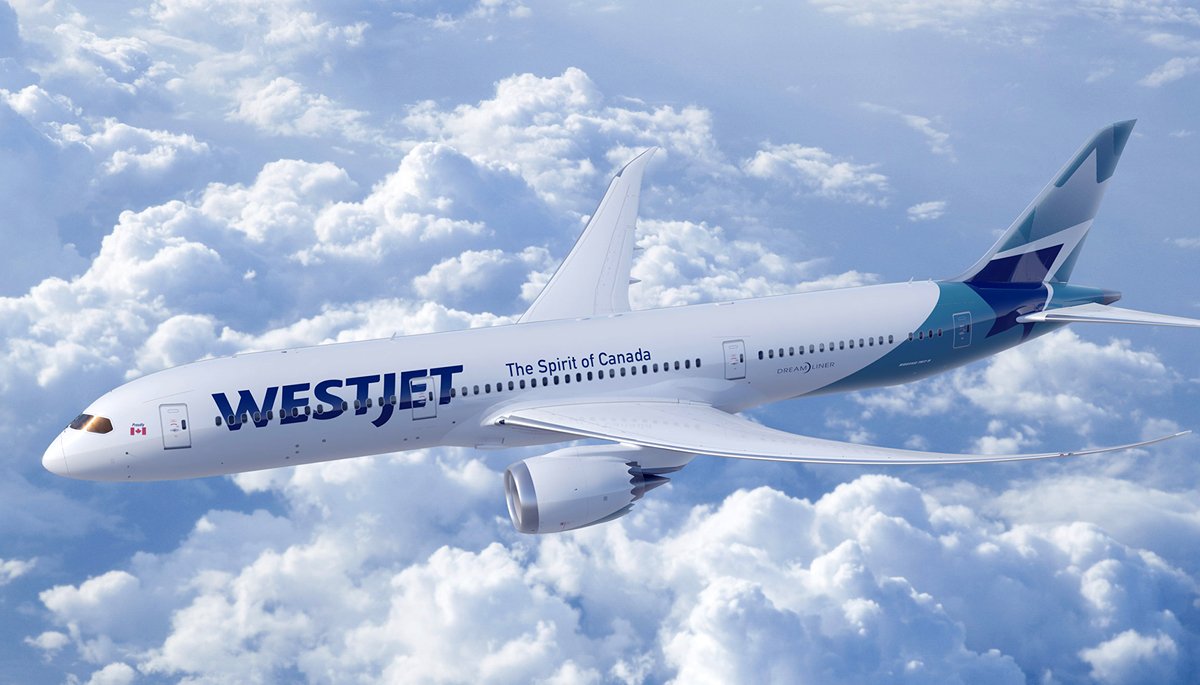
WestJet has increased checked baggage fees for passengers, marking its third price hike in as many years as airlines face rising operating costs driven by global fuel pressures.
The new charges, effective for reservations booked from April 23, 2026, will see travellers paying at the airport incur an additional $10 for both first and second checked bags. Those who prepay will face a smaller increase of $5 per bag.
Under the revised pricing structure, passengers on ultra-basic fares within Canada will now pay between $60 and $93 for a first checked bag, and $75 to $111 for a second, depending on payment timing. Standard economy travellers will pay between $45 and $81 for the first bag, and $60 to $99 for the second.
The recent adjustments apply to excess, overweight, and oversized luggage, where fees have risen by as much as $50, pushing the cost of an overweight bag to as high as $168 in some cases.
In a statement, the airline attributed the increase to broader industry trends and “impacts from current global conditions,” signalling continued cost pressures across the aviation sector.
The move comes amid a wave of fare adjustments by global carriers. Air Canada recently raised baggage fees for economy basic passengers, increasing first-bag charges from $35 to $45 and second-bag fees from $50 to $60 across several routes, including North America and the Caribbean.
Similarly, Air Transat has begun cutting flight capacity—reducing operations by about six percent, as rising jet fuel prices erode margins. European carrier Lufthansa has also announced plans to cut approximately 20,000 flights through October.
At the core of the cost surge is a sharp rise in jet fuel prices, linked to escalating geopolitical tensions in the Middle East, particularly disruptions around the Strait of Hormuz. The supply shock has forced airlines to reassess pricing, capacity, and route strategies in real time.
Beyond baggage fees, carriers including WestJet and Air Canada have introduced or adjusted fuel surcharges on select routes and vacation packages, further raising the total cost of air travel.
Industry analysts warn that the combined effect of higher ancillary charges and reduced flight availability is likely to sustain elevated ticket prices into the peak summer travel season.
Travel experts say consumers should brace for continued increases, as airlines balance demand recovery with mounting input costs. With fuel accounting for a significant share of airline expenses, the sector’s pricing trajectory will remain closely tied to developments in global energy markets.