Every July, South Africa pauses for Nelson Mandela Month, building toward 18 July, International Nelson Mandela Day. The date was formally recognised by the United Nations while Madiba was still alive, and his final birthday celebration at ninety-five reminded the world that a life’s true measure is not length but legacy.
Fifteen years ago, I was one of three South Africans chosen for a symbolic ascent of Mount Kilimanjaro in Mandela’s honour. A public-private partnership between my organisation and the City of Ekurhuleni made the climb possible. It was meant to embody sacrifice, unity and service, values Mandela spent his life teaching.
Many people know that story. Few know what happened on the mountain.
I have stayed quiet about it for years, because time reveals what emotion often hides. Reflecting on painful experiences, rather than making public accusations, is how we turn them into something useful.
Before the climb began, small signs of entitlement showed up in one team member. At the time they seemed minor. But in behavioural science, small behaviours are often early signals of deeper psychological patterns, and what looks trivial in calm conditions tends to grow under pressure.
Kilimanjaro strips away pretence. At altitude there is little room for performance. Fatigue, fear, uncertainty and discomfort expose who a person really is. The mountain does not build character; it uncovers it.
As the climb went on, those early signs hardened into open conflict, and tension eventually broke into a confrontation that changed the whole dynamic of the expedition. An experienced American mountaineer witnessed the exchange and later spoke privately to one of those involved.
Her words have stayed with me for fifteen years. She praised the person who calmly refused to be treated as lesser simply because someone else believed themselves more important.
Sometimes affirmation comes from people with nothing at stake. Leadership is often seen most clearly by outsiders who have no personal interest in the outcome.
One other memory has lingered. An NGO on the expedition had reportedly received forty thousand rand meant for sanitary products for vulnerable girls. As far as I know, there has never been public accounting of that money. The amount is not what stayed with me. The silence did.
Leadership survives on accountability. Without transparency, trust cannot take root.
Some may ask why I tell this now, so long after it happened. The answer lies in the present.
Recent waves of xenophobic violence against fellow Africans in South Africa have pushed me to reconsider what I once treated as an isolated conflict. I now wonder whether such episodes are symptoms of a deeper, unresolved collective wound.
Trauma rarely stays confined to individuals. It settles into organisations, communities, even national identities. Left unprocessed, it surfaces as fear, suspicion, exclusion, territorial thinking, and a quiet need to feel superior to others.
Yet South Africa’s own freedom story tells a different tale. Apartheid was not defeated by South Africans alone; the struggle was carried by an entire continent’s solidarity. African nations opened their borders, offered sanctuary, gave diplomatic support and made real sacrifices so freedom could come.
Nelson Mandela understood that liberation has always been a collective achievement. Ubuntu was never meant to stop at a national border.
Looking back, I see I held an unusual position throughout the Kilimanjaro project. I was both an insider and outsider. I helped build the partnership between government and civil society that made the expedition possible, yet moments reminded me I was seen differently.
Bridges are rarely destinations; they exist so others can cross them. That may be one lesson of my working life: not every bridge is appreciated by those who cross it, but bridges remain necessary all the same.
In time, differences in values led me to step back from those involved. It was not bitterness but stewardship. Sound leadership sometimes means leaving spaces where integrity and values no longer align.
Mandela often reminded us that reconciliation does not mean abandoning truth. Truth and reconciliation belong together, not one instead of the other.
Writing this during Mandela Month is not an attempt to reopen old wounds. Every mountain teaches lessons that outlast its summit, and the highest peak I reached was never Uhuru Peak. It was coming to understand that leadership without humility curdles into entitlement, that partnerships without accountability stay fragile, and that nations without healing risk repeating the very wounds they once fought so hard to overcome.
Four lessons stay with me. Stress does not create character, it reveals patterns already present. Unresolved trauma often shows up as entitlement or exclusion, protective habits that healing can only begin to loosen once they are named. Trust needs accountability, not just good intentions, because transparency is what makes people feel safe. And belonging is a leadership practice: Mandela’s Ubuntu was never about standing above others, but about helping others stand.
Perhaps our truest tribute to Madiba is not repeating his words but examining our own hearts. Freedom is political and psychological. Healing is individual and collective. And leadership, in the end, is measured not by who stands above others, but by who helps others rise.
- business a.m. commits to publishing a diversity of views, opinions and comments. It, therefore, welcomes your reaction to this and any of our articles via email: comment@businessamlive.com

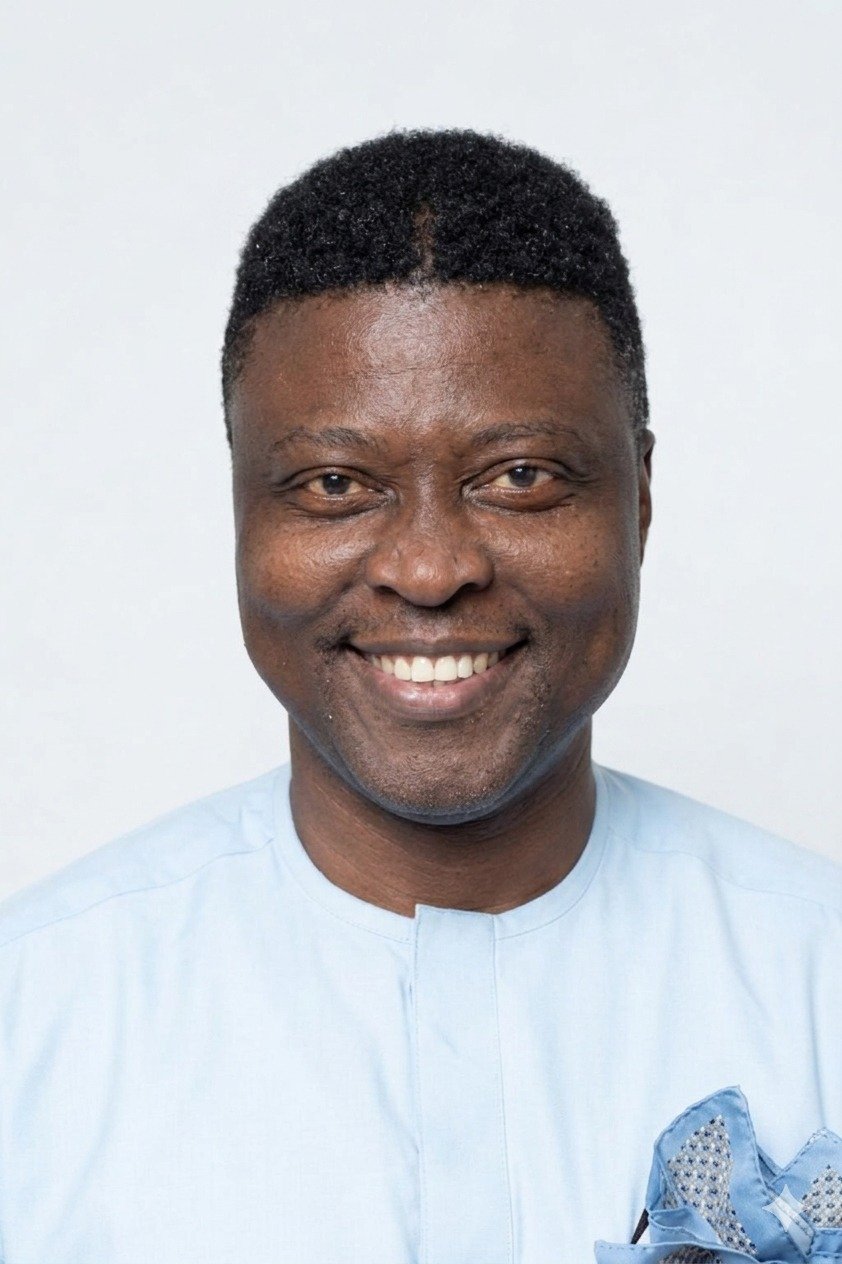
Dr. Joshua Awesome is a Coaching Psychologist/Executive and Business Performance Coach who has supported over 100,000 professionals across Africa and the globe. He can be reached via: joshua@africainmind.org