Oluwadarasimi Omiyale
The federal government is stepping up the implementation of public-private partnership (PPP) concessions across Nigeria’s aviation infrastructure, as it moves to deepen private sector participation in airport development and reduce dependence on public funding for major capital projects.
The push, led by the Ministry of Aviation and Aerospace Development, reflects a policy direction in which the government is increasingly relying on long-term concession agreements to finance, upgrade and operate critical transport infrastructure, particularly airports and terminals.
Public-private partnership concessions in Nigeria are not new, but they have become more prominent in recent years as the government seeks to close large infrastructure funding gaps. While earlier concession frameworks date back to reforms introduced in the mid-2000s, the current phase is being driven by efforts to attract private capital into transport, energy and logistics assets.
At its core, an airport concession is an arrangement where the government retains ownership of airport infrastructure but grants private operators the right to manage, upgrade and generate revenue from specified facilities for a defined period. In return, concessionaires commit capital investment and operational expertise while operating under regulatory oversight.
The Federal Airports Authority of Nigeria (FAAN) mentioned that limited public funding has made private sector participation necessary to modernise airport terminals and improve service delivery across the country’s aviation network.
Under the current framework, concession arrangements are expected to focus on terminal operations and commercial assets such as retail spaces, parking facilities, advertising, and hospitality services, while the government retains control of airside operations including runways, security and air traffic systems.
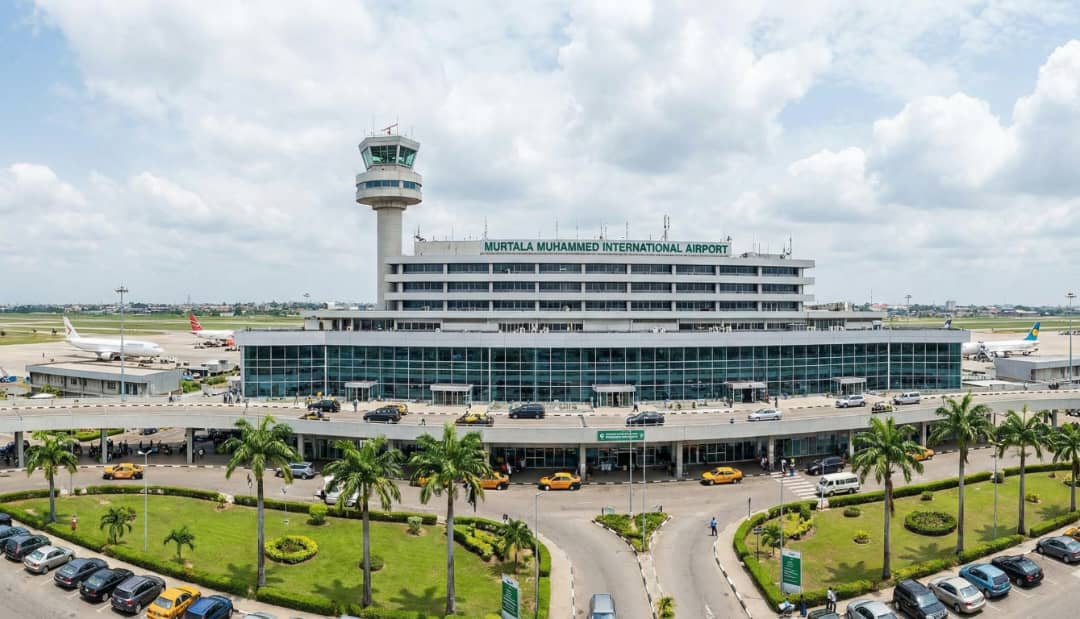
Major airports under consideration or already linked to concession discussions include the Murtala Muhammed International Airport, Lagos; Nnamdi Azikiwe International Airport, Abuja; Mallam Aminu Kano International Airport; Port Harcourt International Airport; and the Akanu Ibiam International Airport, Enugu, where a 30-year concession agreement has been executed to support redevelopment efforts.
In Enugu, the concession is expected to strengthen regional aviation capacity and attract private investment into airport infrastructure, while serving as a reference point for similar arrangements in other parts of the country.
Government officials say the major objective is to reposition airports as commercially viable infrastructure hubs capable of generating significant non-aeronautical revenue from retail operations, logistics services, real estate development and passenger-facing commercial activities.
ALSO : Aircraft leasing emerges as aviation sector’s primary financing tool
Globally, airports have increasingly shifted towards this model, with non-flight revenue streams often accounting for a significant share of total airport earnings. Nigeria’s policy direction indicates a similar attempt to diversify revenue sources while improving efficiency and passenger experience.
The Infrastructure Concession Regulatory Commission (ICRC) has maintained that PPP arrangements remain central to Nigeria’s infrastructure strategy, particularly in transport, where funding requirements far exceed available government resources. Officials say the model is intended to unlock long-term investment while improving asset management and operational standards.
Recent policy actions also indicate a more structured approach to concession management, following years of disputes and delays in previous agreements. The federal government has continued to review concession frameworks across sectors, including aviation and road infrastructure, in a bid to improve transparency and investor confidence.
A major reference point in the aviation sector remains the long-running dispute over the Murtala Muhammed Airport Terminal Two (MMA2) in Lagos, which has shaped ongoing discussions around concession design, legal enforcement and contract clarity in Nigeria’s aviation PPP framework.
Despite progress in policy development, the concession programme continues to generate debate among industry stakeholders, particularly labour unions and aviation workers’ groups who have raised concerns about job security, welfare protection and the structure of asset transfers to private operators.
There are also concerns around transparency in bidding processes, contract implementation and the need to ensure that concession agreements balance investor returns with public interest obligations, especially in strategic national infrastructure.
Officials mentioned that well-structured concessions remain one of the most viable pathways to addressing long-standing infrastructure deficits, improving airport efficiency and expanding capacity in line with rising passenger demand.
As Nigeria advances its PPP-driven infrastructure strategy, airport concessions are expected to remain a central feature of aviation reform, with implications not only for airport operations but also for aviation-linked sectors such as tourism, logistics, hospitality and trade.