
Saturday, October 10, 2026

Swedfund invests $20m to scale energy efficiency solutions in Africa
Swedfund, Sweden's development finance institution with the mission to reduce poverty through sustainable investments in developing countries, is providing a...
Read moreDetails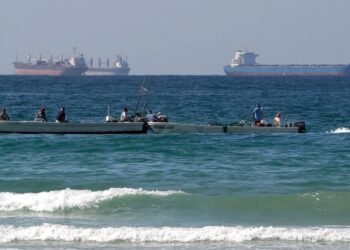
Group warns global households hit by ‘fossilflation’ over Hormuz closure
Households worldwide are paying the price of continued dependence on volatile fossil fuels following six months of the closure of...
Read moreDetails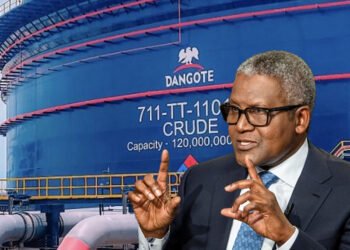
Dangote refinery warns imported petrol taking up 43% of Nigeria’s market
Dangote refinery has warned that despite its $20 billion facility producing more than enough petrol for domestic consumption, rising imports...
Read moreDetails
DisCos leave N669.5bn electricity bills unpaid in 2025
For every N100 worth of electricity billed to customers last year, Nigeria’s electricity distribution companies collected only N77.60, leaving N22.40...
Read moreDetails
$21bn Bonga southwest project clears major hurdle as NNPC, partners sign PSC addenda
The federal government’s latest deepwater fiscal reforms have cleared a major commercial hurdle for the proposed Bonga Southwest/Aparo (BSWAp) project,...
Read moreDetails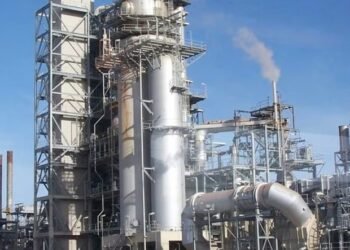
Dangote’s proposed $17bn Kenya refinery faces fresh challenge as Lamu youths, community leaders demand 70% of jobs
• Youth unemployment hits above 60% • High public debt Aliko Dangote's proposed $17 billion (or Ksh2.2 trillion) mega refinery and...
Read moreDetails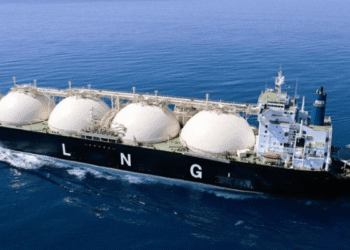
Global oil traders brace up for extended oil, LNG squeeze as hope fades for Iran war resolution
• Global oil supply to fall 4.3mbpd full year - IEA says • Energy crunch to deepen as conflict drags...
Read moreDetails
Nigeria’s oil revenue squeezed as 236,500bpd goes to debt deals
Crude prices above $90 a barrel may offer Nigeria a stronger revenue opportunity, but the country’s ability to capture that...
Read moreDetails
Oil firms face host community reckoning as HostComm 2027 opens new debate
Host-community development is entering a new phase in which compliance alone may no longer be enough, with investors and oil...
Read moreDetails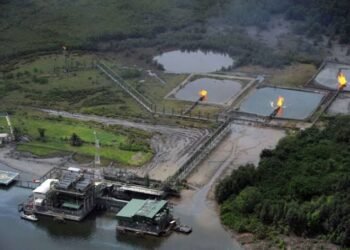
Only resolution of OML 11 long-standing shut-in can guarantee Ogoni oil resumption – Yamaabana, youth leader
• Demands youth inclusion • With 33 distinct oil/gas fields, has capacity for 500,000 bpd Only a careful resolution of...
Read moreDetails





BusinessAMLive (businessamlive.com) is a leading online business news and information platform focused on providing timely, insightful and comprehensive coverage of economic, financial, and business developments in Nigeria, Africa and around the world.